
Article
Waiting to be Told
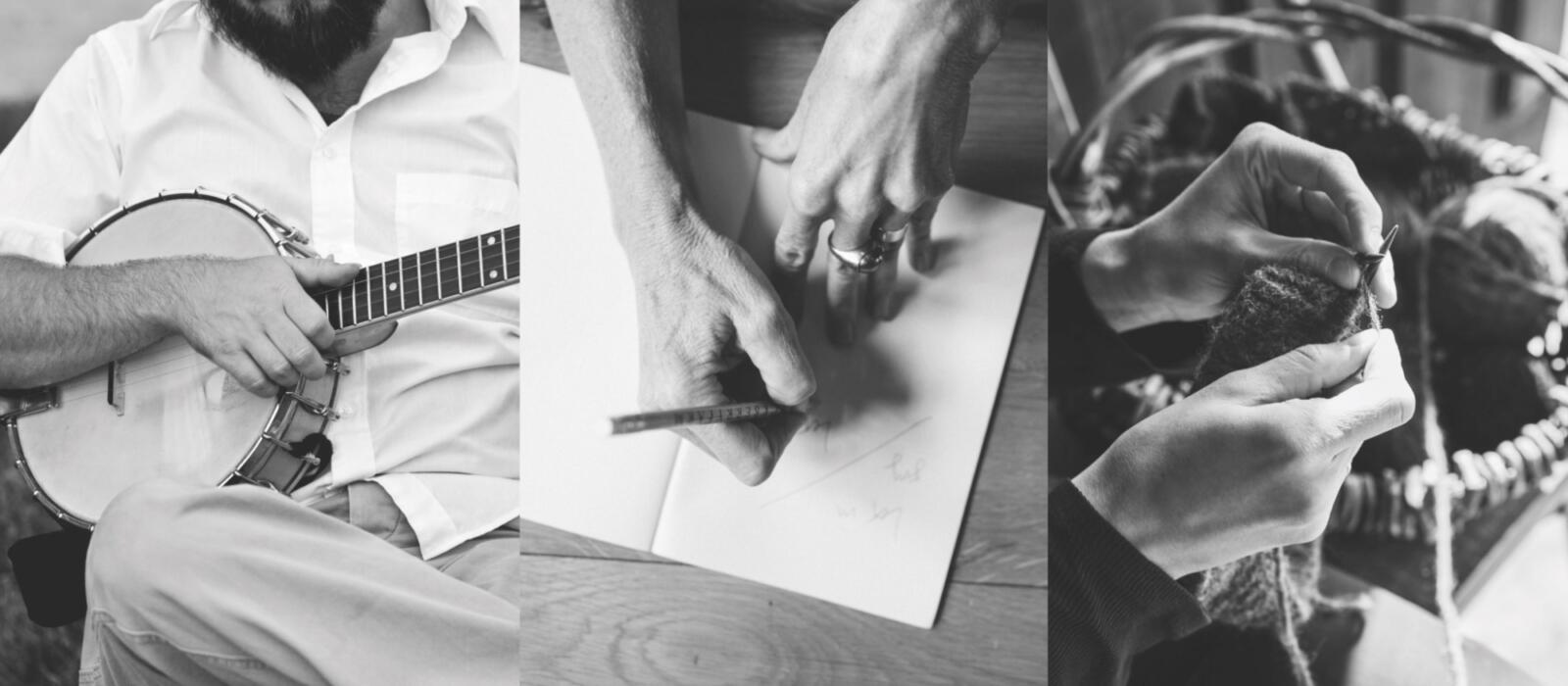
In the heart of Appalachia, where mountains cradle the sun and time marches to the rhythm of fiddles and banjos, stories are more than words – they are manna. Here, people are raised on front porches, somewhere between creaking rocking chairs and the aroma of sweet tea and honeysuckle, with stories handed down like heirlooms. Long before television flickered into living rooms, the front porch was the stage, the storyteller the star, the crickets our first applause and the audience made up of wide-eyed children and nostalgic elders.
Storytelling in Appalachia is not a hobby – it’s a heritage. It’s how wisdom is passed, how laughter is shared, how grief finds a voice and how the memory of those who’ve gone before us lives on. Every tale told is a thread in the great mountain tapestry, tying generations together across time. These are the stories that shape us, that echo through hollers and valleys, shout from ridges and remind us who we are and where we come from. In Appalachia, to tell a story is to keep someone alive – and that kind of legacy never dies.
Storytelling here is a thread that sews generations together – every tale stitched with laughter, hardship and hope. Storytellers, such as Ray Hicks, “The Grandfather of Appalachian Storytelling,” Bil Lepp, Granny Tollette, Donald Davis and Sheila Arnold, piece together their unique stories like a patchwork of memories for the future.
In the small town of Jonesborough, Tennessee, the annual International Storytelling Festival works to create a space where the stories that flow down from the mountains find a place to bring life to all who thirst for the past. Each mountain tale carries the weight of a thousand voices – all singing, crying and laughing through the performance of one storyteller. The tradition of standing on the back of a trailer bed filled with hay becomes the desired platform to convey the words that found their truth in the mouths of those who spoke, screamed and pleaded their case. Words that create the region we built our homes and faith upon.
Storytellers, like children’s literature author Carmen Deedy, have explored storytelling throughout their lives, diving deeper into the power a great narrative can have on an audience, no matter their age. Carmen explained there is a science behind storytelling. The teller and the listener become connected, in a way, through a phenomenon known as neurolinking.
“Neurolinking happens when one person is telling a story, and the listeners are all following, and the two begin to become neurologically linked. It’s part of something called an empathy neuron. If I am telling a story, and you see my fingers crawling up my arm talking about the spider, suddenly, your shoulder twitches. That’s your empathy neuron, which means we are wired for empathy much more than anything else.”
That connection can happen in the fun of a children’s story or in the recounting of an impactful personal experience. Storyteller Dr. Ray Christian is known for telling stories of history and personal journey. “All my stories come from my life, which is the more difficult part of telling stories,” Ray said. “But you’re not being vulnerable if there isn’t a chance of people rejecting you.”
Performing and sharing stories formally for 13 years now, Ray says his time in the military really amped up his love for stories and the craft of sharing them. “In the Army, there are so many good storytellers because they come from so many different places. As a teenager joining the Army, I [felt like I] didn’t have any stories. It took a while to age into telling stories. Once I started teaching storytelling, I realized my students said the same thing. They would say they didn’t have any stories to tell. And I was like, ‘Yes you do!’ Young people have stories – they just must believe they do. Everyone has a story.”
Stories that are born in the Appalachian region aren’t merely told; they are experienced. They are the wind that we hear blowing through the 300-year-old oak tree on the campus of Tusculum University in Greeneville, Tennessee. They are familiar faces that adorn the walls of homes, schools and churches up and down Interstate 81. They are the rhymical patterns the rain makes on the tin roof of the home your great-grandparents raised your family in. And here, we don’t always measure time by a clock – often, it’s in the tales we listen to. Church happens after dad tells you the story of how his mom always made him iron his pants before Sunday school. Dinner is after Uncle Howard regales the family with his time in the service and in the mines. And bedtime is after the streetlights come on and the lightning bugs come out, drifting to sleep with the stories your mom tells you of growing up in a small Virginia town.
Stories are where we explain the unexplainable – God, ghosts and everything in between. Every storyteller carries a world in their pocket, some hard and some beautiful. History is found in the trees we climbed, the roads we walked and the bridges we built to connect our lives.
Somewhere, between tolling church bells, the rumble of thunder and the prayers that still live in every inch of these mountains, there is a story waiting to be told. And someplace, there is a storyteller ready to breathe this story into the hearts of all who are willing to listen.