
Article
The Emancipation of the American Palate
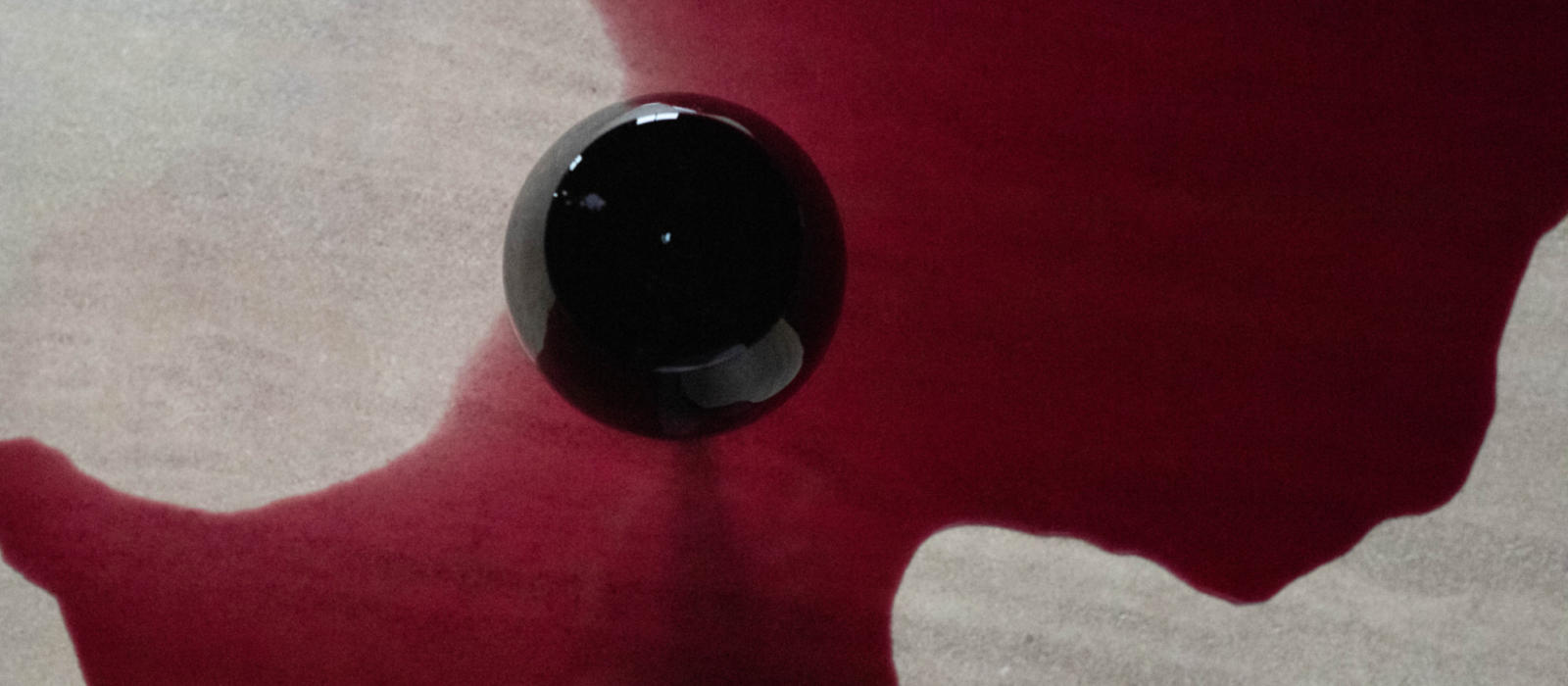
Cultural shifts happen in every facet of life, from the way we dress to the social issues we debate. Vintner Jasmine Hirsch sparked an idea for conversation during a podcast recording at Blackberry Farm where she touched on the changes happening in American wine culture – how we learn about wine and an ever-developing confidence in what we choose to consume.
Dynamic tension makes the world go round; it is also an essential component of great wine. To create wines of distinction, winemakers must find a balance between stressing the vines and nurturing them; between technique and terroir; between fruit and tannin; between youthful freshness and the complexity of age.
As Americans began to drink more wine in the 1980s and ’90s, wine was judged and parsed by just a few critics. Most Americans were new to wine, and the fierce complexity of this thousand-year-old beverage, with its accompanying societal anxieties, created insecurity. Confident critics were well-placed to establish their vinous omniscience.
This led to a loss of dynamic tension: All over the world, winemakers began to make the same kind of wine, aiming to please one or two critical palates. Big, bold reds and oaky, buttery whites became the norm, and winemakers did their utmost to erase the regional differences that make wine exciting and unique. This homogenization is still felt strongly in California wine – for example, 93 percent of northern California is planted to just eight grape varieties.1
Despite all this, over the last decade, we’ve seen the beginning of the liberation of the American palate. A variety of factors have contributed, but I believe the most important is the growing confidence of the American drinker. We’ve now had enough time and experience to determine what we like for ourselves. Our local wine shop or our friend’s opinion may carry as much if not more weight than that of Robert Parker’s. While we may still read the critics, we parse those reviews and compare them with our own experiences.
Let us continue this liberation. Own your own palate. Drink what makes you happy. God gave you one liver; use it how you please. The emancipation of the wine drinker means the winemaker can become free to make the wines that he or she believes in.
Great winemakers (and in this term, I include the winegrower) dance between dynamic opposites. Through that process, we as winemakers may be lucky enough to lose some of our ego and learn to abide in gratitude for what Mother Nature gives us each year.
As we embrace the seasons and find beauty in the expression of the vintage, our wines may change from year to year. Our wines may become more individual, less homogenous, more transparent to the land, less technique-driven. More honest, more effortless, less commercial, truer to our values as custodians of the soil. And always, one hopes, making the drinker happy. To quote Benjamin Franklin, “Wine is constant proof that God loves us and loves to see us happy.”
1 cabernet, chardonnay, pinot noir, syrah, merlot, sauvignon blanc, zinfandel and petite sirahby Jasmine Hirsch, Hirsch Vineyards
From the Enthusiasts
We asked wine personalities to share their thoughts on the shifting perspectives in wine culture today. Click below to see what each wine enthusiast had to say.
Click here to hear the Blackberry Podcast that inspired this article!