Story
How to Start Your Homesteading Journey
Homesteading is a self-sufficient means of producing food and other resources on a smaller, more personalized scale. Not only can you exercise more control over what you consume and when, but you’re also able to reduce waste by thoughtfully growing only what you need and engaging with homesteading practices that fit your lifestyle and circumstances.
Homesteading practices have been a popular conversation online – ranging from how to perfect your sourdough starter and what vegetables to plant this season to raising chickens at home – but it’s more than just a trend. It’s a way of strengthening your connection to the land around you.
Whether you live on the outskirts of a rural community surrounded by open land or in the heart of a city, homesteading can be made accessible. Learn more about how to get started with these first steps and beginner-friendly tips from Blackberry Farm Farmstead Director Christen Waddell!
Step 1: Decide what your goals are and how much effort you want to put into it.
What produce or animal products would you like to have? What is your purpose in homesteading? How much time, space and equipment do you want to invest initially?
Your scale could be anything from small container gardens on a back porch with herbs and cherry tomatoes to several acres encompassing a variety of animal products, fruits, vegetables, preserves, wood, etc. It will depend on what you have available, what you are interested in pursuing and how much time you want to dedicate to homesteading.
Step 2: Contact local resources that can help you.
Your local soil conservation district, agricultural extension agents or the Natural Resources Conservation Service have experts that can help answer questions on how to use your property for homesteading and what resources are available to you. This can be especially beneficial for those pursuing a larger scale of homesteading.
Step 3: Plan out your space (especially if you're working with a limited area).
The more thoughtfully your homestead is laid out, the more you will be able to get out of it. From there, you're ready to get started!
Tips for Getting Started:
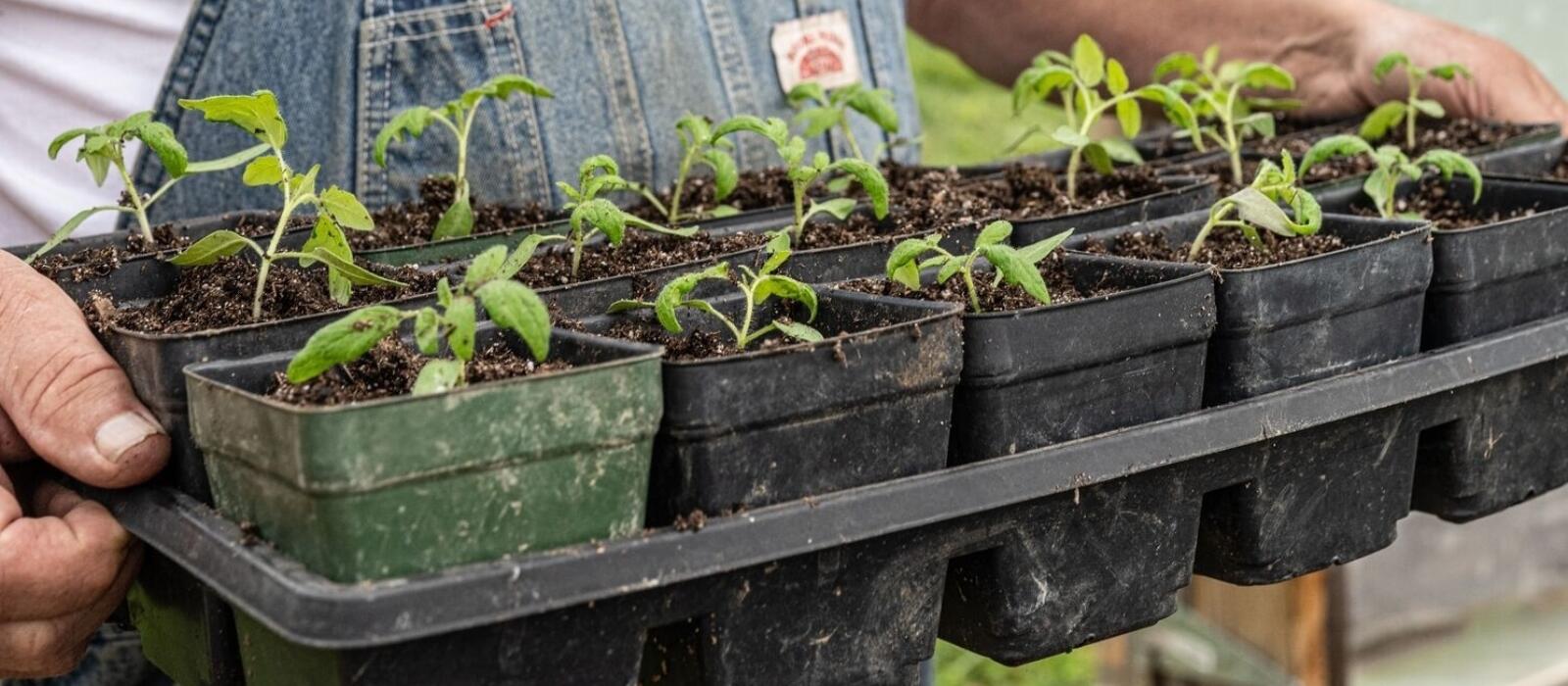
1. An annual vegetable garden is a great place to start and requires a lower level of initial cost. Just be ready to provide your plants with the soil quality, light levels and attention to watering and weeding that they need. I highly recommend growing edible flowers, which can be used for food production, drawing in pollinators, distracting pests and selling.
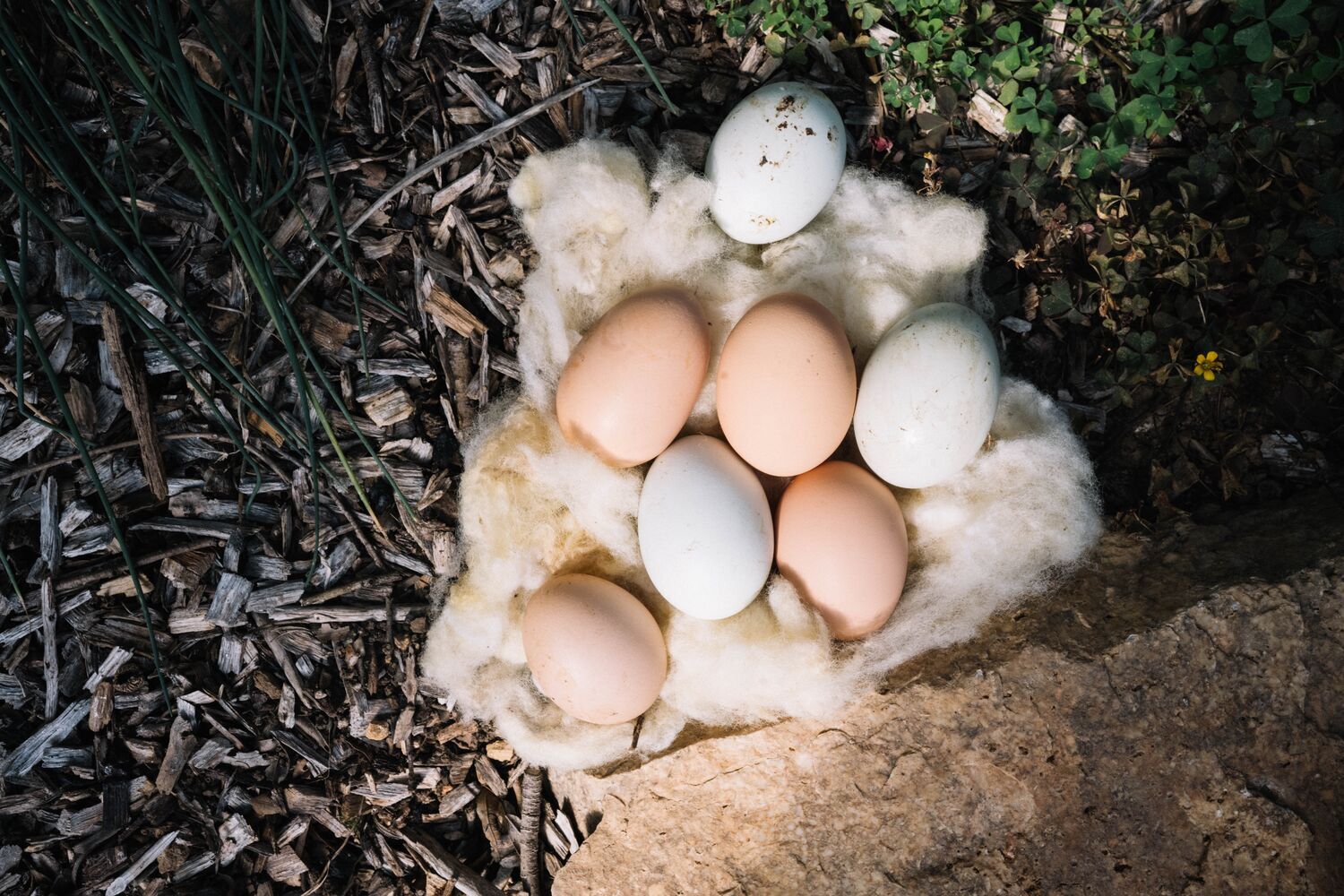
2. Chickens are another great option for getting started. Plan out how you will manage predators (fully enclosed area, guard animal, putting up at night, etc.) and whether you will give them a larger space or a smaller enclosure that can be moved around. Chickens can be utilized in the garden as well to the benefit of your vegetables and the chickens. Just make sure not to give them free access, or they will likely eat some of your produce.
I would suggest dual purpose heritage breeds of chickens, like Buff Orpingtons, that have good foraging skills, lay a lot of eggs and are large enough to provide a decent quantity of meat.
3. Fruit orchards can require a little bit more expertise than annual vegetables, especially when it comes to placement, pruning and disease management, but they still have an important place on a homestead. Integrating your orchard and row crops can be a great way to maximize space. For example, growing rows of leafy greens in between rows of fruit trees can provide shade and allow them to grow longer throughout the year.
4. Microgreens and mushrooms require a higher skill level and investment than some of the other options, but they can both be done inside an apartment and in very small spaces.
5. Small ruminants like sheep and goats can be a great homesteading option as well. They require more space and potentially more involved fencing than chickens, but considerably less than livestock like cows. Sheep and goats can both be used for milk, meat and fiber if you find the right breeds, and they are efficient foragers, eating some of the more weedy and less desirable plants than most cows will eat.
6. Incorporating preservation into your homestead program (like with canning and making cheese) can extend the amount of time you have your own food available.
7. Seed saving is a great way to reduce reliance on commercial industries.
8. Look for local restaurants, grocery stores, breweries and other places that might have food waste they can give you for compost or feeding your animals. This is often a free/affordable feed source and helps reduce waste in your community.