
Story
Feathered Friends of the Farmstead
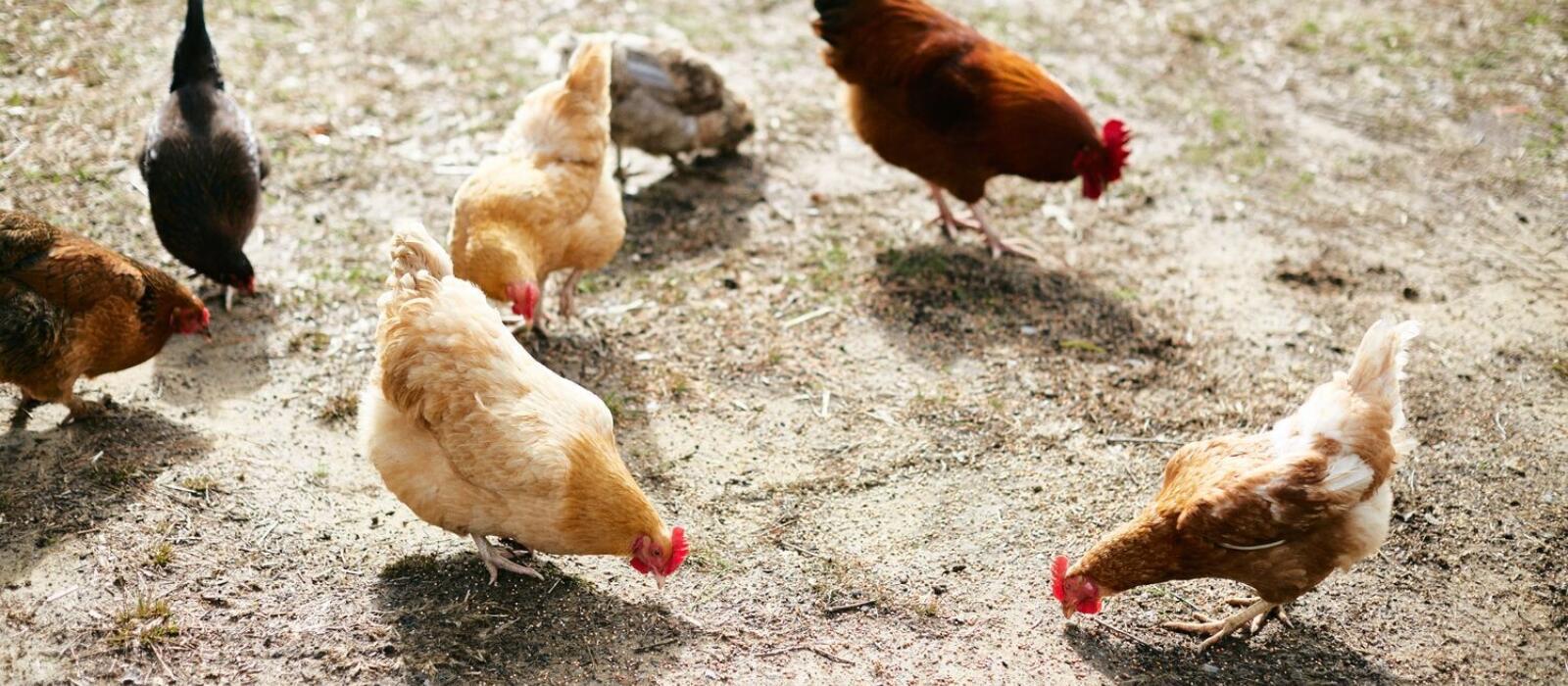
Whether they are providing eggs for the kitchen, eating pests that harm crops or simply being cute Farm residents, chickens are important members of the Farmstead.
There are currently around 50 to 60 chickens living at Blackberry Farm – the majority of which are housed by the Dairy Barn. As the Farmstead’s primary egg layers, these chickens produce a portion of the eggs used by the Farm’s chefs and provide teaching opportunities to guests on Farmstead tours. To keep the chickens safe as they roam the pastures throughout the day, they share the space with turkeys, which ward off predators. At night, the chickens return to their indoor coop.
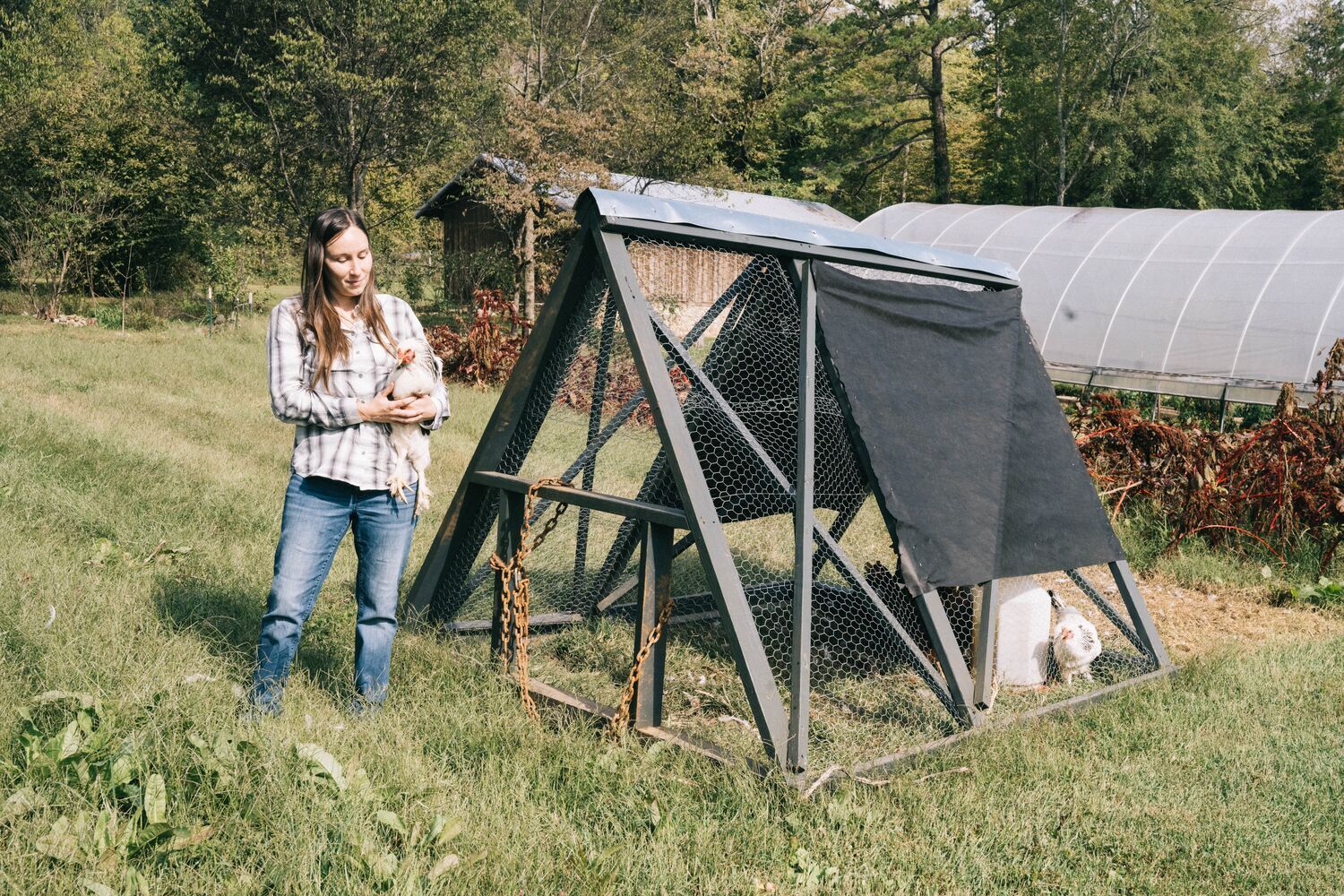
Around 10 chickens are raised in the Garden. While they lay a few eggs that are sent to the kitchens, their primary purpose is distinct from the Dairy Barn chickens. These chickens are placed in a mobile coop that gives them access to a concentrated section of land during the day. Like the Dairy Barn chickens, the Garden chickens are protected in an indoor coop overnight.
The Garden system is one that the Farmstead team first began experimenting with around four years ago. As of earlier this year, it was implemented permanently.
“Using chickens in the garden is obviously not new technology – farmers have been doing that for a long time, but then agriculture kind of went away from that,” says Farmstead Manager Christen Waddell. “Where you would have a farmer who had the livestock and the garden and all the things going on, now you have monocultures and farms that really just focus on one thing. It's been kind of a new movement to get livestock back into gardens and vice versa, but it’s a really sustainable way of farming and it gives a lot freer input to your system.”
The Farmstead team moves the mobile chicken coop around areas of the Garden where the season’s crops have just finished. Because chickens naturally love to scratch the ground and eat plants and bugs, they’re very effective at eliminating weeds and pests that would otherwise have to be removed by hand. With the coop being moved to different sections of the Garden almost every day, the chickens are constantly digging out new weeds by the root and consuming any seeds and grubs left behind that could negatively affect the next season’s crops. Additionally, chicken manure is a great natural fertilizer.
“As you grow vegetables and harvest them, you're taking nutrients out of the soil that have to be put back in in some way or another,” says Christen. “Normally, you might buy a fertilizer of some sort, or we have our compost that we'll put on. But a really fast and free way of doing it is the chicken manure. They're fertilizing that ground and getting it ready for next year's season.”
Mobile coops aren’t a new concept on farms, but the Farmstead team thought intentionally about the design they wanted to implement. The Joel Salatin-style chicken coop is often a go-to for farmers who wish to control the range of their chickens, but with a structure that is long and low to the ground with a flat top, the coop lacks height. To address this concern, the Farmstead team hand-built their own coop in a pyramid shape.
“I think being able to fly around, jump around and be normal chickens gets them into a more excited, scratchy mood,” says Christen.
All the chickens at Blackberry Farm are heritage breeds, which unlike most modern hybrid breeds, maintain a strong natural instinct to forage. This makes them the perfect chickens for controlled digging around the Garden and free ranging the Dairy Barn throughout the day. By being separated into two main groups, Blackberry Farm chickens offer different types of support to the Farmstead simply by exercising their natural instincts.
Chickens aren’t the only animals that help us around the Farm! Click here for a photo gallery of more adorable friends who call Blackberry Farm home.