
Story
Water in Your Whiskey?
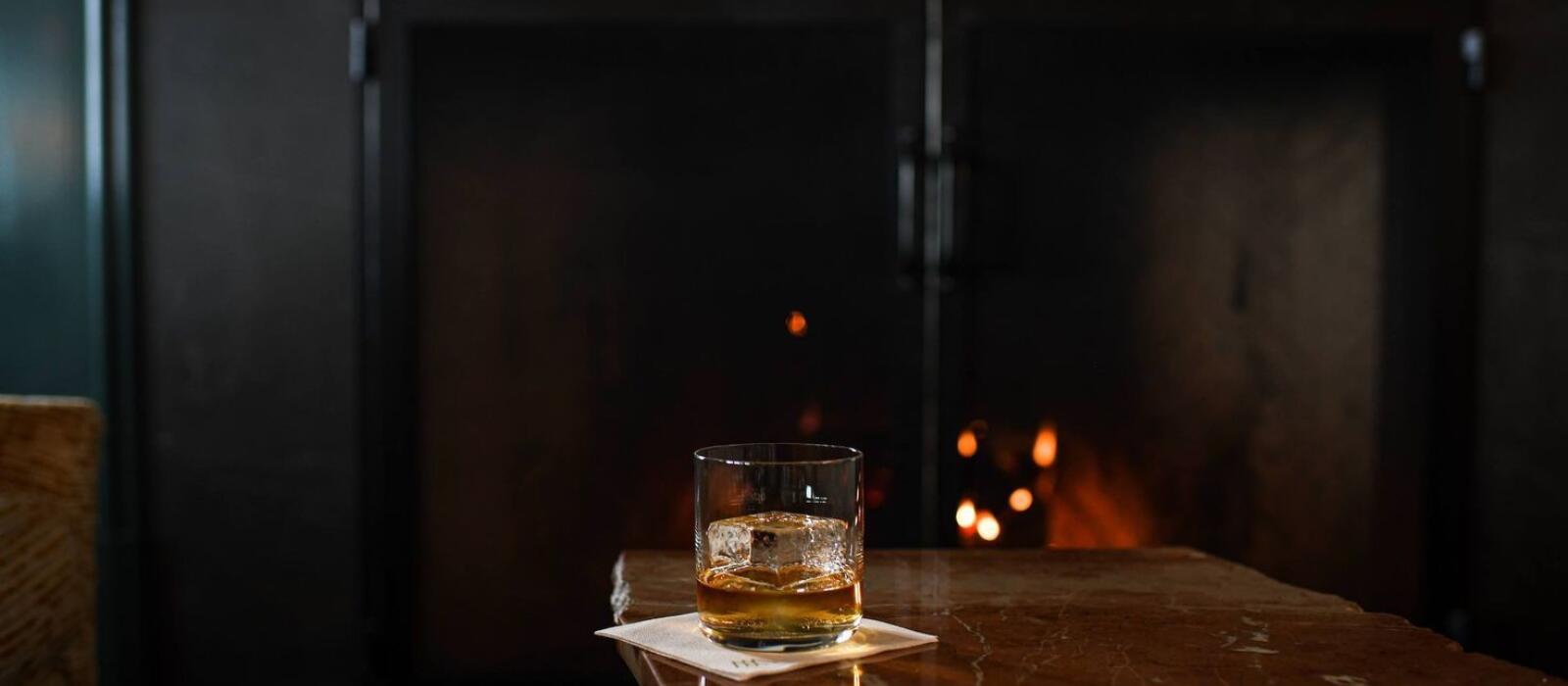
There’s always conversation in the beverage world about the best way to enjoy your drink. When it comes to whiskey, the conversation goes a little further than neat or on the rocks. Purposefully adding a little bit of water to your whiskey has the potentional to open up smells and tastes that you may otherwise miss – but it’s a delicate balance! Assistant Director of Food and Beverage Logan Griffin shares a little insight about when he suggests to add a few drops and how to avoid watering down your drink.
What does adding water to your whiskey actually do?
When you add water to your whiskey, you’re creating a chemical reaction. Sometimes those reactions turn out perfectly and sometimes they can go awry. Water acts as a catalyst for dilution in whiskey and helps with the release of secondary flavors and aromas that you might not taste nor smell without it.
Are there some whiskeys you like to add water to and others you don’t?
Generally, I like to add water to high proof whiskey. Examples of high proof whiskey that I love to add a couple drops of water to are George T. Stagg, Elijah Craig and Colonel EH Taylor. As far as whiskey that I don’t like to add water to, it’s often elegant rye whiskey or lower proof bourbon.
When we say “add water” we’re talking just a few drops depending on how much whiskey you have, right?
Yes! A few drops go a long way and really affects the flavor and aroma of the whiskey. In my opinion, bourbon and rye whiskeys benefit from fewer drops, while Scotch whisky can handle a couple extra drops.
Obviously the first job of ice is to cool a drink. But if someone is drinking their whiskey on the rocks, does it have the same effect as the ice melts into the liquor?
Yes. As the ice melts, it has the same effect as adding drops of water. That is why it’s important to be thoughtful when adding ice to your whiskey. Large ice cubes are optimal – they cool down the whiskey and slowly melt so you’re not over diluting your drink.