
Story
previously on farm stories
Spring Wine
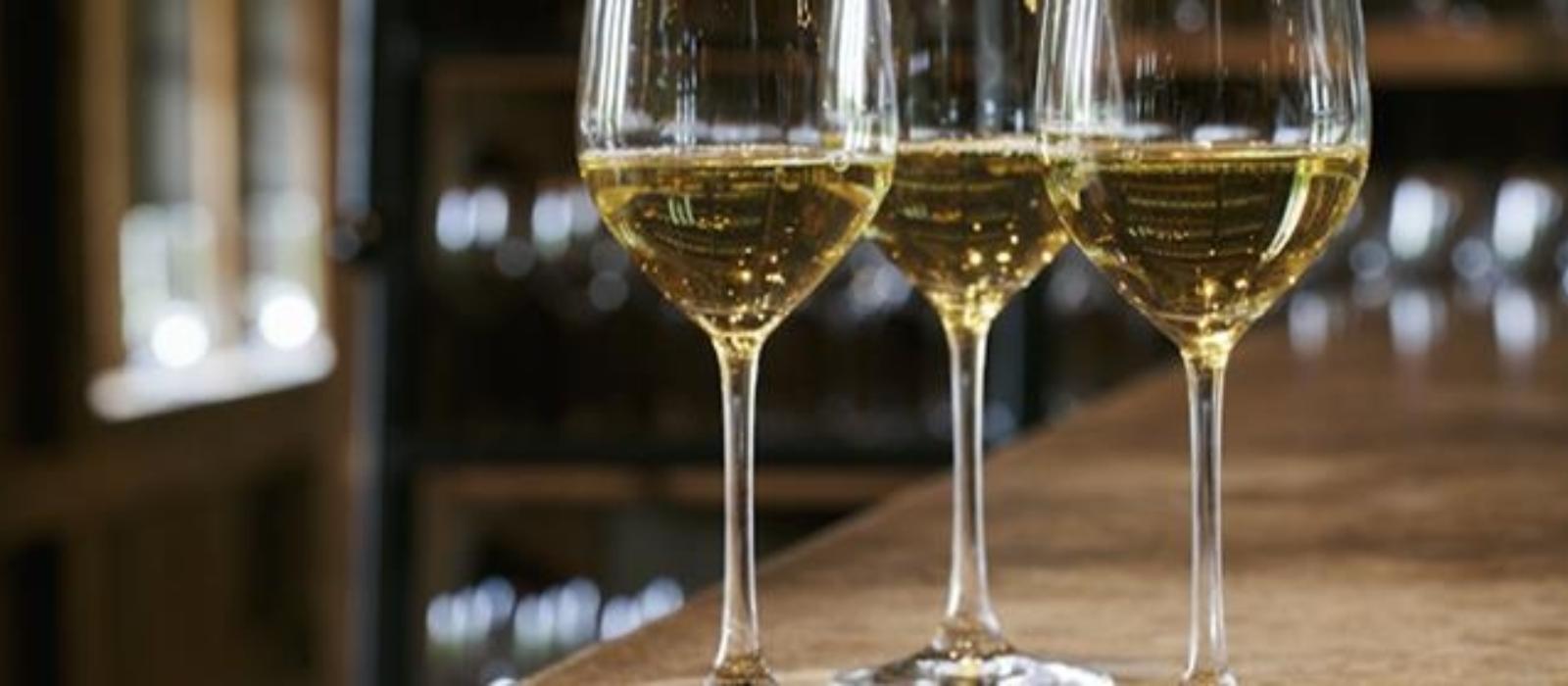
Spring has once again turned my attention to the fresh, zippy, dry wines of Germany and what a time to revisit these wines!
The reason I say that is that in 2012, a group of quality minded wine makers in Germany, the VdP, overhauled their vineyard and wine classification system to put more focus on the dry wines made from the very best vineyard sites. This is an overhaul of a system that was already in place but had gotten fractured and confusing.
Hopefully this overhaul will make it easier for the end consumer to know what they are getting and these wines are now on the market so it’s worth explaining.
First of all, this system mimics the vineyard rating system of Burgundy in which vineyards are rated based on the historic greatness of the vineyard (and some politics to be sure!). In Germany, the highest rating for a vineyard site by this group is Grosse Lage. Following that is Erste Lage, Ortswein and Gutswein. There are rules at each level but we’ll focus on the top tier.
If a producer owns a plot of a Grosse Lage Vineyard in Germany, they may make a Grosses Gewachs wine from that vineyard. To put it in English, if you own a grand cru site, you may make a single grand cru wine from that site (somewhat confusingly, they can make other wines from that site that aren’t called Grosses Gewachs)
The rules for this single Grosses Gewachs wine that they can make are that it needs to be dry in style, it can’t be released until September 1st of the year after the harvest and it also can’t read “Grosses Gewachs” anywhere on the label (remember this is a group of quality minded growers instituting these rules, not the government so they need to still bend to the labeling laws of their government). Instead look for a “1 with a grape cluster” either embossed on the bottle or written on the label. Also look for the letters “GG” or the letters “GC” somewhere on the bottle.
You also won’t see the familiar terms “Auslese”, Spatlese” or “Kabinett” on these bottles without which the hope is that the labels are easier to read. The labels will have the grape, the vineyard name and the symbols mentioned above to indicate its status as a dry wine from a great vineyard site.
It’s confusing right now, but please search out these wines. They are some of the finest examples of dry, mineral driven, expressive Riesling and they work so well with the verdant, green flavors of spring!
Andy Chabot
Director of Food & Beverage