
Story
Raining Colors
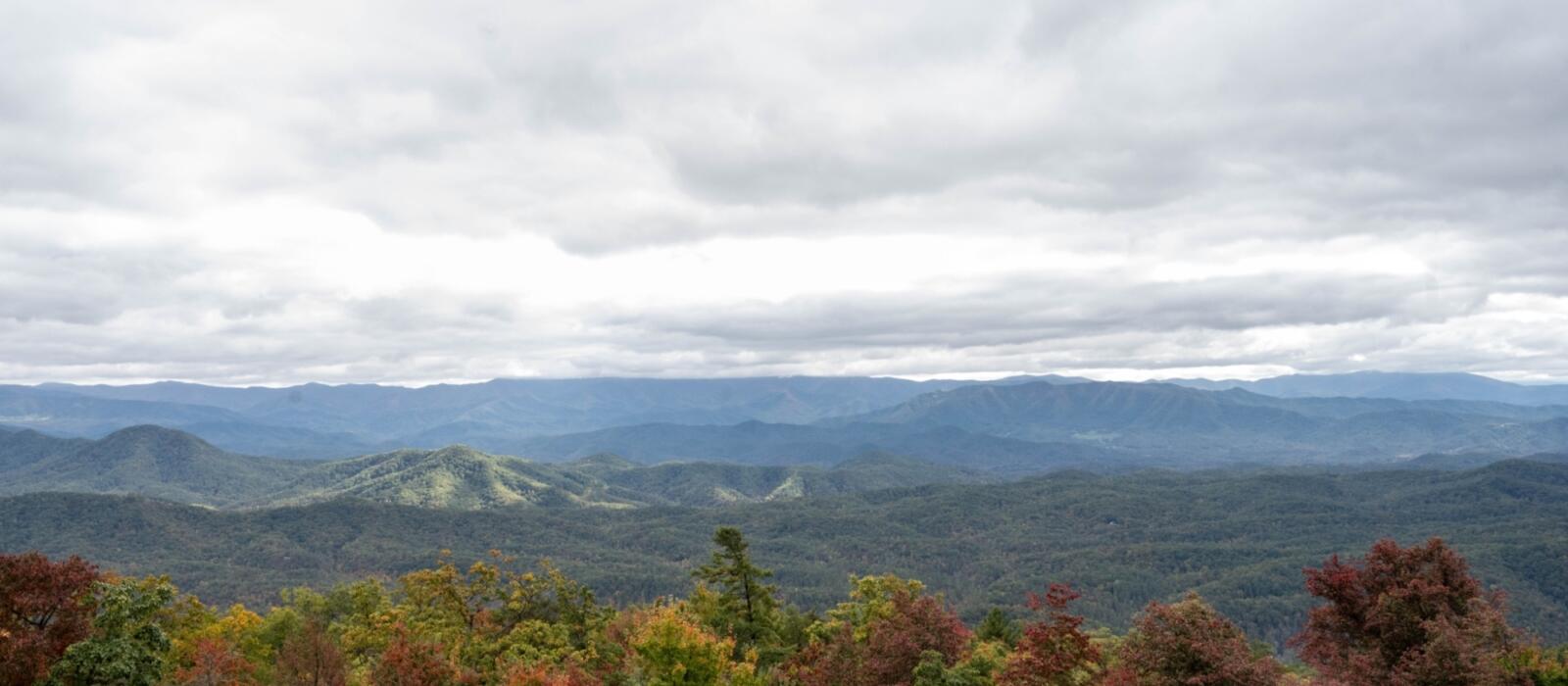
The colors of Fall are taking over as we move further into the heart of the season at Blackberry. It’s no secret that some years boast more beautiful leaf colors than others. Have you ever wondered what determines that variation?
The weather we experience in Summer sways the color patterns we’ll see in Fall. A brutally hot Summer, with little to no rainfall, delays the onset of the color changes for Fall, therefore what we look forward to as Fall foliage won’t appear for quite as long before falling to the ground and welcoming Winter. And when warmer Summer weather seeps into the early weeks of Fall, that impacts the color intensity making Fall leaves appear duller when they change.
For the perfect weather equation, we need a warm, wet Spring and an average Summer filled with comfortable sunny temperatures in the day and cooler temperatures at night. Then, Fall would show its appreciation for a gentle introduction into the new season with bright and beautiful Autumn leaves that last all season.
Pigmentation of Fall foliage also depends on sunshine, the trees themselves and how they process their sugar compounds. Without bright sunlight and comfortable temperatures, trees make less sugar, which means no bright pigmentation on their leaves. Carotenoid pigments make up the yellow and brown, whereas anthocyanins make up the red pigmentation in leaves. Believe it or not, orange pigmentations are always present in leaves, but truly shine through to be seen for the season once the green chlorophyll begins to break down during the transition from Summer to Fall.
We can always expect orange since its pigmentation is present in the leaves, and brown as the leaves fall for the season, but red and yellow pigmentation are the unpredictables. Red and yellow pigmentations are a response to light and chemical changes in the trees, then temperature and water supply are added to the mix. If days are warmer and nights are lower in temperature, the swift change will actually boost production of red and yellow pigment, and allow it to last longer through the season. Once frost begins to hit and warmer days are numbered, the colors are weakened until the leaves turn brown, beginning the Winter season.