
Story
previously on farm stories
Let Your Wine Breathe
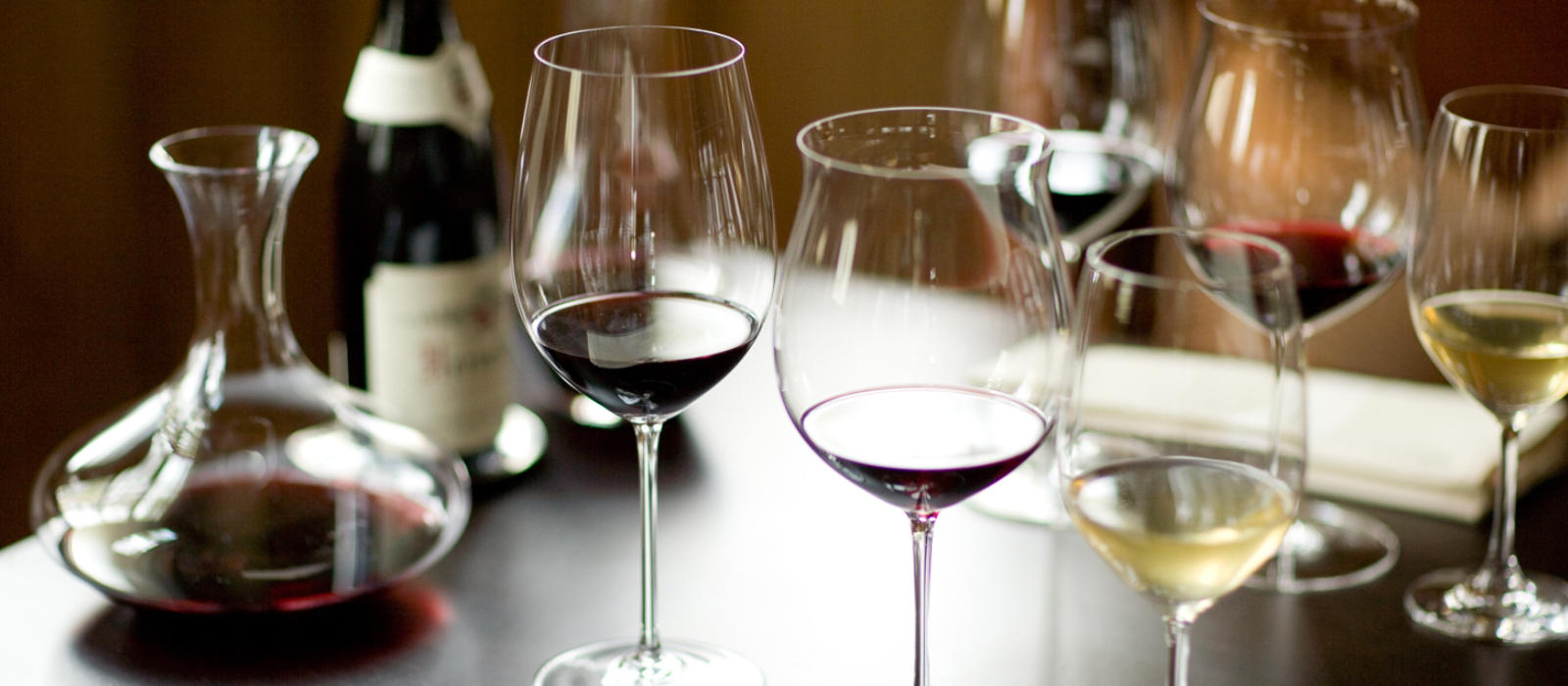
In the same way that taking a deep breath can bring about good feelings in us, allowing a wine to breathe can stir up the rich tasting notes the winemakerintended you to enjoy.
Wines are produced in an environment that has very little oxygen. When wines are made and bottled, often there are gases used to push out the oxygen toprevent the growth of bacteria. As a side effect, this process can subdue the fruit flavors in the wine. The effects wear off with time, just like otherpreservatives, but if you open a young wine, there is often still some of this present. Decanting forces the gas out and allows the fruit qualities inthe wine to be more present and noticeable.
Young wines, that is wines five years or younger, typically benefit best from the decanting process. I find this especially true in fruity, higher-tonedwines like Pinot Noir, Nebbiolo and Syrahs, but all young wines, even white wines, can benefit from breathing.
Decanting a wine allows it to go from being subdued and somewhat flavorless to being more aromatic and displaying the characteristics that the wine isusually known for. To decant a young wine, take the cork out, and pour it vigorously into a wider container. Containers made of glass or crystal work best,but you can use any vessel that is bigger than the bottle.
There is no rule for how long you should decant a young wine, but I suggest around one hour before enjoying.
Andy Chabot, Director of Food and Beverage