
Story
previously on farm stories
Goober Peas
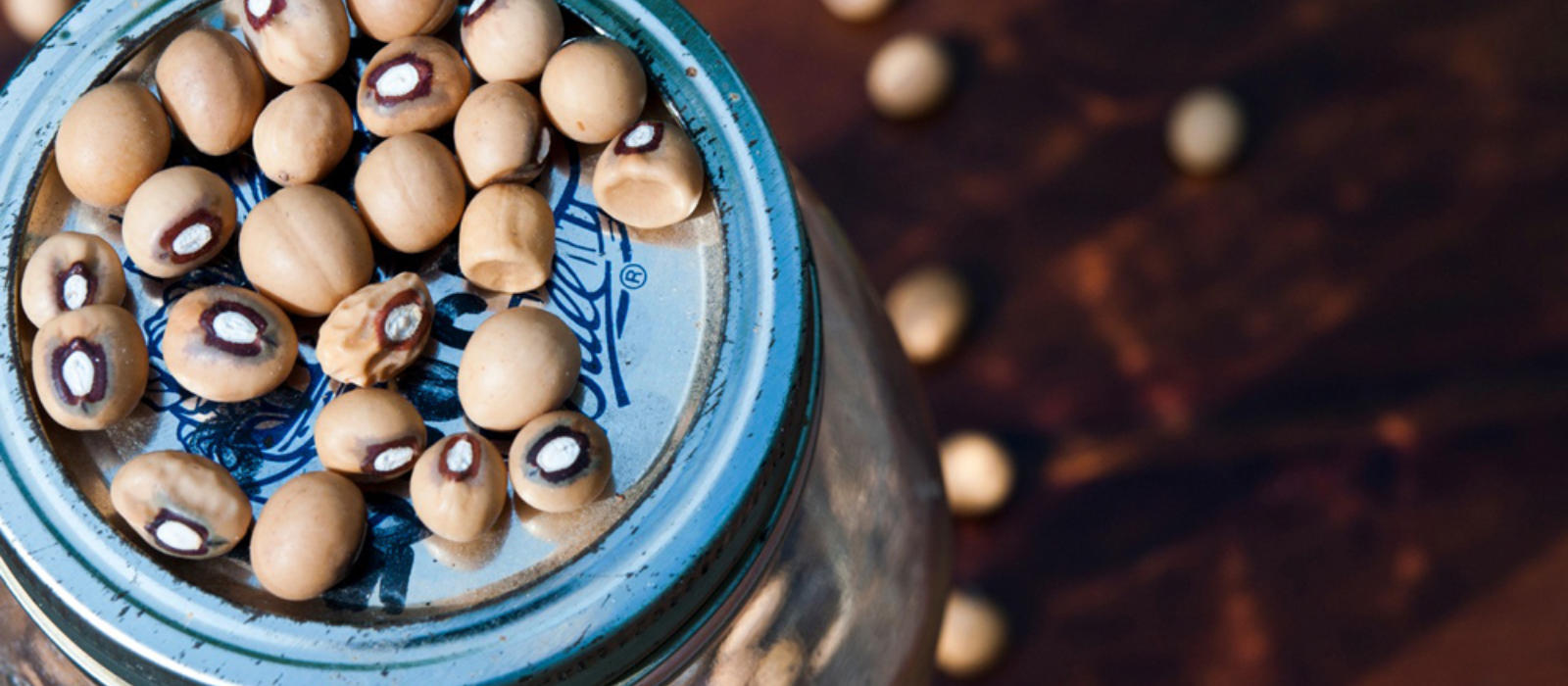
Goober Peas were a once commonly grown legume in the Deep South, and during the 1820s and 1830s were extensively grown on farms and plantations in the Deep South, especially along the coastal regions and barrier islands of Georgia and South Carolina.
Goober Peas, voandzeia subterranean, were brought to America in association with the slave trade. In some areas of Africa they are still commonly grown and are held in high regard in many African recipes such as goober peas stewed with guinea hen and served over rice.
Today Goobers are all but forgotten, even in the Deep South where they were once so well known. I only found two old friends in Washington Parish, Louisiana, who remembered goober peas being grown. One of them was Homer Graves, who recalled his neighbor Lucius Crain raising a small patch of goobers in 1930. He also remembered them being roasted on the fireplace hearth.
Goobers are a versatile legume. The tender leaves can be cooked and eaten as greens. The immature peas are good when shelled out fresh, and the mature peas are dried for Winter use. Goobers are also ground to make flour and can be pressed to make oil.
The growth habits of goobers are similar to those of peanuts, with the plants spreading over the ground up to 3 or 4 feet.
The plants send down numerous pegs which penetrate the soil and form thin shells containing from one to two peas.
Today at Blackberry Farm we are growing this historically important legume to help insure that it will survive to be passed on to future generations.
– John Coykendall, Master Gardener