
Story
An Insider’s Guide to Floral Design
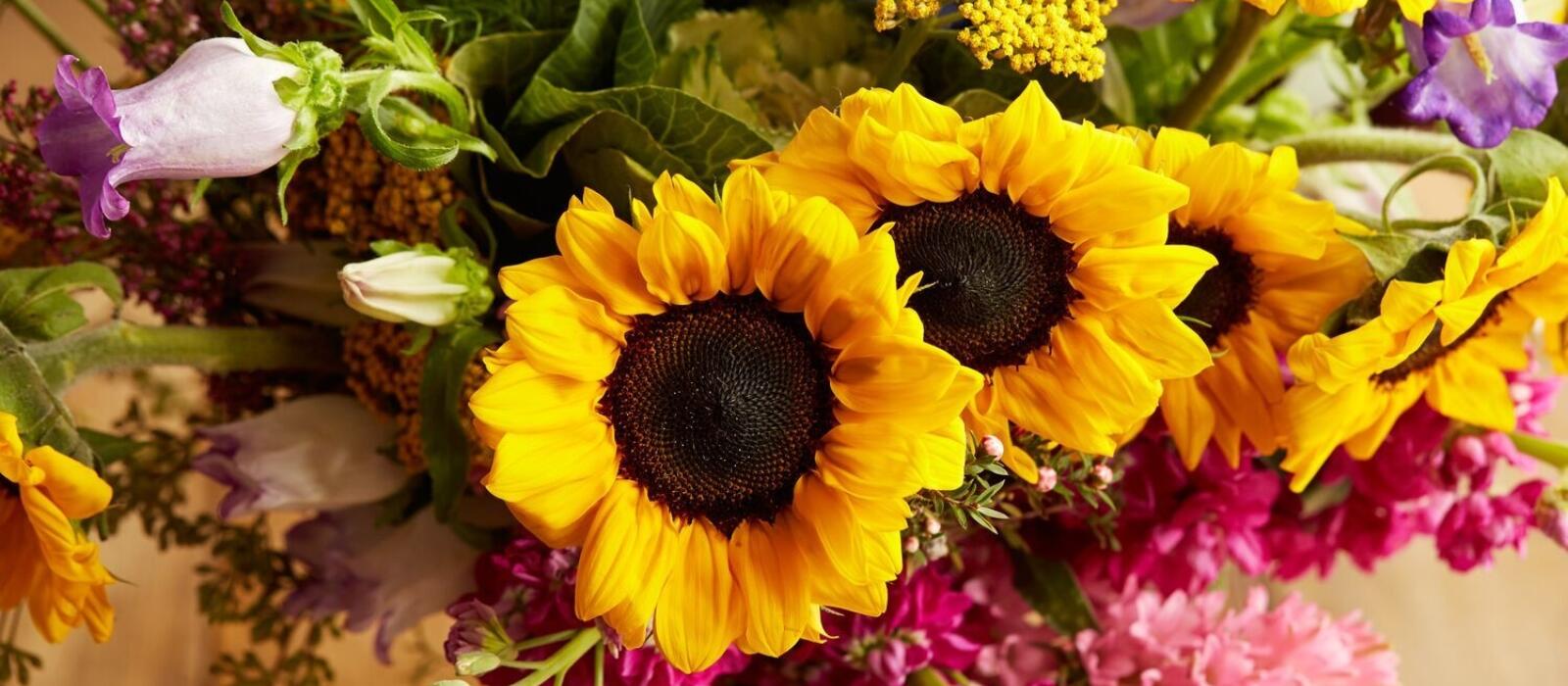
When creating a floral arrangement to help bring a space to life, the easiest place to start is often with color. The use of bold, vivid colors is a great way to quickly brighten up a space, but there are even more tools that floral designers experiment with to take an arrangement from beautiful to breathtaking.
In fact, one of the most important – and often overlooked – elements of floral design is how the arrangement fills the space, says Blackberry Farm Lead Floral Designer Haifaa Tirey.
“It’s not just about the flowers themselves, but how the arrangement fits in the room and in the vase or spot where it’s going,” she explains. “For example, if we’re making something for a dinner table where people will be talking, we try to keep it lower and not too full, so it doesn’t get in the way or make the table feel crowded. Even the shape can affect how people feel around it. A wide, low piece can feel open and relaxed, while something tall and full might feel more formal.”
Using the space the flowers will be in as a point of reference opens up the opportunity for additional design elements to shine through and transform the arrangement as a whole.
One element Haifaa likes to play with as a floral designer is texture. For instance, to make an arrangement feel light and airy, she will use flowers with softer textures and be sure to leave a bit of open space so the arrangement can “breathe.”
“Flowers like delphinium, ranunculus and sweet peas have soft textures or shimmery petals that naturally play with light,” she adds. “Placing these arrangements near a window or in a sunlit space feels especially magical. The way the flowers catch light and move gently with a breeze can make them appear as if they’re glowing or dancing.”
Scent is another element floral designers consider when crafting arrangements that make a statement. In the right setting, a bright fragrance can lift a room just as much as color can.
“At a dinner table, I stay away from strong-smelling flowers since they can clash with the food and may be overwhelming in that setting. But for places like an entryway or guest bathroom, I’ll often use more fragrant flowers like lilacs, hyacinths or garden roses to make the space feel extra welcoming,” Haifaa says.
Beyond flower selection, floral designers are also thoughtful about what the arrangement will be presented in. Glass vases can help accomplish a more minimalistic look and focus more attention on the flowers and their stems, while decorative pottery can add another layer of character to an arrangement.
“We also pay attention to how full the vase is,” Haifaa says. “Sometimes, the best designs are the ones that don’t fill the whole vase. We build the look based on how much space we want to leave. In the end, it’s not just how it looks, but how it feels that matters.”
Ultimately, the joy of floral design lies in letting each unique space and occasion be your guide. Have an open mind, and don’t be afraid to get creative with the natural elements you have available to you. Each arrangement you style is unique, adding a touch of color, scent, texture and personal style to the moment you’re enjoying.