Article
Saving More Than Seeds
photo by Becky Fluke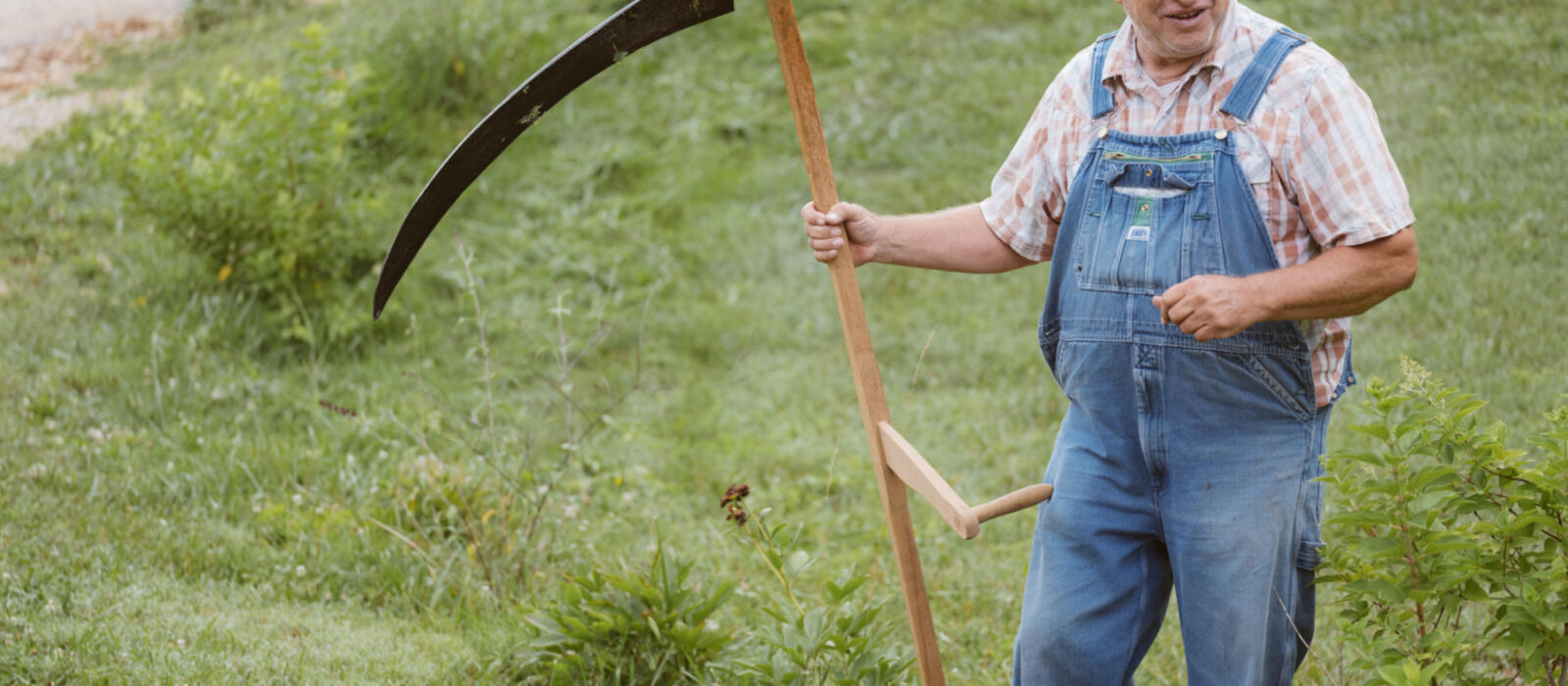
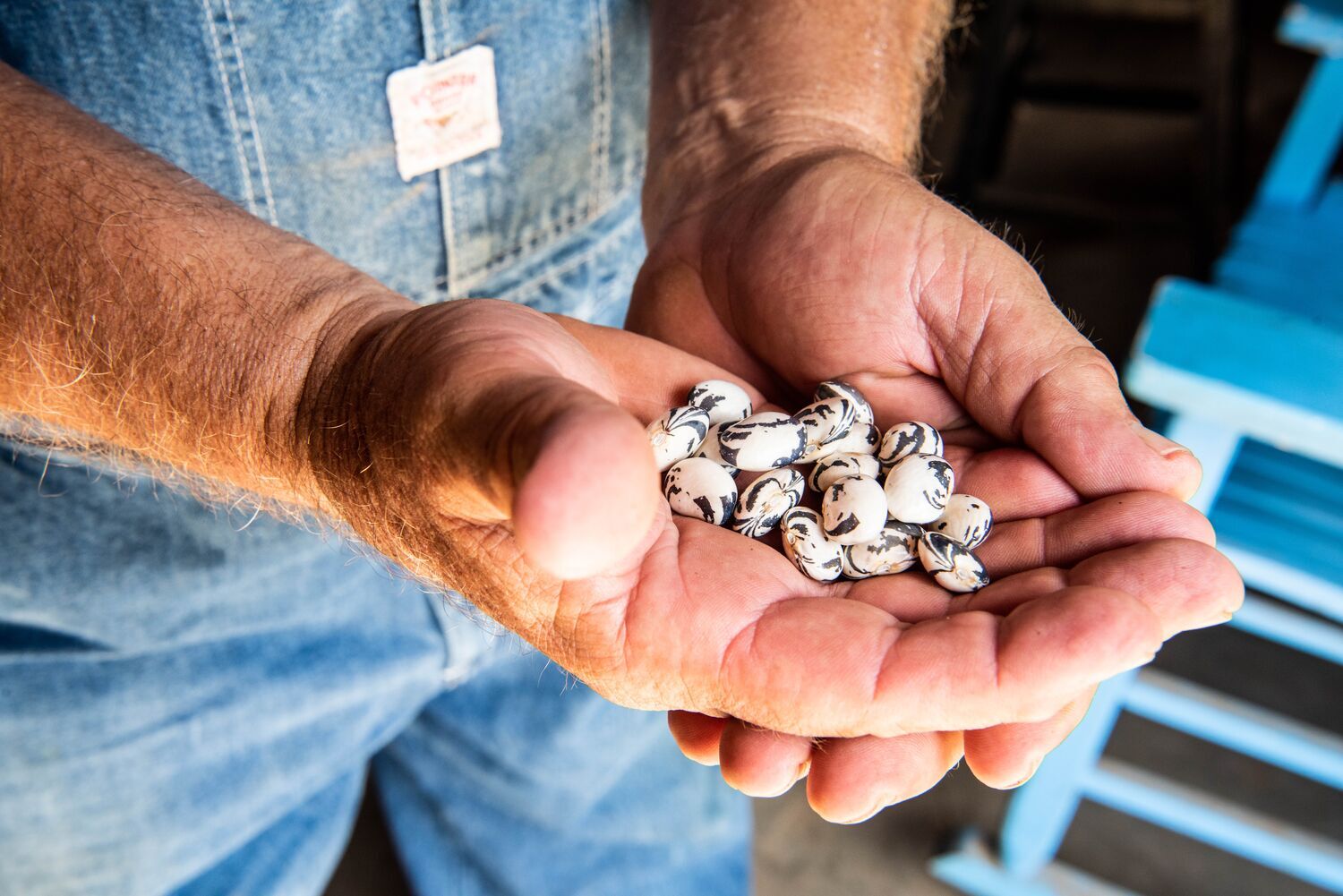
What is a seed? The genetic matter needed to produce a plant. All the nutritional needs of a sprout. A coat for protection. But a seed is also the story of a place. The creative expression of its soil. The tastes of its people. And the keys to its future. As a seed saver, master gardener John Coykendall knows seed in its many definitions and interpretations. He collects and conserves seeds of heirloom varieties – those at least 50 years old – of all types and from all places, but especially the heritage seed of Appalachia, one of the most biodiverse and seed-diverse regions in the world. How did Appalachia become so rich in diversity? It’s all about the landscape. Hundreds of mountains and valleys, coves and streams – they make a patchwork quilt that covers the southern Appalachian Mountains. Each of these patches is, ecologically, a microhabitat, where a species evolves to be distinct from another over the next hill. That’s biodiversity.
Similarly, within the same landscape, small farms and homesteads develop, growing out season after season of corn, tomatoes and beans, collecting the seed, and creating distinct varieties that develop unique traits, flavors and colors, each a little different from the neighbors’ crops. This is seed diversity. It’s thousands of distinct heritage varieties, each with its own story and name – and yes, its own genetics. Conservation of these diverse varieties and their genetics drives John and others’ efforts to save Appalachian seed now, but the original seed savers – those who were here, came here or were brought here – did so for survival. Families lived on what they could grow on small farms, rarely taking their produce to market. “They were seed savers by necessity,” John reminds us. “Every family had unique seeds that were passed down because they depended on them year after year for survival.” Survival through the practice of seed saving is as old as civilization – indeed, the reason ancient peoples ceased their wandering and put down roots. But in the mid 1900s, after the rise of industrialized agriculture, that practice was nearly lost, along with much of the seed diversity. According to the Seed Savers Exchange, which John has been a devoted member of since the mid 1970s, the world has lost 75 percent of its edible plant varieties over the past century. That loss of diversity means less resilient food systems – reduced biosecurity – and it also means less flavor.
“My biggest regret is that we didn’t start sooner to collect more seed worldwide before it was lost,” John says. “But we can’t worry about that now. We need to save what’s still around.”
Sustaining Memories
It’s a Saturday in August, and 25 or so heritage varieties of tomatoes, freshly picked, are scattered across a wooden farm table in Blackberry Farm’s garden. It’s tomato tasting time.
John sets down his hoe for the day and picks up three things instead: a cutting board, a serrated knife and a canister of sea salt. “The rest is up to your taste buds.”
Soon, juice drips from smiling faces. Eyes close. Minds focus on the sensory experience of taste. These are moments of pure revelation. “People are always amazed by the incredible wealth of flavors and colors of heritage tomatoes,” John says, noting the lack of variety and taste in grocery store tomatoes. That’s why he uses tomatoes in particular to get people hooked on the idea of seed saving.
Bringing that revelation from garden to plate is a chef’s mission, too, and the connection between gardener and chef builds a vital bridge in the seed saving movement, as more people experience flavor that is beyond their imagination, or exists only in their memory. Chefs and gardeners work symbiotically to bring flavors out of the ground, into the kitchen and onto the plate.
Glenn Roberts founded Anson Mills – artisan grains and fl ours that chefs obsess over – in pursuit of lost flavors that he remembered from childhood but could no longer find. Through searching for supposedly lost seed, he’s traveled the world to find flavors that many experts told him would never be recovered, among them ‘Carolina Gold’ rice. “When you give up and say something is lost, it probably is,” Glenn says. “If you keep looking for it, you’re probably going to find it.”
But finding flavor and keeping it are two different things. Based on personal experience, Glenn warns that it’s not enough to simply grow heirloom seed that’s been saved – you have to grow it the right way, or else you lose the flavor expression. That means not using synthetic fertilizers and instead relying on soil building, companion planting and crop rotation – all principles of sustainable agriculture. Glenn says he learned this lesson, in part, from John.
“That’s what we practice here: sustainable agriculture,” John emphasizes. “And for an agricultural practice to truly be sustainable, you have to focus on the soil. And you have to save seeds.” That means no hybrid seed, only heritage ones that, if sown in well-loved soil, will grow true to form and flavor, generation after generation. “A hybrid isn’t sustainable, because you can’t save it year after year and get the same results. You have to go back to the dealer the next year and pay again.”
The alchemy, then, is in the combination of seed and soil. And it tastes better than gold.
Not a Commodity
Long before talk of saving seeds emerged, sharing and swapping were how seeds were managed. That tradition is one of the reasons ‘monetization’ is such a dirty word among seed savers. The seed is for sharing, not profit. It hearkens back to a time when seed’s value transcended money, Glenn says. “Seed wasn’t monetized up until the Industrial Revolution. It was always traded. That’s how biosecurity happened.”
Survival, sustainability, biosecurity – they all come down to seed. And today, as in the past, these concerns bring a new wave of gardeners, farmers and seed savers to the table. Because beyond flavor, story of place and ancestral connection – all worthy pursuits – preserving seed diversity will also help us face climate change.
Varieties that evolved to thrive in the face of adversity such as drought, heat, cold and pests hold critical genetics within their seed – all the better if the varieties can face adversity and still bring us joy through flavor. A future worth tasting. Revelation on a plate.
That’s the reason to keep seeds in the hands of individuals and communities, John says. “We have to keep genetic diversity in the public domain. That’s a big part of the seed saving movement.”
What is a seed? It’s the circle of life. After more than 60 years of seed saving, John spends much of his time today teaching others about the “seed to seed” cycle of planting, growing and harvesting, not for the produce to eat but for the seed to save. Varieties he’s trying to bring back to life – tomatoes, peas, beans, corn, pumpkins and squash, many of them native to Appalachia – are scattered in gardens throughout Blackberry Farm, and gardeners keep careful watch over these plants throughout their life cycle.
If a heritage seed is especially rare, John will grow it out himself next to the main garden shed, a sanctuary for once lost varieties. He will protect the plants until they produce the pods or fruit or fl owers that hold the precious seeds, the next generation. They are the keys to a plant’s future, and perhaps our own.