
Story
Winter Wanderer
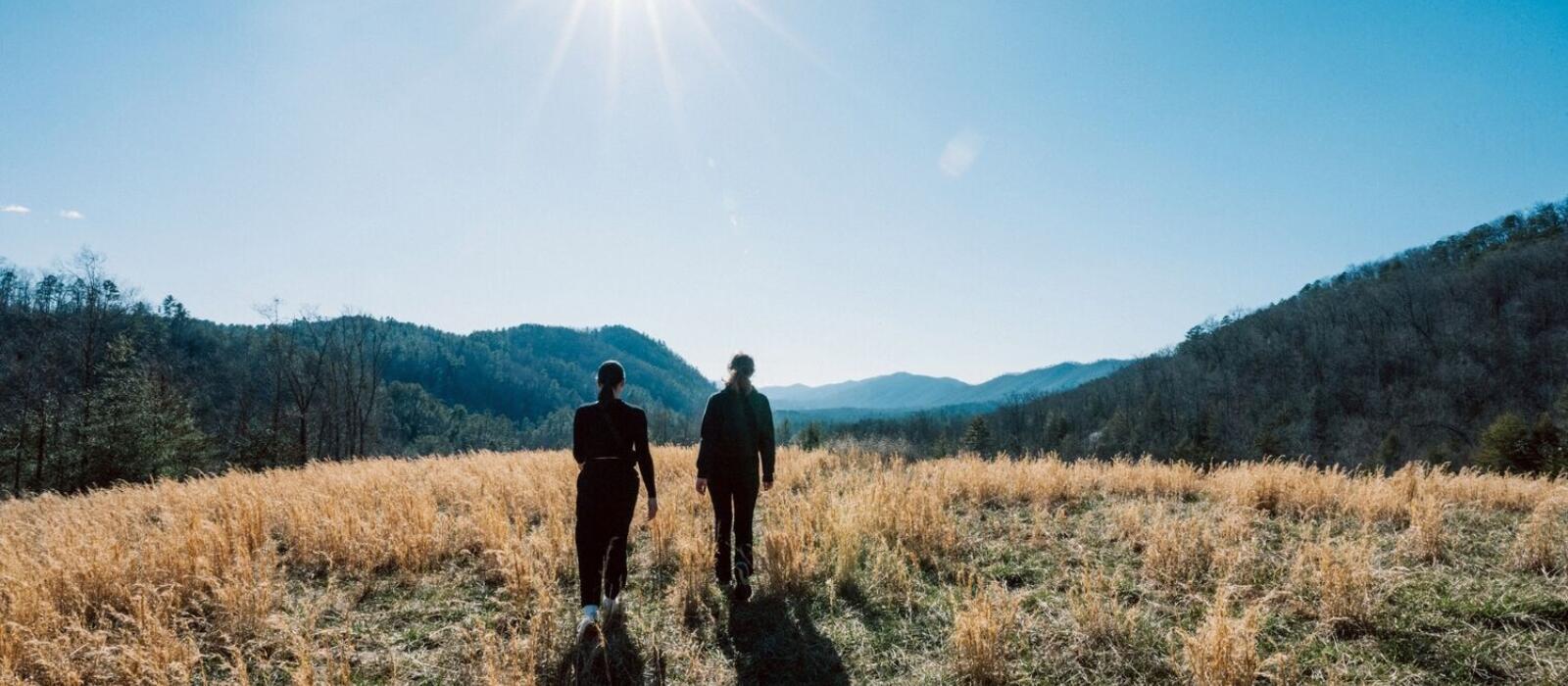
Being a wanderer on Blackberry’s trails, and beyond, can build strength, clarity and calm.
If you’ve ever roamed along the paths at Blackberry Farm or climbed the switchbacks at Blackberry Mountain, you already know how magnificent a walk feels here. You might call it soul fuel, what with the bucolic environment, out-of-this-world Smoky Mountain views, and lively sounds of nature all around you. Science shows what you feel out there is very legit, and not just subjective or even fleeting. Beyond lifting your spirits, the health benefits touch essentially every part of your being, from your mood and energy to your heart and brain.
The Mental Rewards of Ranging
Walking is as much about the mind as the body. Regular walks reduce anxiety and stress in the moment and help manage depression over time. Simultaneously, roaming sparks fresh ideas. Creative thinking improves when people move instead of sitting still, finds research from Stanford University. Because you’re on your feet, the movement compresses arteries and boosts blood flow and oxygen to the brain, which sharpens focus, memory and overall cognitive function. A walk also pushes you into the brain state linked to daydreaming, imagination and idea-generation by engaging what’s called “default mode network” activity. Essentially, the act of ranging, or wandering without any intense focus, makes your brain shift into a looser, more associative mode where ideas flow and connect more freely.
This is especially true in natural settings, which reduce the fatigue that comes as a consequence of directed attention, freeing up your brain power for more innovative ideas. Pay attention to what you hear while you’re out: the call of a hawk overhead, the crunch of frost on leaves, the creaking of tree branches in the breeze. Studies show that natural sounds increase relaxation, which in turn, amplify all of the beneficial mental perks.
Your Body on a Walk
Just over 20 minutes a day, or two and a half hours a week, is enough walking to lower blood pressure, improve cardiovascular health and decrease the risk of chronic disease, according to Harvard research.
Walking outside adds another dimension. Uneven ground, whether it’s a dirt trail or a grassy slope, improves balance and foot sensitivity. Reflexologists even suggest that natural surfaces stimulate pressure points that may ease pain and improve your sleep quality. And as you’ve likely experienced, a brisk walk has you feeling more awake — nearly 90 percent of people report more energy after just 20 to 75 minutes of low-to-moderate exercise. Neurotransmitters like dopamine and norepinephrine explain the lift, and research shows the energy stays high long after you stop moving.
Winter Weather Motivation
Around here, Winter doesn’t shut the trails down. In fact, colder days may be the best time to get outside. Studies from the National Institutes of Health show that exposure to low temperatures activates brown fat, a type of fat that burns calories to generate heat. One study even found hikers burned 34% more calories in cold weather than in warm.
Cold also seems to strengthen endurance, lower inflammation and lead to better sleep. Immune function gets a bump too — Winter walks increase the number of immune cells in your body. The chemicals that kick in when you’re chilled, like norepinephrine, also leave you more alert and motivated, and the effect lingers well past the end of the walk. Facing the bite of wind or the unpredictability of a frozen path additionally builds mental resilience. Scientists call it hormesis: short bursts of stress that train you to stay calm and focused when life bombards you with harder challenges.
Find Your Stride
How you walk can make a difference and there’s even a sweet spot for pace: about 120 steps per minute. At that rhythm, your stride and heart rate sync up to deliver the biggest physical and mental boost. Small adjustments can also make walking more effective and more comfortable:
- Push through your toes as your back foot lifts for more forward drive.
- Lift from your hips and pelvis instead of overstriding, which can strain your knees and back.
- Let your arms swing slightly behind you with a bend in the elbows to open posture and activate core muscles.
- Focus on lengthening your midsection rather than pulling in your stomach — it stabilizes your spine and recruits your glutes.
The Big Picture
The science is convincing, but there’s another truth that goes beyond the physical and brain benefits. Walking reminds you to just be where, and who, you are. Of no less significance, it helps you to really notice the exquisite land around you. And that can be one of the most simple, lasting rewards.
Written by Isabel Burton for The Range Issue of Blackberry Magazine