
Story
Winter Blooms
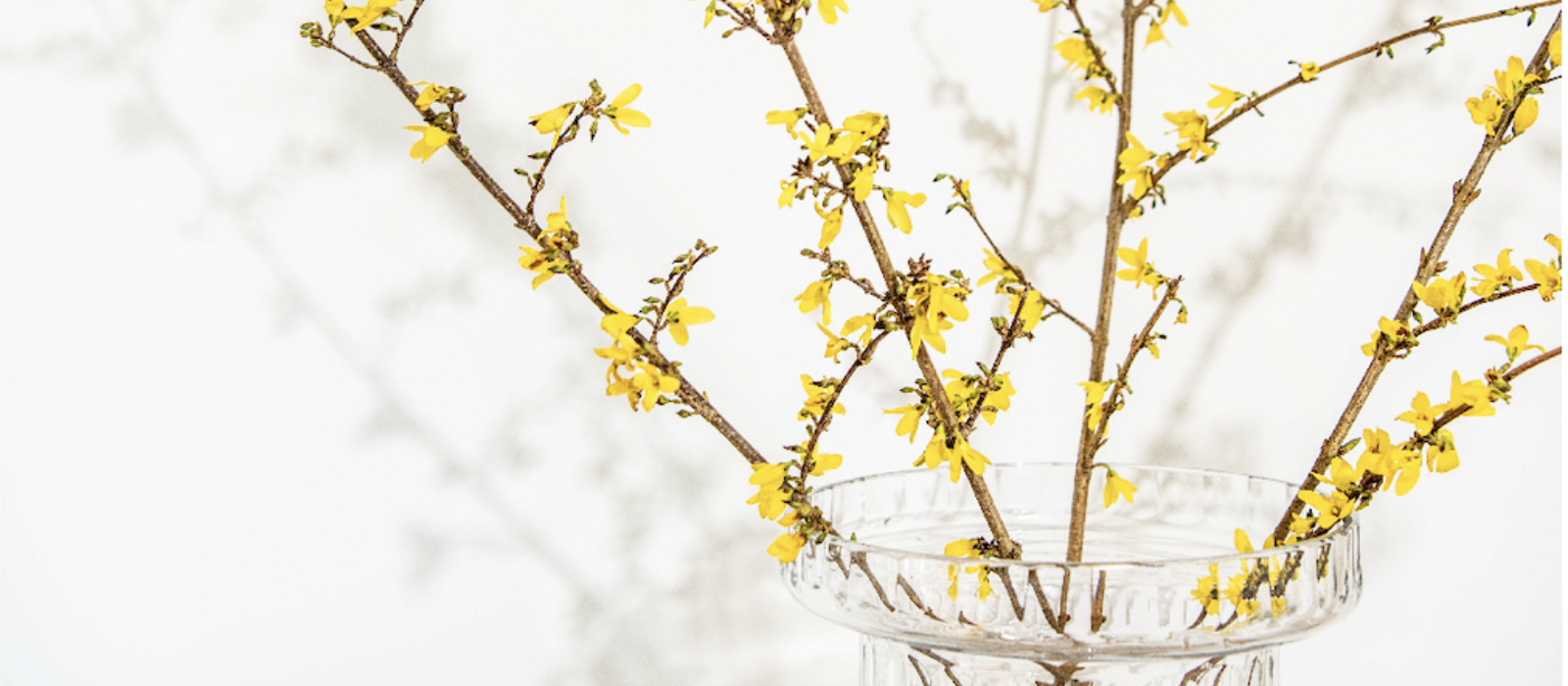
The Winter season casts a more neutral palate over the landscape as many plants lie dormant for the season. The ground may show more brown than green, the trees bare of the colorful leaves of Fall. During the holiday season, color surrounds us in the form of decorations and twinkling lights, but what about when the celebrations have ended?
We asked the Blackberry floral team to share what seasonal elements they use for centerpieces, celebratory bouquets and decorative accents during the Winter season.
Seasonal flora is a great way to keep life and color present in your home through the Winter season, celebrating the current state of the environment around you and serving as a reminder of the growth to come.
Evergreens can add beautiful texture to your space, both indoor and out. Search for Winter greenery like pine, juniper, cedars or any evergreen clippings that are native to your area. These Winter greens can be tied together to make garland, a fun way to add some green well beyond the holidays, smaller bushels for centerpieces on the table, or tucked into a seasonal floral arrangement with other elements.
Of course, blooms of any color and textures are an instant way to brighten up your Winter. Thistle offers beautiful tints of blue and purple, Lenten roses bloom in cream, red and peach, while winterberry, also known as red hypericum, can add pops of vibrant red. Wax flower, which comes in shades of white and pink with lively green stems, can add a feeling of the Spring to come to your Winter arrangements as well. If you’re looking for natural accents to add texture and filler while letting the pops of color shine, use floral wire to incorporate small pinecones into your arrangement. Or, try adding willow cuttings. They’re the perfect seasonal filler – especially pussy willow with their fuzzy white flowers.
Pro tip: To extend the life of your Winter floral, keep in mind the temperature of your home and where the floral arrangement is placed. Depending on the temperature of your space, you should pour out and replace your vase water with room temperature water, fresh flower food and a fresh stem cut – at an angle – once every two weeks. If you keep your house on the warmer side, replace water once a week, as your flowers will be drinking more water.