
Story
Thriving Through Fire
Fire in nature is commonly understood as a terrible and catastrophic force. Because fire can leave so much destruction in its wake, it may be difficult to believe any good can result from it. However, the reality is that nature can benefit from fire, and some parts of the ecosystem are even dependent on it.
“If we’re learning to appreciate nature for all of its parts, fire is an integral part of that,” says Alex Quick, activities director at Blackberry Farm. “People tend to think about large fires in a similar way that they think about Winter — that they represent death. And that’s understandable given what the power of a fire can do. But all of nature acts in tandem. There is more to the story beyond the destruction we see on the surface.”
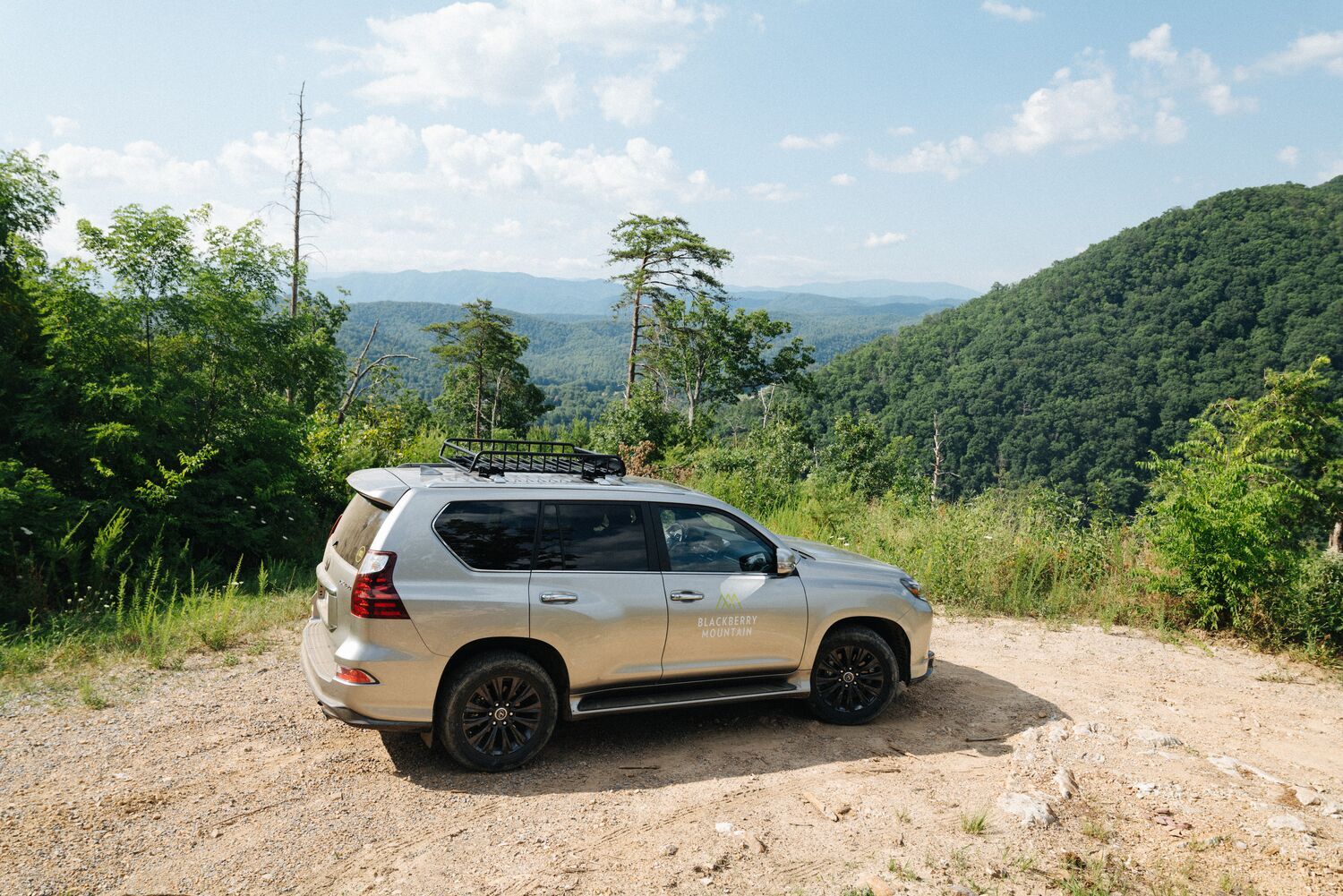
Blackberry Mountain’s Lexus Off-Road Adventure showcases the natural beauty that surrounds the 5,200-acre property, despite part of the land that the course is now on being engulfed in flames nearly eight years ago during a memorable wildfire in the Great Smoky Mountains. Along the adventure, you will find one side of the road appears much sparser than the other. This is because it was caught in the path of the wildfire. When compared to the fuller side that stayed clear of the flames, the sparser side may seem desolate and void of life. However, if you look beyond the surface, it represents something else entirely. The sparsity actually represents nature in a stage of healing and bettering itself.
Before the wildfire, non-native plant species were largely crowding out native ones in many areas of the forest. Thanks to fire clearing the ground, wildflowers and other native species have had space to regenerate and re-occupy the space that originally belonged to them. Certain animal species also depend on the new growth that results from fire clearing out density. Many species lack the ability to fly or climb trees to access food, so understory growth is incredibly important for their survival.
“Having that food at ground level is what's sustaining them more than the big tree that we think of,” Alex says.
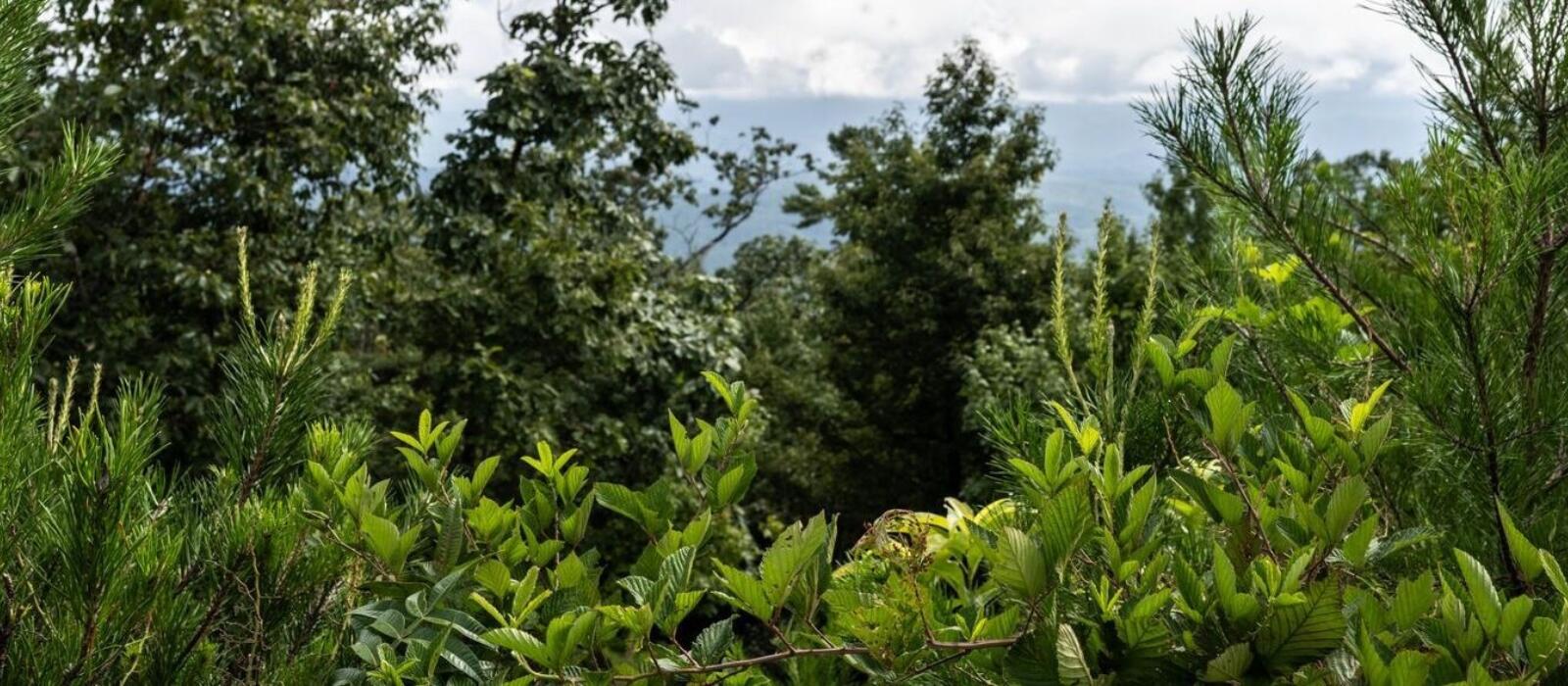
Nature knows how to heal itself, and many plant species are designed to recover from massive weather events like wildfires, high winds and hurricanes. The Virginia pine, for example, is one of the most common trees found across Blackberry.
“Its main job is early succession,” Alex says. “So, when a fire happens, when the wind blows everything down, or if humans knock everything in the area down, it produces a ton of seed. It grows fast. It colonizes a site and, once it’s growing, provides shade for things to grow underneath it.”
Due to their small root systems and thin bark, Virginia pines are quick to burn up or fall over in harsh weather conditions. However, because of their quick succession, once a tree dies, the ones that began growing underneath are able to come up and take its place.
Unlike the Virginia pine, some trees are built to sustain fire with their thick bark and needles, and some actually depend on fire to reproduce. Table Mountain pine, pitch pine, shortleaf pine and oak are all examples of fire-resistant trees that can be found at Blackberry. Some older surviving trees from the wildfire are marked with burns and scars, while younger ones may not look as if they’d been exposed to fire. This is likely because their needles took the brunt of the fire and singed off before the flames could reach the thick bark.
In the case of Table Mountain and pitch pines, the heat of fire allows their closed cones to open and release seeds. Without fire, the seeds may never drop, and the reproduction of these species would be stunted. Species like shortleaf pine and oak have extensive root systems containing dormant buds underneath the soil, which ensures their survival even after extreme above-ground destruction.
As horrible as fire can be, it’s also beneficial for a healthy ecosystem. Our forests are in a constant state of succession and are equipped with the knowledge of how to heal themselves. At the same time fire is bringing destruction to parts of an ecosystem, it’s also laying the path for the revival of its natural inhabitants.