
Story
The Shape of our Bottles
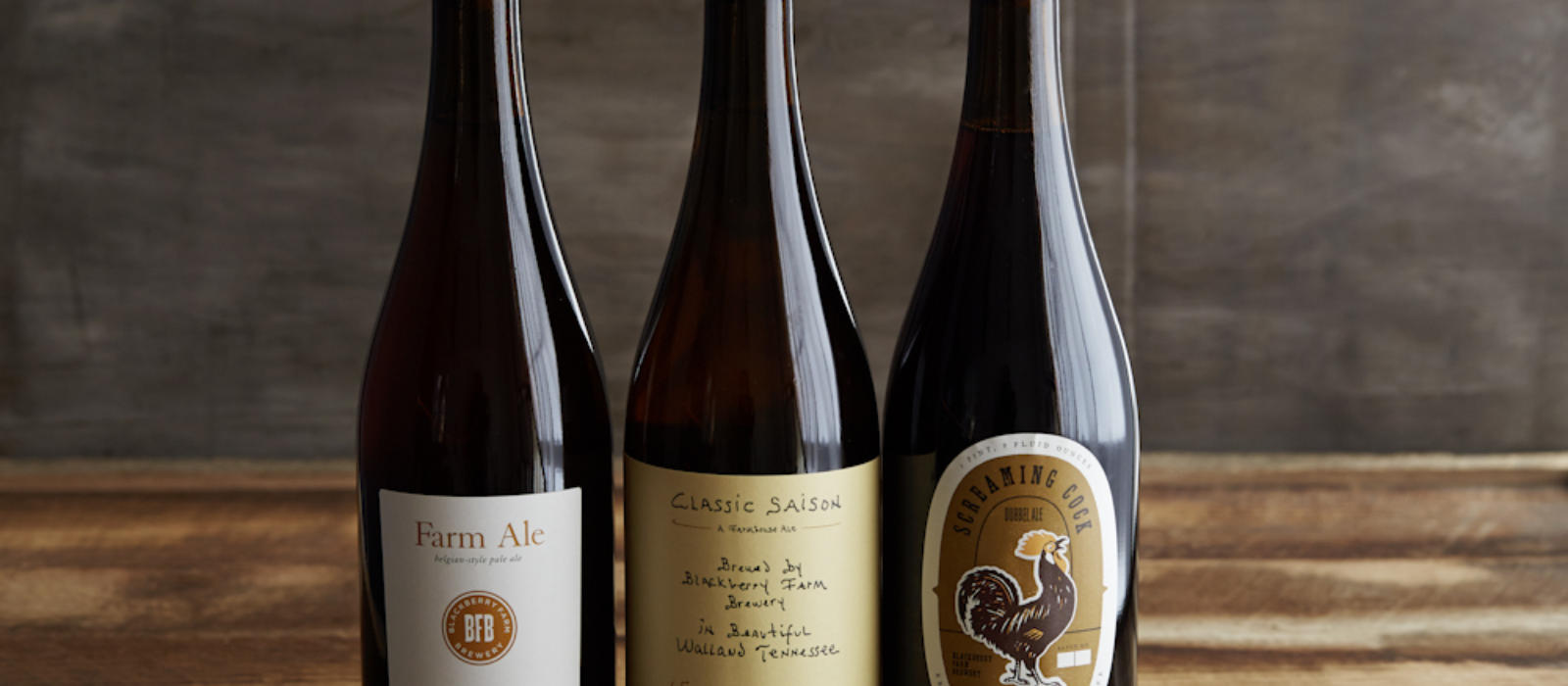
We are often asked questions about the shape of our beer bottles. Why do they look like champagne bottles? Is it for a reason or is it for show? Does it actually make the beer taste better?
These are all great questions and they deserve thoughtful answers. First and foremost, they look like champagne bottles because that is exactly what they are. Yes, we package our beer in champagne bottles and we do it for a variety of reasons.
Let’s talk first about function. The traditional method of bottle conditioning relies on a final fermentation in the bottle. This means that there is no artificial carbonation added to the beer during bottling, allowing for a natural carbonation to develop over an extended aging period. During this process, a significant amount of pressure builds inside the bottle, requiring a stronger vessel with a more substantial closure, such as the cork and cage. A second form of function is the indentation at the bottom of the bottle called the punt. The punt aids in better and more consistent pouring, but also allows the yeast to settle in a fine ring at the bottom of the bottle after it has completed the bottle fermentation. This fine layer of sediment may remain upon pouring or it can be roused to provide a more flavorful drinking experience.
Moving out of function, we turn our focus to flavor. We use three different strains of yeast in our three core beer offerings. The yeast is capable of producing more than 300 unique flavor compounds on their own during fermentation and thrives in this particular bottle shape and size. Yeast dynamics are a blend of science and art, but what is undeniable is the fact that Belgian yeasts love the 750ml champagne bottle and this affords us a chance to let them shine. Our beers are ready to drink upon release, however, we recommend giving them some time in your cellar to allow them to evolve and develop more nuances in flavor as they age.
Last but not least, our beers are meant to be at the table. They are appropriate for cooking with and enjoying with a meal. We celebrate the elegance of a beautiful bottle on the table or in a bucket, waiting to be poured and shared, much the same way you would a fine bottle of champagne.
Cheers!
Roy
Roy Milner, Brewery