
Story
The Flossie Powell Butterbean
Whenever possible, I will include a hundred-year anniversary variety in our garden here at Blackberry Farm.
Last year, the Gulf State Tomato was featured, and that variety was introduced in 1921. The Gulf State Tomato was a favorite among guests and a star in our Saturday tomato tastings during Garden Month.
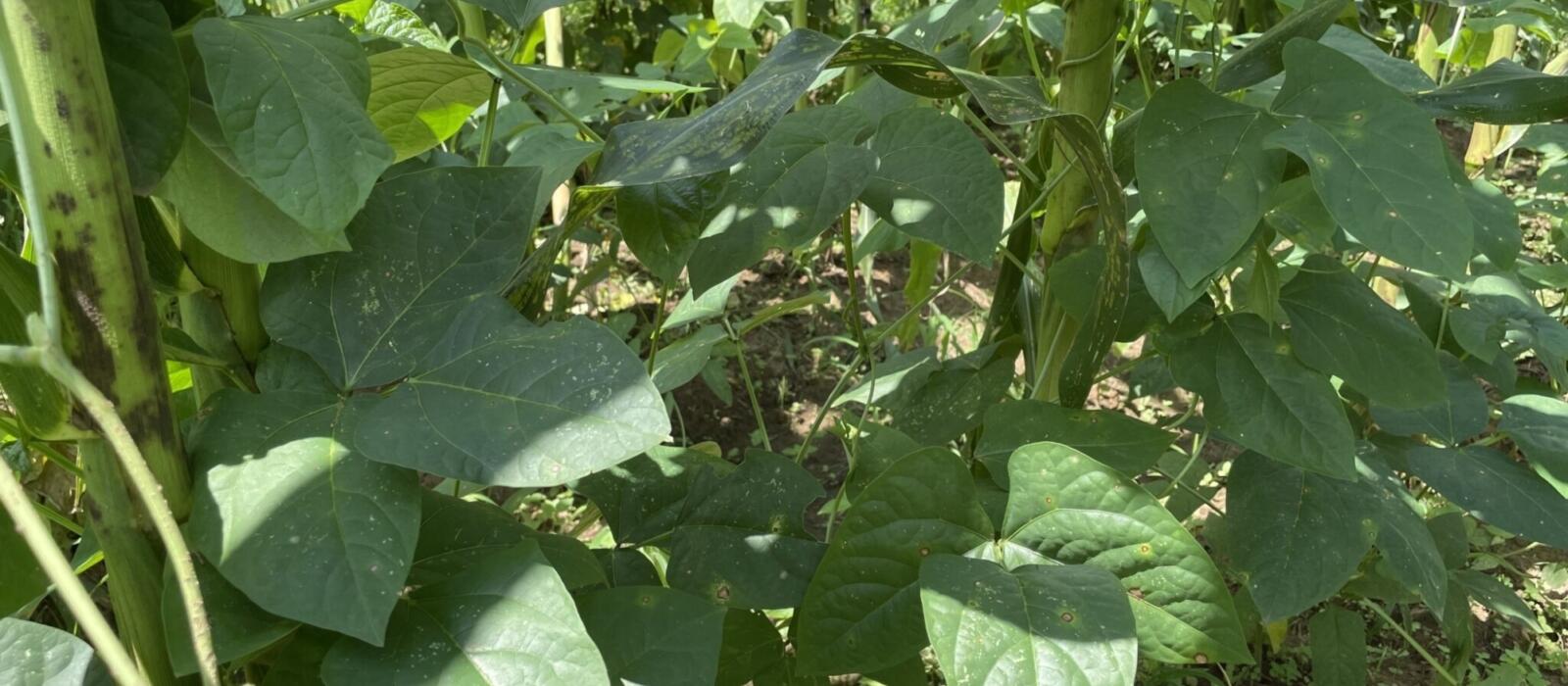
This year, we are featuring the Flossie Powell Butterbean, 1922-2022.
The most common way of naming an heirloom variety was to refer to it by the name of the person who handed it down to future generations. Sometime around 30 years ago, a friend and fellow seed saver from Kentucky gave me a seeds from the Flossie Powell Butterbean. My friend’s mother acquired the butterbean seeds from their neighbor, a lady by the name of Flossie Powell.
This old variety features long vines which will grow to great heights and coil their way around bean poles or any type of trellising system. The bean vines are laden with blooms, and by mid-July are hanging heavy with well-filled-out pods. This and other butterbean varieties are ones that I refer to as 365 days-a-year crops.
During the Summer and Fall months, a continual supply of “green shell” beans are available. The vines produce so many pods that it is nearly impossible to keep all of them picked, which leads to there also being a great number of dry pods as well. The dried pods contain the seeds for the following year’s crop and plenty of extra seeds to be stored in one of several seed freezers. Seeds that are stored under these conditions will last for many years.
We not only grow heritage seeds in our gardens, we also harbor the history and stories that are associated with each of the varieties. When talking to our guests in the Garden, I always include the history and stories that relate to individual varieties which enable guests to be able to relate to the plant. That way, it’s not just a butterbean, it’s the Flossie Powell Butterbean.
– John Coykendall, Blackberry Farm Master Gardener