
Story
Stove Pipe Peas and the Grove Pepper
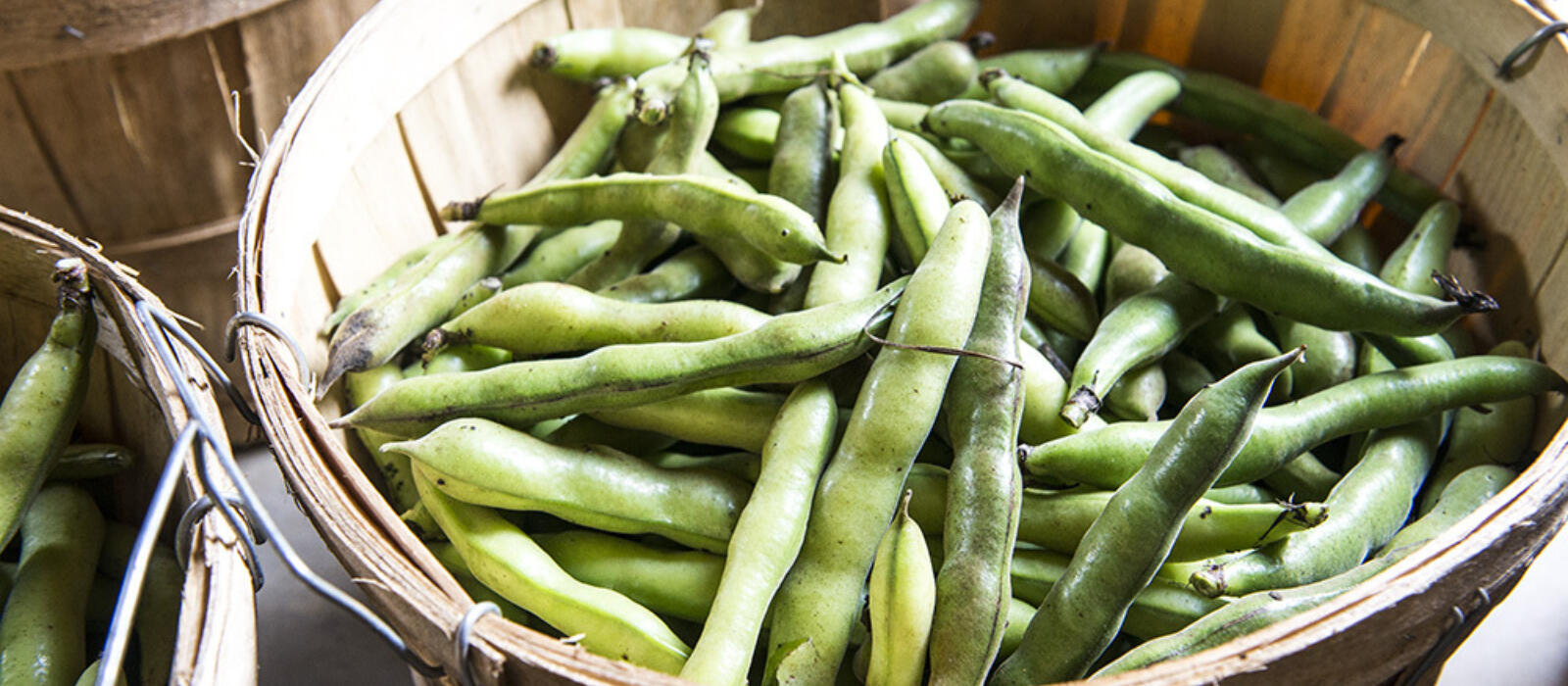
Many years ago, I was visiting family friends over in Arcadia, which is located in Central Florida. The family lived on a farm with orange groves, which were surrounded by ancient live oaks which had long strands of Spanish moss hanging from their limbs. Along the edges of the wooded areas, there were volunteer seedlings of old grapefruit and orange trees, some of which hung heavy with fruit. As is the case with old varieties of both fruits and vegetables, the older ones seem to have superior flavor.
The farm, groves and the surrounding country reminded me about Marjorie Kinnan Rawlings' book titled “Cross Creek.” Her stories were about rural farm life in Central Florida during the early 1900s, and the stories and people that she wrote about seemed to be a carbon copy of the ones that I spent time with during my Arcadia visit.
I spent a good number of hours with our host, Mr. Carl, who informed me on the history, heritage and ways of life on his and other neighboring farms and orange groves. One morning while we were working through of one his orange groves, I noticed a number of hot pepper plants that were growing among the orange trees. Mr. Carl told me that those peppers had been growing in the grove for as long as anyone could remember.
The hot pepper plants were a foot and a half tall and were filled with small yellow hot peppers measuring a bit less than an inch in length. When I asked where those peppers came from, Mr. Carl stated the origin of those peppers was unknown. Locals, however, had always referred to them as “grove peppers” and said that they were seeded in the groves every year by birds that fed on them. I brought seed from the grove pepper back to Tennessee, where I have grown them over the years.
One of the most memorable people that I never met was Mr. Carl’s neighbor, Uncle Henry Barrow, who was long since deceased before my first visit. Mr. Carl spent a good bit of time visiting with Uncle Henry and his wife, Aunt Ida, and was often invited to stay for dinner. Dinner was served at noon, and a typical dinner might consist of cutoff cream style white corn, baked sweet potatoes, fried okra, field peas, butterbeans, biscuits and cornbread.
When working in the garden, Aunt Ida always wore a long dress with an apron and a bonnet to help ward off the hot Florida sun. Uncle Henry wore overalls, blue denim shirts and a black felt hat. Uncle Henry was well known for his large watermelons, and buyers would come from as far away as Miami to haul trailers of watermelons to take back and sell.
On one of our late evening visits, I told Mr. Carl about my heritage seed collection and about how I was always searching for old varieties to save from being lost. Upon learning that I was a seed saver, Mr. Carl told me about an old field pea variety that was referred to as the “stovepipe pea” and was the field pea that Uncle Henry Barrow grew every year.
The variety was described as producing medium-long vines with 10- to 12-inch-long pods which were well filled out with plump peas.
My first question was, “Where can I find seed for this variety?” and Mr. Carl told me that the stove pipe pea appears to have died along with Uncle Henry, and that nobody in the area was still growing it.
Over the years, I have inquired about the stove pipe pea, but most people had never even heard of it, so thus began my many years of searching, beginning in the 1990s. This story and search has been the same story as my 30-year search for the unknown pea of Washington Parish, Louisiana. That story came to a happy ending when a friend of mine found a person still growing it a number of years ago.
This year, my search for the stove pipe pea may be coming to an end. In my Seed Savers Exchange Yearbook, I found a listing for a stove wood pea, and the descriptions of those match the stove pipe pea. Only a grow out this year will tell for sure, and I am hoping that this will be a case of what was once thought to be lost has now been found.
– John Coykendall, Blackberry Farm Master Gardener