
Story
previously on farm stories
Stirrup Cup
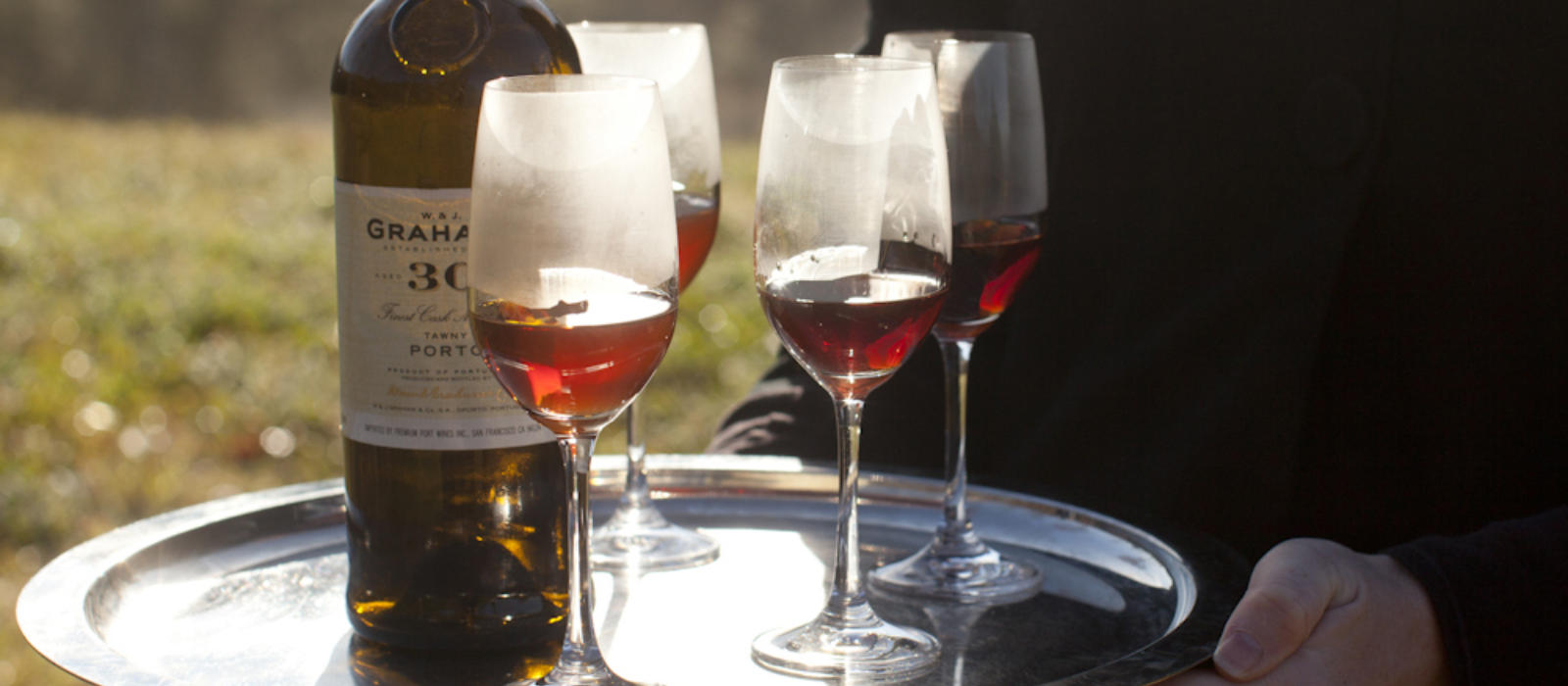
Port is perfect for almost any occasion but tradition practically requires port at the beginning of a hunt. Port served at the beginning of the hunt is often served in a vessel called a “stirrup cup.” These vessels are designed in the shape of a horn, often decorated with the likenesses of different animals and cannot be put down without spilling their contents. Because of this, the beverage within must be completely consumed in one gulp while your feet are placed in their stirrups and you’re ready to depart. A quick gulp of liquid courage and a great way to celebrate.
This season marks our 3rd foxhunting season at Blackberry Farm and with that, an opportune time to remind ourselves about how port, one of this world’s finest beverages is made.
Port is made by adding neutral grape brandy to fermenting grape juice. This brandy brings the alcohol level of the wine up to around 20 percent, a level at which the yeast that had been doing the fermenting of the grape juice can no longer survive. The yeast is killed by the brandy before it has a chance to consume all the sugar in the grape juice so what is left is a naturally sweet, fortified wine. This port can be either red or white dependent on the grapes used to make it (white for white and red for red). The red version can be aged for a short while in barrel and then bottled within a few years which preserves their fresh red fruit flavors just like normal red wines or they can be aged for a long time in the oxidative environment created by barrels in which case they turn a caramel or tawny color and pick up nutty, cooked sugar flavors. These are Ruby and Tawny ports respectively.
True port is made in the Douro Valley of Portugal. Traditionally it was made, put into barrels and floated down the Douro River to the Port of Villa Nova di Gaia at the mouth of the river where it meets the Atlantic Ocean. There the barrels were picked out of the water by the port house workers and aged in the warehouses until they were subsequently shipped to their final destination. This arduous journey that port traditionally underwent is one of the main reasons it had to be fortified and left sweet (sugar and alcohol are preservatives of a sort) – so that it could survive, this long hot journey down a river, into a warehouse and on board a ship for weeks on end.
Andy Chabot
Director of Food & Beverage