
Story
previously on farm stories
September’s Observations of Transition
There is art in observation, and if nothing else, the fly angler must become a patient observer. Over the course of a year, one has the opportunity to make a multitude of observations when outdoors. Some are small and others large. Some are of substance while a few are simply in passing.
A few of my favorite observations are those of transition, such as the first flowers of the alternate leaf dogwood (Cornus alternifolia) and the redbuds (Cercis Canadensis). These are the first trees to flower in the early Spring – typically well before the wildflowers and more common flowering dogwood – and bring hope of the approaching Spring weather. The emergence of the Quill Gordon mayflies, which typically starts in late March or early April, is also a sign of warmer days to come. Then there is the appearance of the little Yellow Sally stoneflies on the Little River, which gives sign of the approach of Summer and the presence of a bug that will be a large part of the Smoky Mountain trout “menu” for many months. Every season brings about its own observations, and with such a hope for change in the outdoor landscape.
September is not a month of great note on the calendar of the Smoky Mountain angler. The water is typically low and a bit warm from a long Summer. The majority of the aquatic insects are active earlier in the year or at cooler water temperatures, leaving little hope for epic hatches. However, there are still a plethora of meaningful observations to be made that bring with them signs of change throughout the month.
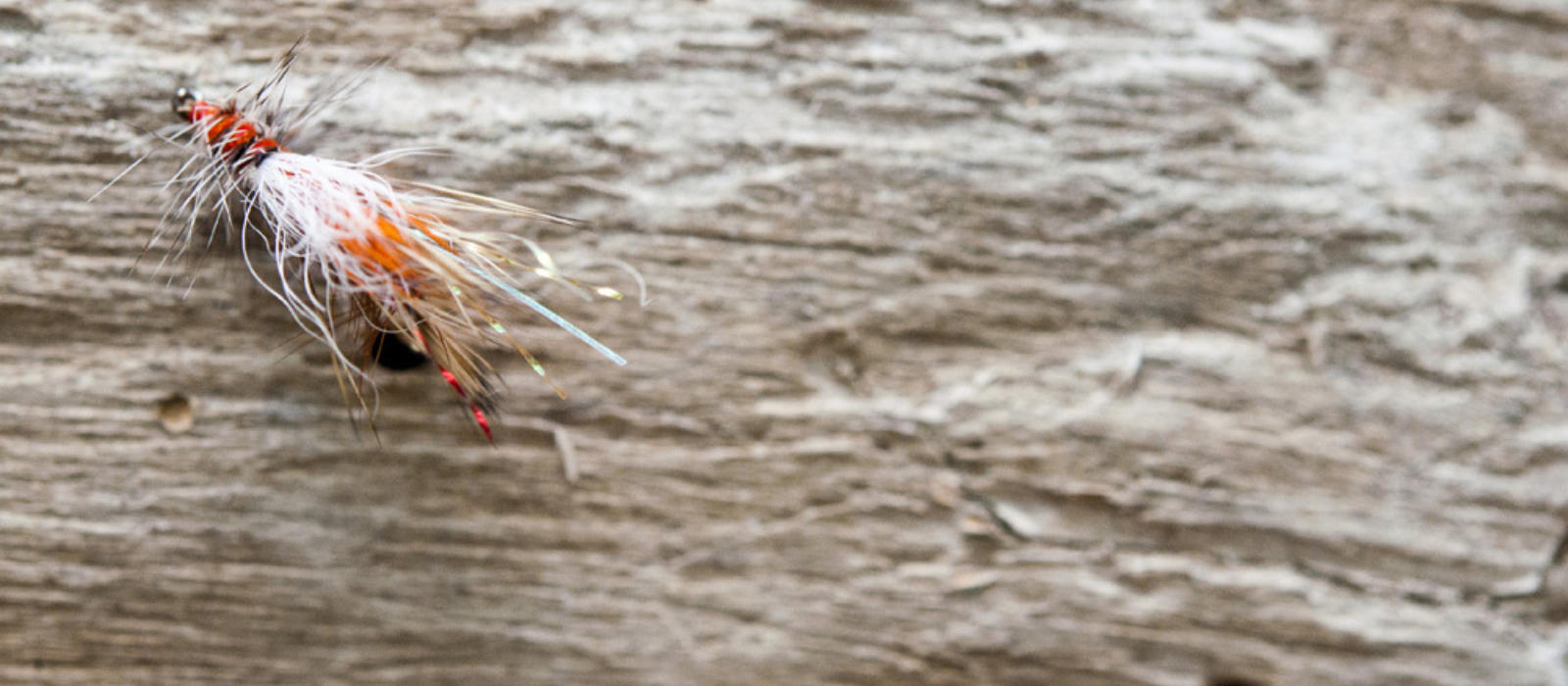
As one drives into the higher elevation, you can see signs of the approaching Fall and hopes for cooler weather. The first few trees will give hints of color to the hillsides as sourwood (Oxydendrum arboreum) and black gum (Nyssa sylvatica) are typically the first to change. Cardinal flower (Lobelia cardinalis) typically still lines the banks of mountain streams. The last few remaining paw paws (Asimina triloba) cling to the trees, providing a snack to a keen angler for the first few days of the month. Then towards the end of the month comes the October caddis, a larger caddis species with a large orange body, which brings with it, normally, good dry fly action in the mountain streams. One can also see the fattening bellies of the brook trout as they begin to prepare eggs for their Fall spawn. Tropical moisture from the gulf and more common cold fronts typically bring water to the streams that were low from the Summer’s dry days. Chilly morning temperatures will cool the water and thus “liven up” the fish, and with that allure the streams will once again draw anglers with the early anticipation of Fall fishing.
September does not bring with it the beginning of Fall, but instead the hope of its approach. Its observations bring the start of the home stretch of a long Summer, signs of the approaching transition. Keep your eyes open while enjoying the outdoors. Immerse yourself in the textures, sights, sounds and smells of the landscape and begin to decipher the messages it tells. You will become a better angler, and it will multiply the enjoyment of your time spent outside.
Small fish and big memories…
– Alex Quick, Fly Fishing Manager