
Story
Saving the Seeds From By Gone Times for Future Generations
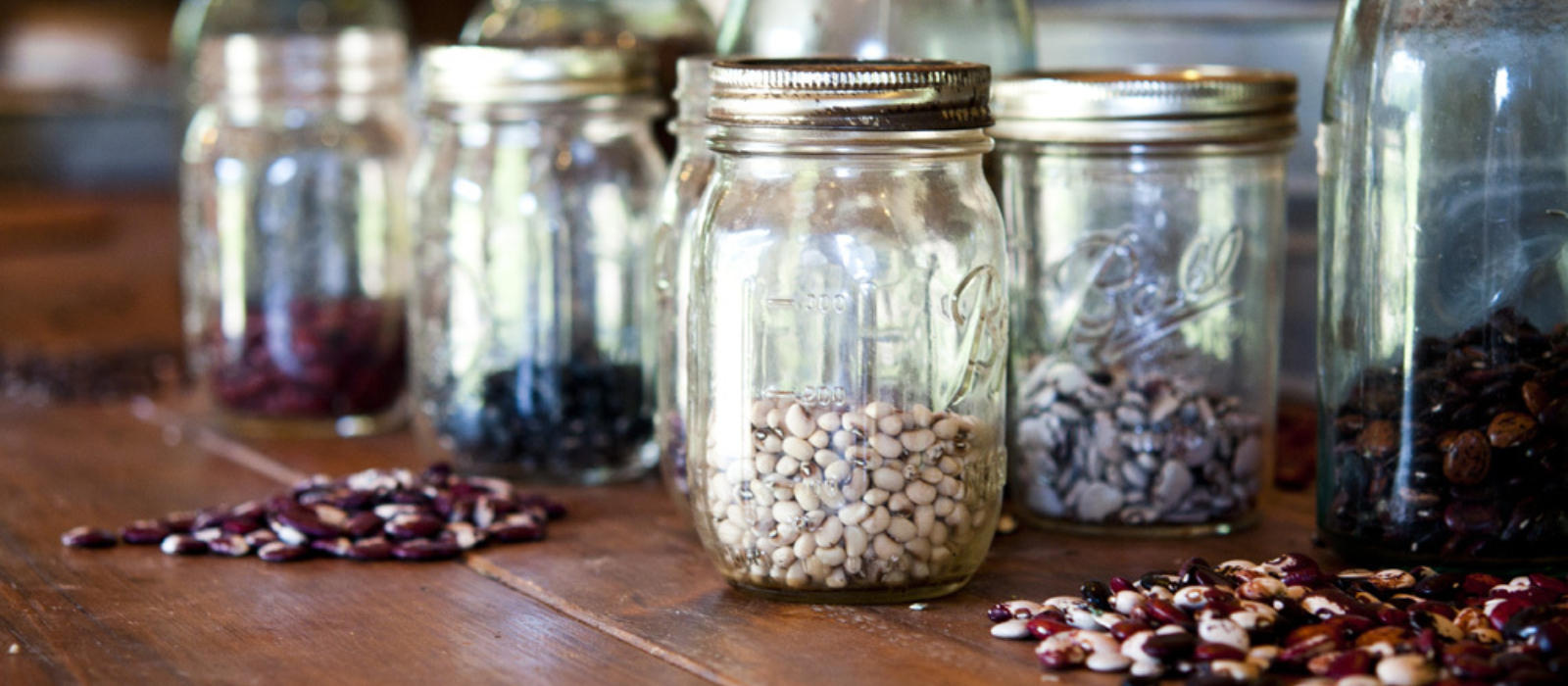
When our ancestors settled in East Tennessee during the 17-1800’s, they became seed savers by necessity. When the first settlers arrived, most of them brought some seeds with them. As time went on, neighbors traded seeds and some of the old varieties that have been passed down among seed savers originally came from the Cherokee Indians. Beans especially have been saved down through the years because they were such an important crop for survival.
Going back in time, it was not uncommon to find totally unique varieties being grown by families in every cove and hollow in the mountains. I have collected several varieties in remote areas that were being grown by only one family which illustrates the importance of collecting these old varieties before they are lost to future generations. Whenever an old vegetable or field crop variety is lost, it means that future generations will not be able to experience the wonderful flavors of a certain bean or tomato.
Many older people have told me that food doesn’t taste as good as it once did, and I certainly relate to that. Try eating a tomato in January. You might as well eat Styrofoam. When Summer tomatoes begin to ripen, try several of the heirloom varieties and experience firsthand what tomato heaven is all about. Eating one of the old tomato varieties such as pineapple, oxheart, brandywine, caspian pink, gulf state, etc., is enough to turn you into a seed saver on the spot.
When a person experiences these flavors for the first time, they realize how important it is to be a good stewards to these heritage varieties so that they can be passed on to future generations who will be able to enjoy the unbroken chain of living history, heritage and “good taste.”
John Coykendall, Master Gardener