
Story
Prepping Tobacco Beds
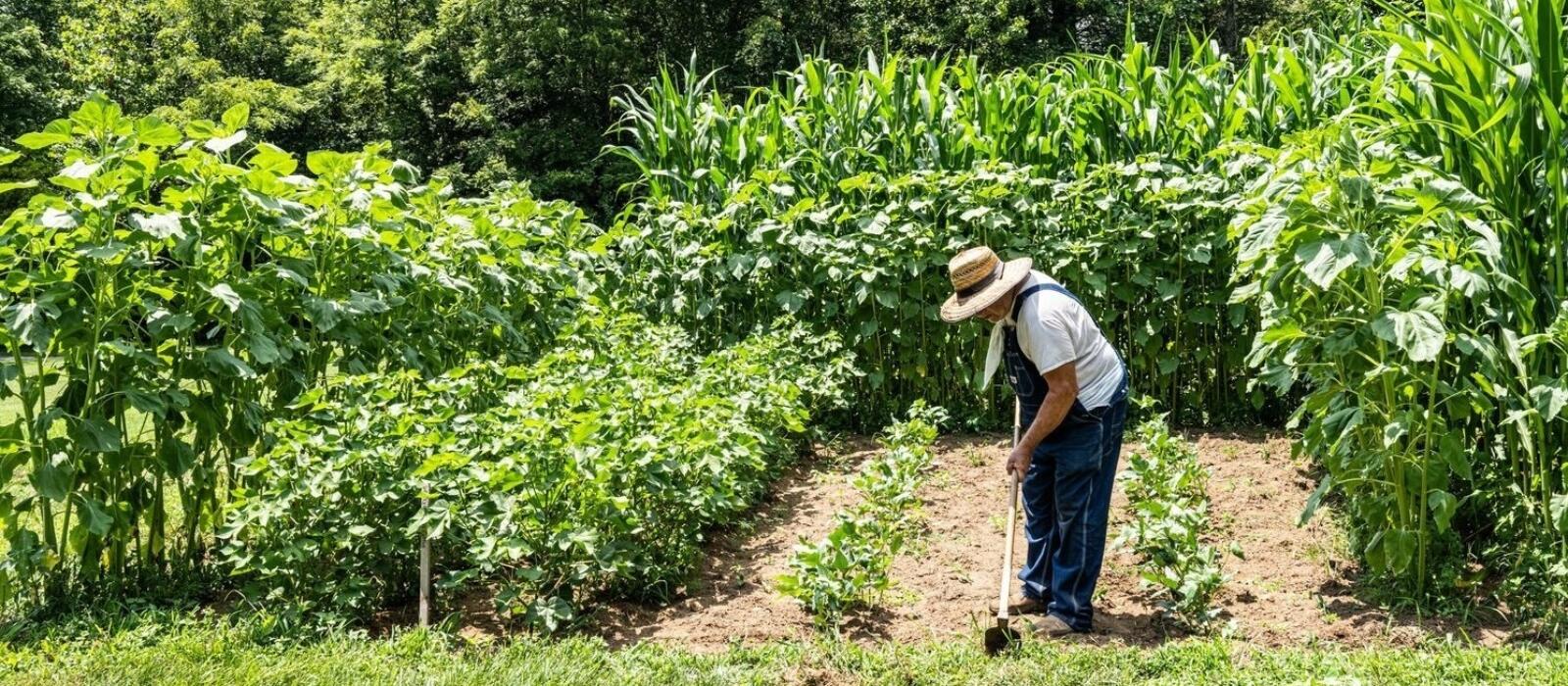
Not so long ago, both large and small farms here in East Tennessee raised tobacco as an important cash crop. The main variety grown in our region was Tennessee burley tobacco.
I remember tobacco beds being prepped beginning in February. An elongated area where the tobacco was to be seeded was piled high with brush and logs and then set on fire. The fire was kept burning for a period of time until all weed seeds in the soil were killed so that they would not compete with the tobacco seedlings.
Large logs or boards lined the tobacco bed, and over the logs tobacco cloth was stretched to prevent frost damage while the young plants were growing. Tobacco seeds are very fine, so they would be mixed with lime to ensure that they would be evenly sown over the prepped bed. When all danger of frost had passed, the cover was removed.
When the plants had reached a height of around a foot or so, the plants would be pulled and placed in wooden boxes and were then ready to be set out in the tobacco fields.
In the 1940s, I recall that on some small farms tobacco plants would be set out using dibbles. The dibble made a hole in the ground, the plant inserted and the soil around the plant pressed down.
Tobacco beds also served other purposes as well. At the end of the beds, tomatoes and pepper seedlings were also seeded to ensure an early start when weather conditions were favorable. There was also a bean variety called the tobacco bed bean that was grown later in the Spring.
– John Coykendall, Blackberry Farm Master Gardener