
Story
Over the Flames
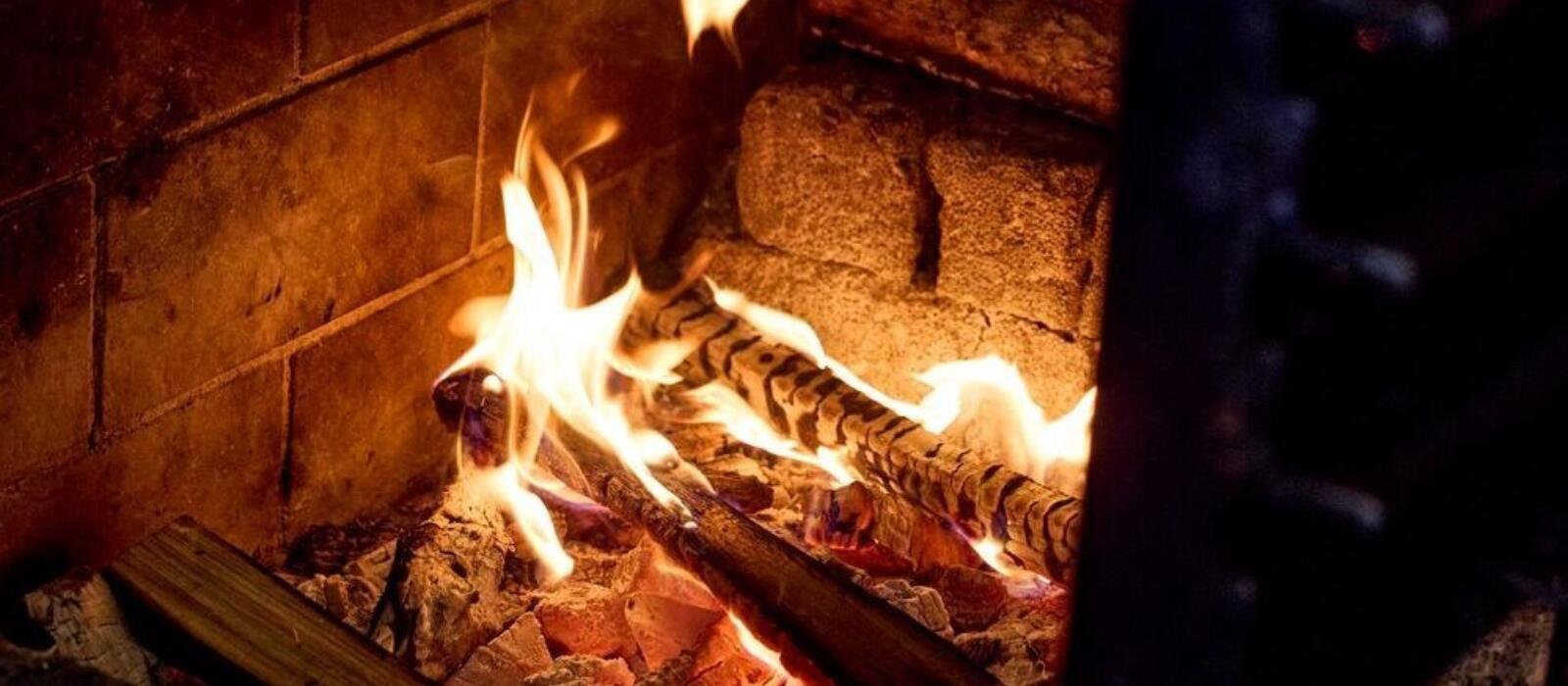
As cooler temperatures begin to settle in with the season, there is nothing better than cozying up by a roaring fire. Fires in Fall invite people to come together for conversation, storytelling and Fall favorite treats – like s’mores! But there are more ways to enjoy an open fire for cooking that go well beyond tasty, gooey desserts.
Cooking over a flame is a great way to achieve flavor in your food and practice different techniques to expand your culinary skills. Open fire cooking is a staple for our Three Sisters team bringing smokey, charred and delicious flavor to the table.
Can’t wait until your next Blackberry Mountain vacation? Try it at home! Whether you’re lighting a fire at home or preparing to dine in nature on a camping trip, Three Sisters Sous Chef Randall Roach has some advice to walk you through important key steps and instructions for cooking over open flames.
“Open fire cooking requires work, and it involves a lot of trial and error. But, once you master this skill with attention to detail and patience, it’s an extremely rewarding experience that really takes your cooking to the next level! Though this activity can be done at both your home and on your camping trips, I suggest starting out at home and crafting the skill before you start traveling with the necessary equipment. Make sure you designate the appropriate amount of space in your yard, and grab your supplies.
You’ll need pieces of split wood, the fresher the better, and make sure that it’s very dry. Some wood, especially if it’s older or wet, can have a soured smell that can transfer to your meal, altering the flavor and overall enjoyment of the food. Some great wood to use would be oak, pine or cedar. Rare wood finds such as apple, pecan and chestnut are also incredible choices, though they are less common and harder to obtain. Another important item to have is good charcoal, which can be found at your local hardware store. Other important items include plenty of newspaper, grill grate, fire bricks (bricks that won’t burn or break due to high heat), matches or a lighter and a fire extinguisher – just in case! Kitchen utensils such as tongs, spatulas and a basting brush are helpful but not necessary. It depends on what you’re cooking and how you’d like to work with it. It’s important to note that you do not want to use lighter fluid during any of this process! Just like soured wood, lighter fluid can be transferred to what you’re cooking, and you want to avoid that.
Now that you’ve got all of your necessary equipment, it’s time to light your fire. Grab your wood and arrange it nicely, think Lincoln Logs. I like to arrange them three deep and 3x3, so you’ll need nine pieces of wood arranged perpendicular to each other. Try not to arrange your wood directly in the middle of your fire pit so that you’ll be able to add the coals as needed and evenly cook your meal. On the opposite side, cluster some charcoal and light it as well. Once the charcoal is hot and no longer black, it will turn white and smolder. Begin to pour it over your logs and lightly fan. Pick up pace as needed to officially start the lighting process of your wood. You may use the newspaper to fan, and you can also take balled up pieces for additional aid in lighting the coals and wood. Your fire pit should consist of two “sides”. One side is for cooking your meal and the other is designated to the firewood and coals.
Once your wood is lit, it’s imperative to wait and not cook on freshly lit wood. You’ll want to let your wood get hot and simmer to coals. If you cook on freshly lit wood, your food will develop an almost bitter smokey taste known as white smoke, which is something you want to avoid. Once your wood has burned down into the coals, you can shovel them into the cooking area and feed more wooden logs into the ongoing fire. This will create an endless chain of coals while cooking. Once your coals are shoveled, you’ll need to create a bed by laying them out flat. Take a few fire bricks and place them on either side, setting your grill grate on top, which will create the perfect set up for cooking with radiant controlled heat. Now that you have the proper set up you can begin cooking!”
There is no shortage of ingredients and meals that you can experiment with over your flames. Randall recommends trying out his favorite – chicken! “I recommend cooking chicken over an open fire. Spatchcocking method for cooking is best, which means removing the spine and flattening it out. This ensures crispy skin and even cooking on the grill. Seasoning can be as simple as salt and pepper or include your favorite seasoning. My personal favorite is a little salt and smoked paprika. Keep in mind that heavy seasoning on poultry tends to burn on the skin with high intense heat, so any additional seasoning outside of salt needs to be added under the skin rather than on top.”
If you want to shake it up and try a different meat, Sous Chef Phillip Hare’s personal favorite is pork ribs! “When I’m camping, I usually sear the pork ribs straight on the coals, and then smoke them over the fire by adding tinfoil.”
Open fire cooking, done safely and with attention, allows you to get creative and bring new flavor to your favorite ingredients. Meats are cooked best directly on the grill grate, and thick veggies like corn on the cob are too. Veggie items like peppers, onions, squash and pumpkin are best directly in the coals. Get your fire going, and enjoy!
NOTE: When incorporating open fire cooking into your routine, it is important to be safe. Always keep a fire extinguisher on hand, be mindful of anything near your fire area and practice fire safety.