
Story
Nature In Motion
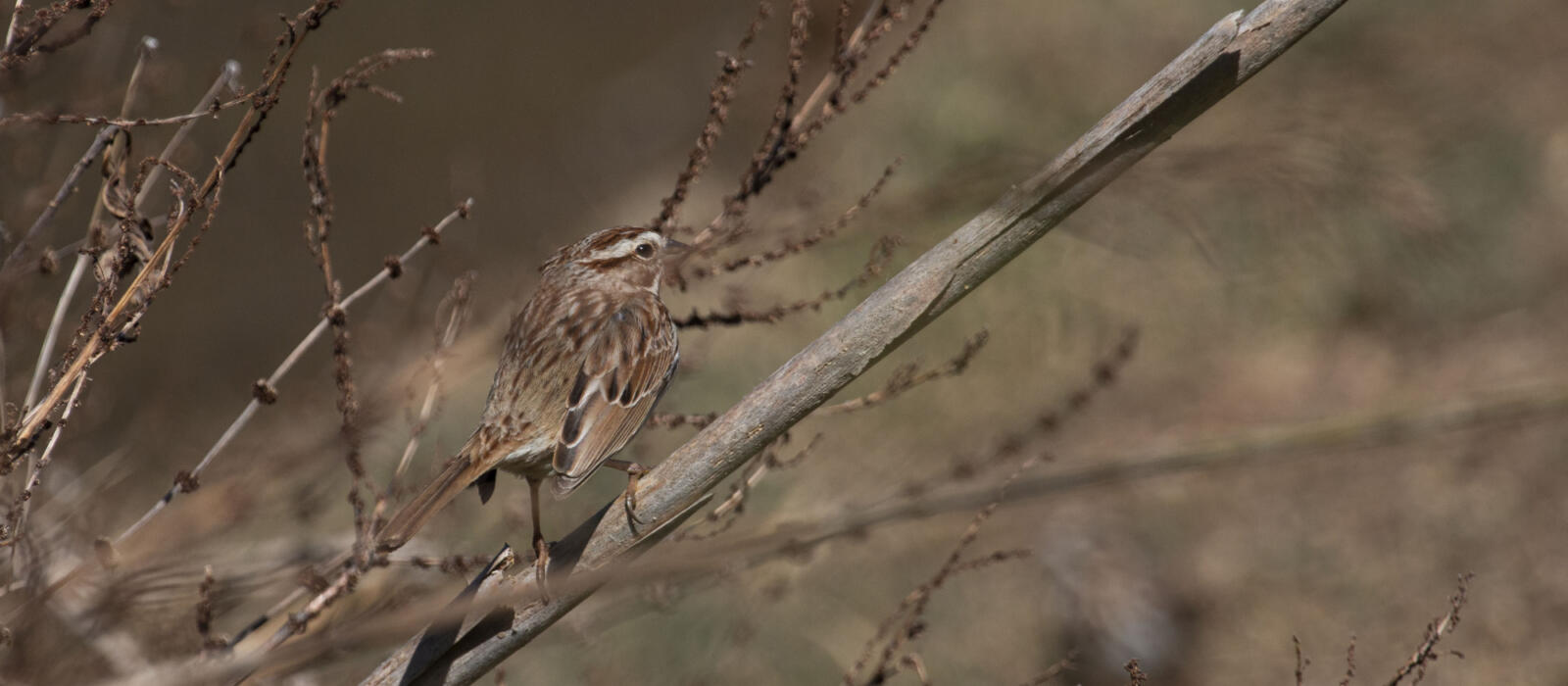
One of my favorite things to guide with Blackberry guests is a birding walk. Birds are spontaneous, unpredictable and ever present, so each trip is always unique and interesting. Quite often, the topic of migration comes up, and we all express our equal admiration at the journey many species undertake, twice a year, to get to their desired habitat. Other creatures, such as butterflies and dragonflies, can perform similar feats. My husband, Boyd, and I are looking forward to visiting a monarch sanctuary in California this December, where we hope to see great numbers of the colorful butterflies in their Winter home. Like them, we are seeking a time of rest within some new scenery!
Sometimes migrants face challenging weather patterns or storms. Hurricanes or wind events can cause certain birds to end up in unexpected places, a bit like a driver caught in a busy roundabout who finally ejects themselves out on the path of least resistance, whether it was on the planned route or not.
There are many unexplainable things in nature, which warrant our amazement. Curiosity motivates us to learn and understand more, but eventually there’s an element of trust to lean on in order to just believe that it happens, because we’ve seen the evidence. So, we are trusting that those butterflies and birds will move as they always have, for whatever reason! Some may not make it, but they will try.
As far as birds go, by this time of year the neotropical species (those that fly across the Gulf), like the Indigo Buntings and Wood Thrushes, have left the scene. There are a few fleeting Palm Warblers still passing through. We are welcoming some northern species such as the Yellow-Bellied Sapsuckers and White Throated Sparrows. Additionally, here in the foothills of the Smokies, we have the blessing of hosting the higher elevation birds, such as the Golden Crowned and Ruby Crowned Kinglets, the Winter Wren, the Brown Creeper and Dark Eyed Juncos.
Just this morning, I was practically mobbed by a glorious cluster of Golden Crown Kinglets on one of Blackberry’s hiking trails. They ducked in and out of the laurel branches, cocking their heads to flash the bright yellow swatch on top. My companion and I drew them in a little closer with a technique known to the birding community as “pishing”. The sound mimics the alarm call of the Carolina Wren, which often invites other birds to join a front line of defense against some predator or curiosity. Carolina Chickadees were present, as well as a Tufted Titmouse or two, and another darting shadow which I was never able to identify, but I suspect was a Dark Eyed Junco.
The interesting thing about the movement of higher elevation birds is that instead of traveling hundreds of miles south, “horizontally”, these birds are actually just dropping in elevation, so it’s a bit more of a “vertical” migration. In most cases they are actually flying somewhat north! By the way, actual “vertical migration”, if you research it, refers to a fascinating phenomenon in the ocean, which involves many different organisms from crustaceans to squid, and occurs daily! In terms of biomass, it’s the greatest migration in the world. These swimmers raise themselves to the upper waters at night and retreat down to the ocean’s depths by day. It’s an incredible 24-hour mass movement which most of us are completely unaware of! It’s another awesome thing which I am comfortable not being able to explain.
Something else interesting about migration is that it’s so relative. The distance that an American Golden Plover travels, compared to a nomadic North American Blue Jay, is significant. But they are following their own calling. The Black Capped Chickadee’s vertical migration only extends a couple thousand feet or so compared to the Junco, who prefers the comfort of a full drop of about 5000 feet.
We, like other living beings, are almost always in motion, whether we realize it or not. Physically or figuratively, we may be moving forward, or going “back to the beginning”. We may be stepping up to the plate or stepping down to let someone else take a turn. We might even be like the squid, undertaking a significant internal journey during the course of a day, unobservable to anyone else. One thing is for sure, we don’t want to remain stagnant. We might get kicked out of the nest. However, the birds and the butterflies will tell us that there is also a time for rest and refreshment, rejuvenation and restoration, and I am grateful for that.
– Joy Hopkins, Blackberry Farm Adventure Manager