
Story
Looking Back: Guard Animals Through the Decades
In 2026, in addition to sharing about life at Blackberry today, we're looking back at stories of Blackberry Farm over the last 50 years. Each month, we'll dive into a piece of the history of the Farm or share a story from our archives to paint a picture of five decades of hospitality, growth and connection.
Christen Waddell is Blackberry Farm’s Farmstead director. She oversees the animals that call the Farm home, including our growing flock of sheep. Today, our guests are accustomed to seeing two donkeys, Daphne and Sally, in the fields with our sheep, but there’s a long history of animals who have joined them in the field and served as protectors.
The guard animals that we've used at Blackberry Farm have changed as we've figured out what does and doesn't work for our situation. As with any animal, it comes down to the individual more than the species sometimes, and there are great guard species that haven't worked for us but do work well for other farms.
Although it was before my time on the time, dogs were used as the original guard animal for our sheep. I really like guard dogs for sheep protection, but with Blackberry Farm having guests overnight, they aren’t the best fit. Many guard dogs do their jobs by patrolling the perimeter of their property while barking at night to claim their area and let predators know to stay out. This is great for protecting the sheep, not so great for people wanting a quiet, relaxing night’s sleep. Some of the biggest benefits to using dogs as a guard animal is that they don't eat your pasture, like many other livestock guard animals do. High-quality pasture is one of our most valuable resources for our dairy sheep to be able to produce high-quality milk.
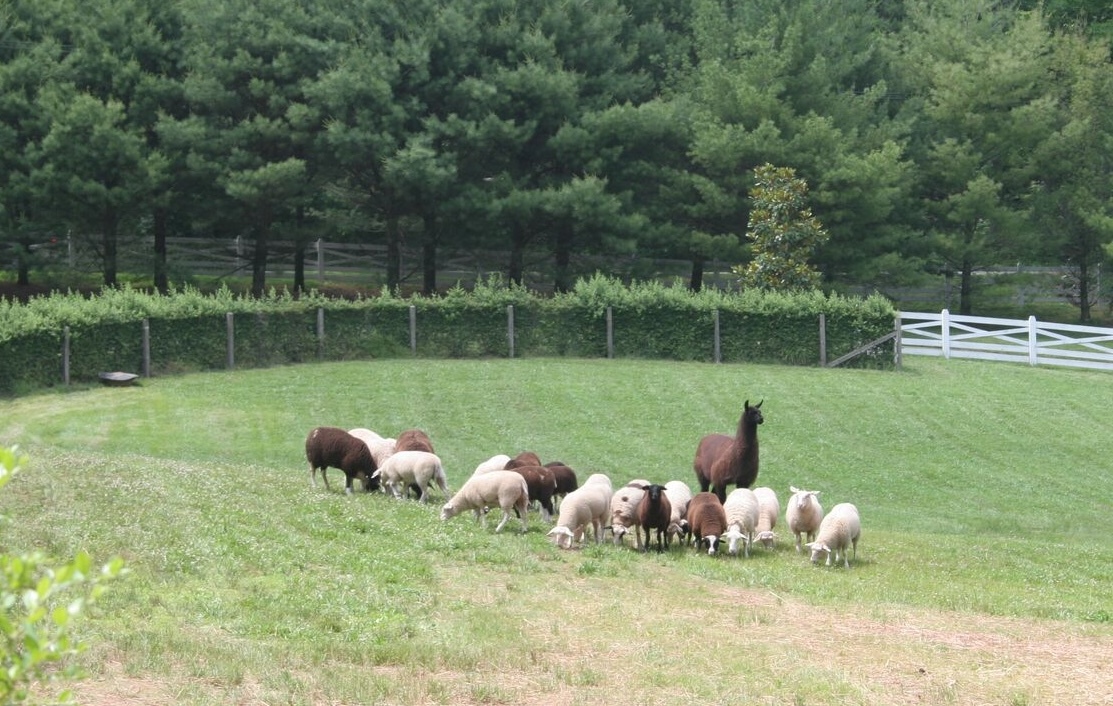
The next animals that were brought in to guard our sheep were llamas. They were still here when I joined the team. We had three llamas, one for each group of sheep. The llamas, as is common with llamas, did not actively care about guarding the sheep. They naturally dislike canids — a category of animals that includes wolves, jackals, foxes and coyotes — and canids are naturally wary of them. In that sense, if you have sheep with a llama in a small, enclosed area where the llama could never get far from the sheep, they might be effective guard animals. However, many of our pastures are quite large, and the llama would always be several acres away from the sheep. We also had issues with llamas jumping out of fences and running away. Ultimately, I retired the llamas, and for a while we went without guard animals. We didn't have as many sheep at that time, so we could bring them all into the barn overnight to protect them.
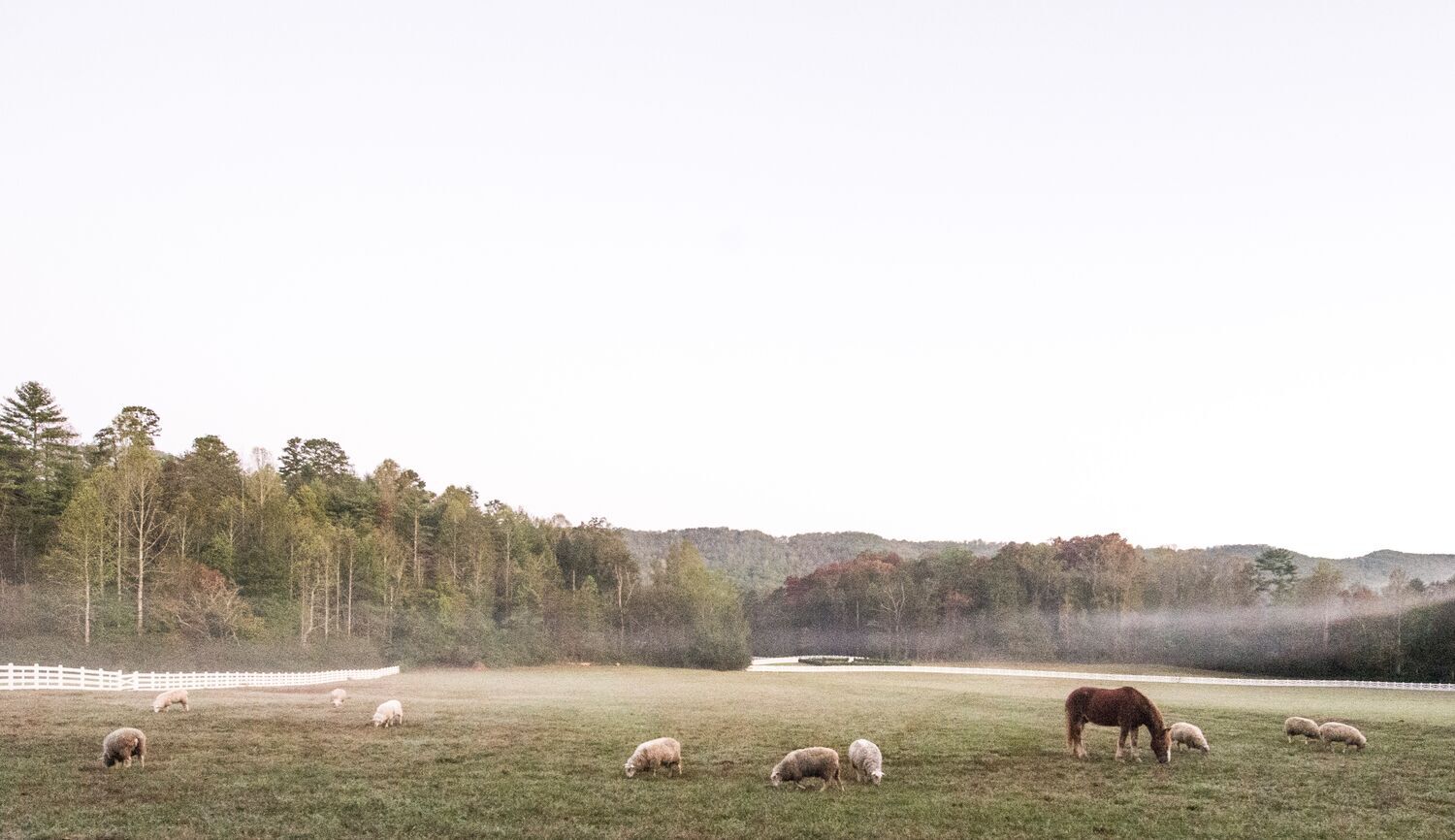
Willard and Abbot, two senior Belgian draft horses, came to stay with us for a few years not long after that. As it turned out, they both took very well to guarding the sheep. Horses are not always good guards (or even field companions) for sheep, but these two happily took up the role. They actively protected and stayed near the group. Even though they were enormous in comparison, they were very gentle with the sheep. The downside, of course, was that their giant hooves and hungry bellies were very hard on the pastures, and that decreased the number of sheep that we were able to keep. When Willard and Abbot got to an age that they needed a more closely monitored lifestyle, and an easy second retirement with no guard duties, we brought in the donkeys.
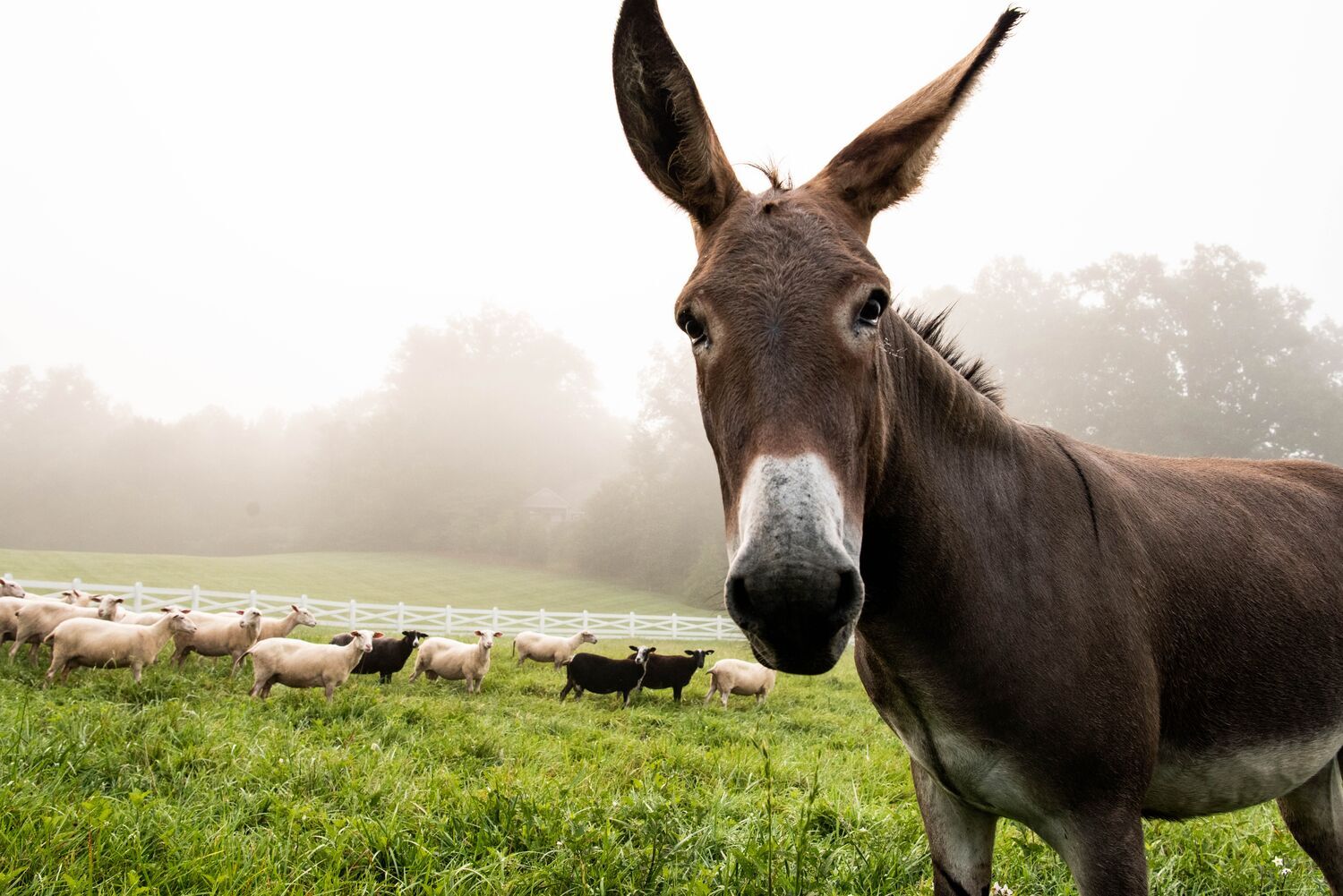
Jennies (female donkeys) often, but not always, make good livestock guard animals. They stay with the sheep and view them as a part of their herd to be protected. They tend to be very aggressive towards dogs/coyotes, in general, and are very aware of anything entering the field. Their form of protection is generally quiet. When something that they view as a threat enters the pasture, they approach it. If it still seems threatening, they will herd the sheep into a group and push them further away, then stand between the sheep and the threat. If the animal still continues to approach, they will attack. Donkeys do eat pasture, but not to the degree that a horse does. They are a great fit for our needs at Blackberry Farm right now, and we’re happy to have Daphne and Sally in the fields.
I should mention, too, that our turkeys, Mr. and Mrs. Tom, are also guard animals, although not of the sheep. They protect our chickens by the Dairy Barn from hawks during the day, and we’re thankful for their help too.
– Christen Waddell, Farmstead Director