
Story
Keeping your wines cool
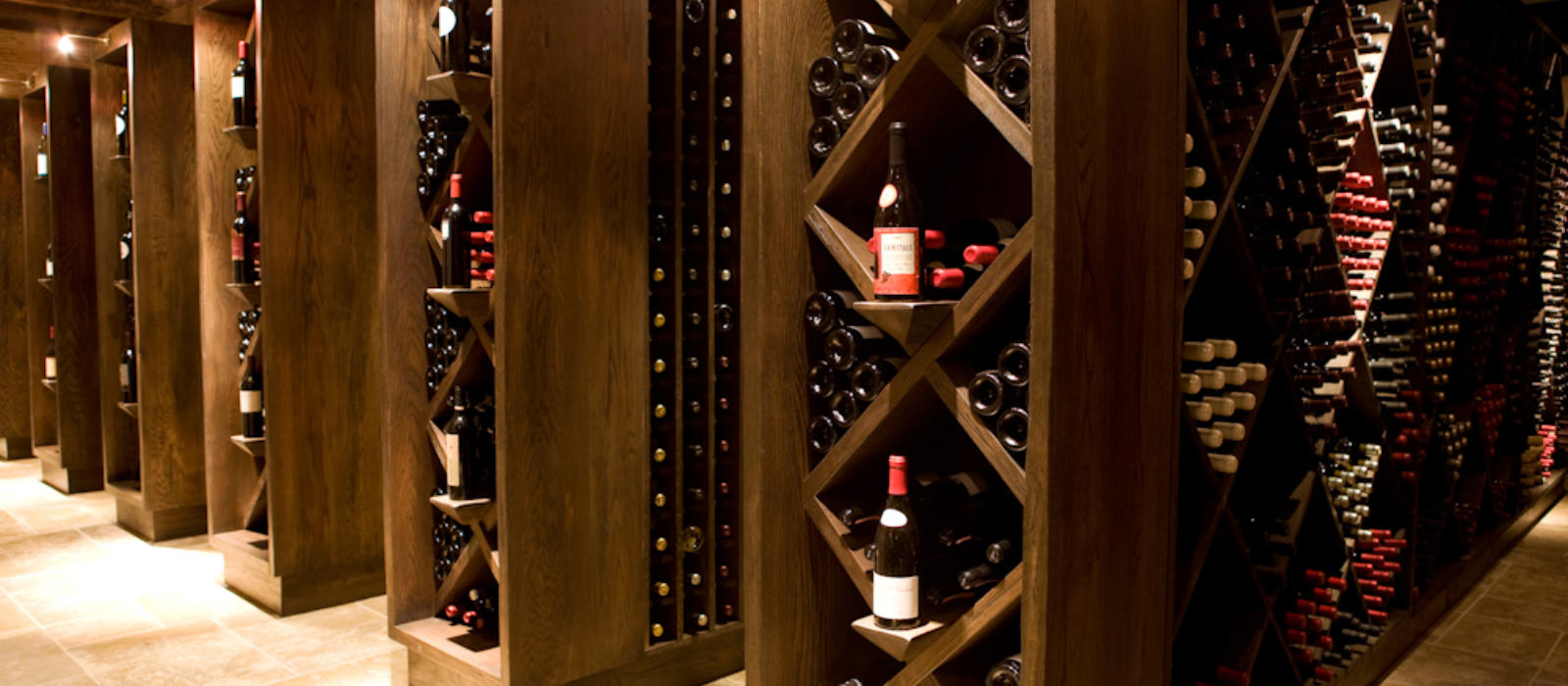
During the month of July, it makes good sense to spend some extra time in the cool of the wine cellars. If anyone asks what you’re doing, just let them know that you’re spending the hot hours of the day inventorying your wines!
Here are 5 tips to ensuring proper cellar ageing and many years of wine enjoyment:
1. Temperature is the number one focus area for cellaring wines. It’s true that a wine cellar that is 55 degrees Fahrenheit is nearly perfect for long term ageing but that’s not the whole story. Reducing temperature fluctuation to a medium is also incredibly important. Having a cellar where the temperatures climb to 65 or 70 degrees during the day and then dip down to 50 degrees at night is a nightmare for wine. You’ll find these wines ageing oddly quickly and oftentimes tasting oxidized at a young age. Try to find a cellar spot in your home where you can maintain a consistent temperature all year long from morning to night. That temperature can be anywhere from 50 to 64 degrees with great success.
2. Rest and relaxation – it works for wines as well. I can’t tell you the number of times I’ve been asked how often do we turn the bottles in our wine cellar. I think this is a simple confusion of riddling champagne as they are produced, a process that calls for vigorous turning and stamping of the bottles for reasons of removing sediment. For finished wines however, you want to keep your hands off as much as possible. Let them rest and just like a well-rested person, the wines will be full of life and vigor when time to open them and as an added bonus, if the wines have aged to the point at which sediment is present in the bottle, that sediment will all be on one side of the bottle and if you’re gentle, you’ll be able to decant the wine from the sediment easily.
3. Light is the enemy – Keep your wines in a cool, dark place. If you own a limestone cave in France, that would be ideal but short of that simply try to keep both artificial light and sunlight away from your wines. Ultraviolet light damages wines. Wines and beers are often bottled in colored bottles for this reason, but that’s not enough for long term ageing. Keep light and the heat that often accompanies light away from your wines.
4. Some humidity is a good thing – you want to keep your wines in a place that provides enough humidity to keep the corks from drying out. If that happens, the corks will shrink, allowing oxygen to enter the bottle which causes (get this) oxidation. Also, it can allow wine to seep out which is also not good because you would rather drink that juice. Additionally, you can aid the situation by ensuring the bottles are stored with the wine touching the cork which will also keep the cork moist thusly not allowing the shrinkage that can be damaging.
5. Drink wine! Wine collecting is certainly a fun hobby but enjoying wine is more than just collecting. Pop some corks, enjoy some wine and create special occasions (like celebrating the fact that it’s the second Tuesday of the month) if you don’t already have them. Your tastes will evolve as the years go by so you’ll want to create the extra room in your cellar anyways. Too often have I heard from a collector that they filled their cellar 10 years ago and now they would rather drink something else. Don’t fall victim to this. Leave room, buy wines selectively and don’t forget to enjoy the fruits of your labor.
Andy Chabot, Director of Food and Beverage
During the month of July, it makes good sense to spend some extra time in the cool of the wine cellars. If anyone asks what you’re doing, just let them know that you’re spending the hot hours of the day inventorying your wines!
Here are 5 tips to ensuring proper cellar ageing and many years of wine enjoyment:
1. Temperature is the number one focus area for cellaring wines. It’s true that a wine cellar that is 55 degrees Fahrenheit is nearly perfect for long term ageing but that’s not the whole story. Reducing temperature fluctuation to a medium is also incredibly important. Having a cellar where the temperatures climb to 65 or 70 degrees during the day and then dip down to 50 degrees at night is a nightmare for wine. You’ll find these wines ageing oddly quickly and oftentimes tasting oxidized at a young age. Try to find a cellar spot in your home where you can maintain a consistent temperature all year long from morning to night. That temperature can be anywhere from 50 to 64 degrees with great success.
2. Rest and relaxation – it works for wines as well. I can’t tell you the number of times I’ve been asked how often do we turn the bottles in our wine cellar. I think this is a simple confusion of riddling champagne as they are produced, a process that calls for vigorous turning and stamping of the bottles for reasons of removing sediment. For finished wines however, you want to keep your hands off as much as possible. Let them rest and just like a well-rested person, the wines will be full of life and vigor when time to open them and as an added bonus, if the wines have aged to the point at which sediment is present in the bottle, that sediment will all be on one side of the bottle and if you’re gentle, you’ll be able to decant the wine from the sediment easily.
3. Light is the enemy – Keep your wines in a cool, dark place. If you own a limestone cave in France, that would be ideal but short of that simply try to keep both artificial light and sunlight away from your wines. Ultraviolet light damages wines. Wines and beers are often bottled in colored bottles for this reason, but that’s not enough for long term ageing. Keep light and the heat that often accompanies light away from your wines.
4. Some humidity is a good thing – you want to keep your wines in a place that provides enough humidity to keep the corks from drying out. If that happens, the corks will shrink, allowing oxygen to enter the bottle which causes (get this) oxidation. Also, it can allow wine to seep out which is also not good because you would rather drink that juice. Additionally, you can aid the situation by ensuring the bottles are stored with the wine touching the cork which will also keep the cork moist thusly not allowing the shrinkage that can be damaging.
5. Drink wine! Wine collecting is certainly a fun hobby but enjoying wine is more than just collecting. Pop some corks, enjoy some wine and create special occasions (like celebrating the fact that it’s the second Tuesday of the month) if you don’t already have them. Your tastes will evolve as the years go by so you’ll want to create the extra room in your cellar anyways. Too often have I heard from a collector that they filled their cellar 10 years ago and now they would rather drink something else. Don’t fall victim to this. Leave room, buy wines selectively and don’t forget to enjoy the fruits of your labor.
Andy Chabot, Director of Food and Beverage