
Story
previously on farm stories
January in the Garden
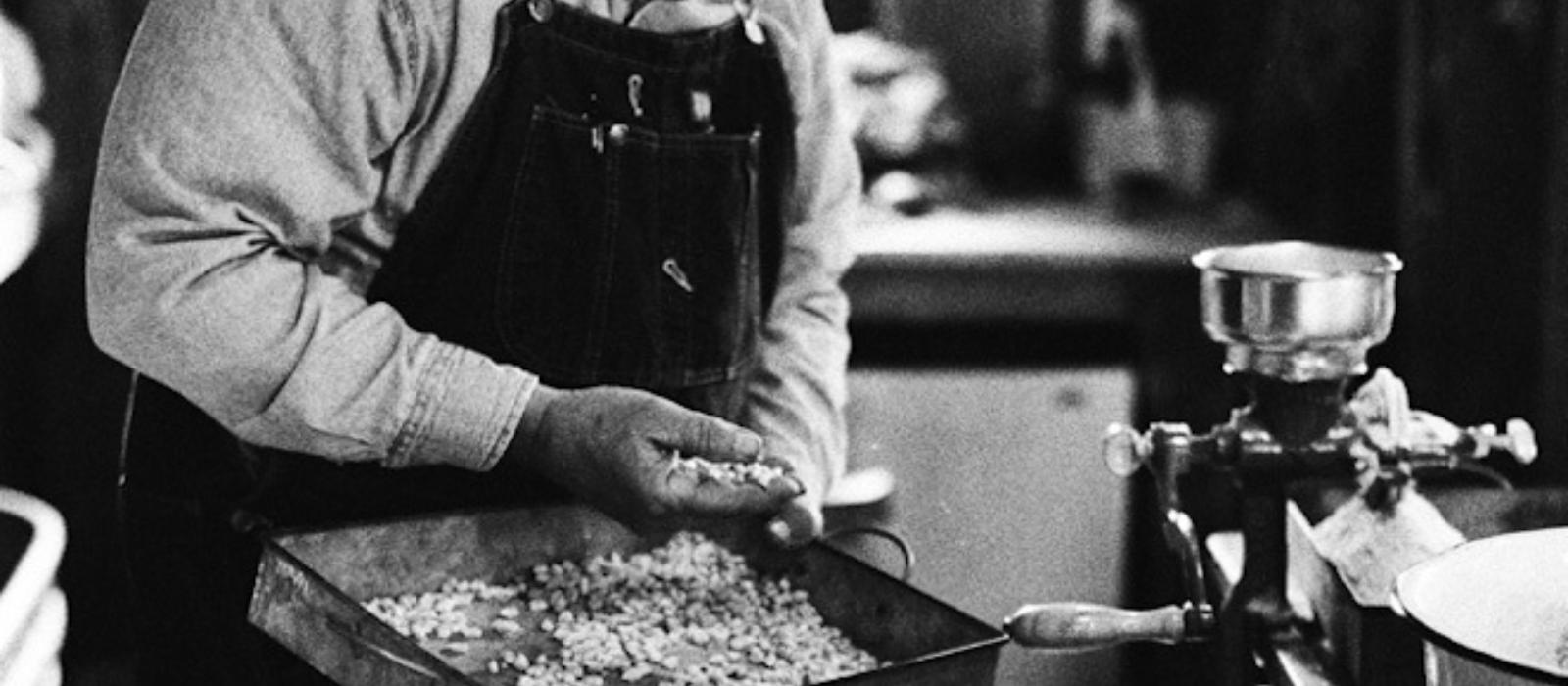
Long after the crops of Summer have been harvested and the Larder filled with canned goods from the Garden, work continues on the Farm.
Now is the time of the year when tasks can be completed that time didn’t allow for during the time filled growing season. The Winter season is well suited for cleanup work, and is the best time of the year for making new ground. Our ancestors would spend the Winter clearing land for new fields. Trees were cut and stumps pulled out with teams of mules. Tree roots would then be dug out and the new ground was ready for Spring planting. Grubbing is another task that is typically performed during the Winter months. Mattocks and grub hoes are used to dig bushes and sprouts and then growth out of fence rows, pastures and along the edges of fields. Unwanted growth can be mown, but then one must contend with the new growth which follows, because mowing only gives a temporary fix. I find in the long run to eliminate unwanted growth at the source, by grubbing our plant, roots and all. This is especially true when dealing with honeysuckle and privet hedge which spread rapidly.
January is also a good month to cut black locust and cedar trees for posts. Both will last in the ground for many years. January is also the best month to cut these trees because the sap is at its lowest at this time, which makes the curing time required much faster. There is always a need for more bean poles, tomato stakes and trellising material. On some occasions, brush that is cut from fencerows is used along with saplings to build a variety of support structures for gourds, cucumbers, tomatoes or any vining variety of beans, peas, butterbeans and ornamental flowering plants. On the days of extreme cold, snow or rain we spend time in the Garden Shed near the wood burning stove shelling seed from the Fall harvest. Dried peas, beans and butterbeans are for the chefs' use during the Winter months as well as for seed sales and conservation.
No matter which season we are in, there is always something going on down at the Farmstead.
– Master Gardener John Coykendall