
Story
previously on farm stories
In Early October
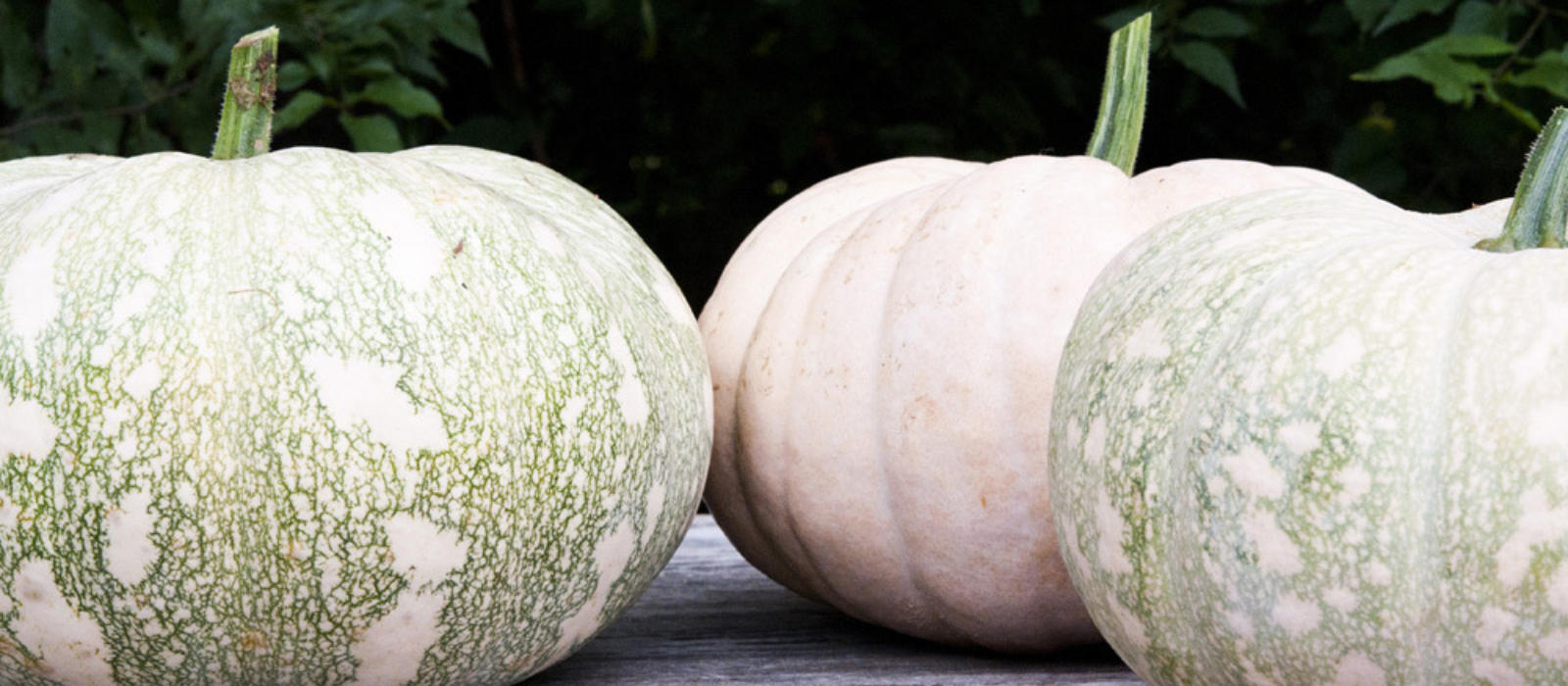
In early October, the Farm fields begin to take on the look of early Fall, and the cornfields begin turning color. Between the cornrows, the Kentucky Field Pumpkins – sometimes referred to as cornfield or colonial pumpkins – are beginning to turn from green to golden tan.
This old variety varies greatly in size and shape and can weigh from 15 to 50 pounds. The most common shape is similar to a large wheel of cheese with deep ribs, but others are oblong in shape with ribbing.
In times past, most of the cornfields had pumpkins growing in them, and at harvest time wagon roads would be cut through the field that were wide enough for a team of mules and wagon to pass through. Corn was pulled and thrown into one wagon and the pumpkins were loaded onto another.
Once harvested, the pumpkins were often stored in shuck cribs and covered over with corn shucks to prevent them from freezing during the Winter months. Pumpkins were also stored in barn stalls and covered with hay, and they were sometimes kept in root cellars and basements. As a food source, pumpkins were an important staple in our early pioneer family diets. They were used in soups, stews and for pie making, and they were also dried for late Winter and early Spring use when stores were beginning to run short. I recall a quote from the 1700s when it was stated that “we eat pumpkin in the morning, we eat pumpkin at dinner time and we eat pumpkin for supper. If it were not for pumpkins we would surely starve.”
Today, we are not forced to eat pumpkin at every meal, but our chefs at Blackberry come up with some wonderful creations using pumpkins, including traditional favorite pumpkin pie at Thanksgiving.
– John Coykendall, Master Gardener