
Story
Horseplay
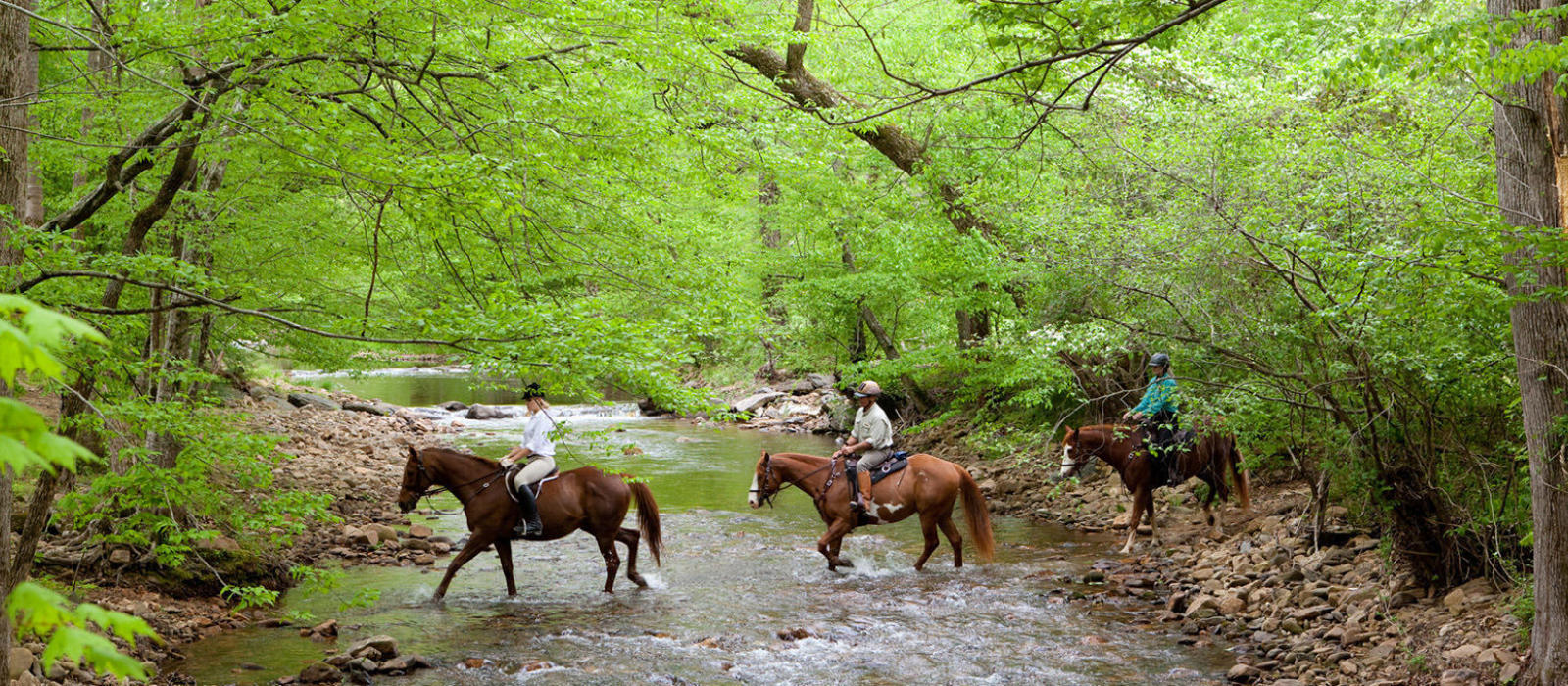
During my years with horses, I’ve learned about as much leaning on the fence as sitting in the saddle.
The range of equine interaction—from the subtle forward twitch of an ear and friendly nicker, to the piercing scream of anger and the romp of thundering hooves—all observed from the sidelines – tells us much that we need to know about working with equines.
These are complex and intuitive creatures. Their gestures to one another, carefully observed, help us to understand messages intended for us. What might be considered horseplay among exuberant equines, can be dangerous business when directed to humans, so it is important for us to get their meaning. Above all, I respect the power of the horse.
And they must respect mine.
A horse’s world is made up of many individuals, each with an established position. This organization gives strength to the herd and provides safety. By learning the language of the horse, we, as humans, have an opportunity (and obligation) to impress upon the horse our preferred status “in the herd.”
For our personal safety, we must establish our rank and leadership among horses. Fortunately for us, the horse readily accepts human leadership when it is communicated using gestures and sounds within the horse’s realm of understanding.
I’ve noticed some horses have a leadership style that is strong, yet benevolent. Others are harsh and cruel. As humans, we must be strong and benevolent leaders to gain the most effective relationship with the horse.
This interaction is aided through practice of a philosophy and discipline named “Natural Horsemanship.” Its implementation is insightful, emotional and powerful.
Before you step into the stirrup, come lean on the fence with us. Discover your place in the herd.
A Natural Horsemanship session pairs well with our Farmstead Ride or Field and Stream Ride.
Come play with us!
Carla Hawkinson, Master of Foxhounds, Tennessee Valley Hunt
Equestrian Program Manager, Blackberry Farm
chawkinson@blackberryfarm.com
865.273.8545 Stables
During my years with horses, I’ve learned about as much leaning on the fence as sitting in the saddle.
The range of equine interaction—from the subtle forward twitch of an ear and friendly nicker, to the piercing scream of anger and the romp of thundering hooves—all observed from the sidelines – tells us much that we need to know about working with equines.
These are complex and intuitive creatures. Their gestures to one another, carefully observed, help us to understand messages intended for us. What might be considered horseplay among exuberant equines, can be dangerous business when directed to humans, so it is important for us to get their meaning. Above all, I respect the power of the horse.
And they must respect mine.
A horse’s world is made up of many individuals, each with an established position. This organization gives strength to the herd and provides safety. By learning the language of the horse, we, as humans, have an opportunity (and obligation) to impress upon the horse our preferred status “in the herd.”
For our personal safety, we must establish our rank and leadership among horses. Fortunately for us, the horse readily accepts human leadership when it is communicated using gestures and sounds within the horse’s realm of understanding.
I’ve noticed some horses have a leadership style that is strong, yet benevolent. Others are harsh and cruel. As humans, we must be strong and benevolent leaders to gain the most effective relationship with the horse.
This interaction is aided through practice of a philosophy and discipline named “Natural Horsemanship.” Its implementation is insightful, emotional and powerful.
Before you step into the stirrup, come lean on the fence with us. Discover your place in the herd.
A Natural Horsemanship session pairs well with our Farmstead Ride or Field and Stream Ride.
Come play with us!
Carla Hawkinson, Master of Foxhounds, Tennessee Valley Hunt
Equestrian Program Manager, Blackberry Farm
chawkinson@blackberryfarm.com
865.273.8545 Stables