
Story
Growing your Wine Collection
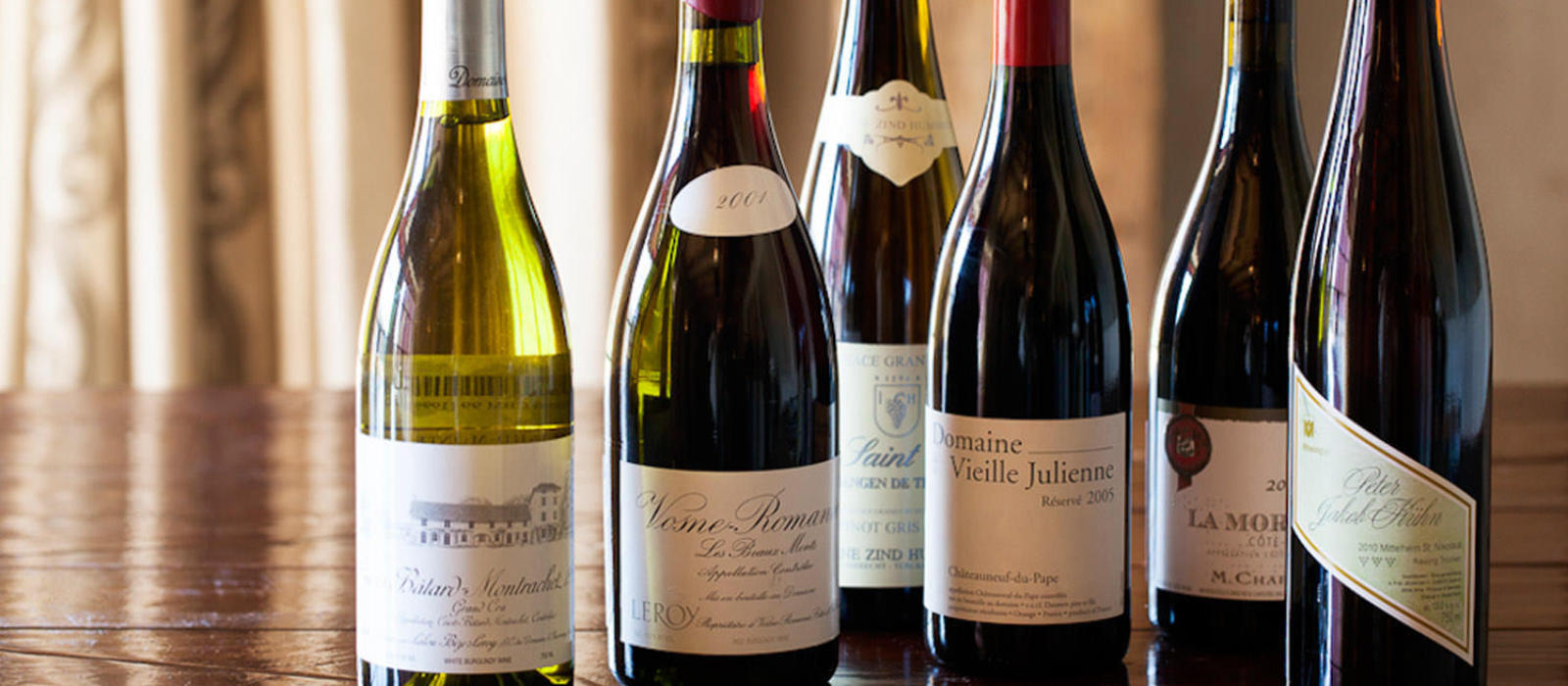
· To begin with – just like you don’t want only tomatoes in your garden because they don’t grow in every season and if they did, you’d be bored to death with them; you shouldn’t put just one style of wine in your collection. Seasons and years will change and with it the food and wines you want to enjoy, so take that into account when purchasing wines for your cellar.
· You’ll want to ensure that you have room to grow your collection. When creating a cellar, make extra space for the future and don’t fill it up right away.
· Your space should have a constant temperature (55 degrees F is the preferred temp but simply keep it between 50 and 60 and make sure it stays fairly constant for long term ageing).
· Your cellar space should stay dark – constant light ruins wine with the passing of time so keep it dark.
· You want humidity in your cellar – around 60%. Essentially a traditional basement or natural cave works well. It should feel a bit humid but not damp.
· There is one constant in life and that is change. This is true in wine collecting for sure. Your tastes will evolve through the years and through the seasons. I’ve talked with many collectors who got excited early on and filled their cellars to the brim with the wine that they loved at that moment. Five years later, they were trying to sell off a large part of their collection because they didn’t love that style of wine anymore. Think ahead. Talk with others who are collectors and see what they are putting in their cellar for the future. My hint here is to consider why “the classics” are called “the classics.” They are the most famous wines of the world that have a proven track record of aging. Bordeaux, Burgundy, Piedmont, Alsace, Rioja, Napa Valley, etc. You’ve heard of most of these and they can come with higher price tags, but I recommend putting some in your cellar early on. It will pay off later on for your drinking enjoyment.
· Remember others. Grandma might love drinking Chardonnay. You want to have that for her and drink it with her. Don’t make things hard on yourself. Put excellent versions of it in your cellar to have available for those occasions. It’s your cellar after all – even if you are sharing.
· Speaking of entertaining – At some point you will have the experience of someone else getting wine from your collection. You should take this into account because it often happens toward the end of the party when that special bottle you’ve been saving for your big anniversary might not be appreciated to the fullest extent. To protect your collection and to keep it growing the way you envisioned, make sure to put some great wines that are replaceable up front and accessible for these impulse wine grabs (it can protect you from yourself as well).
Andy Chabot
Director of Food and Beverage
There comes a time when a person, as a wine drinker, becomes a wine collector. It happens nearly by accident. You have a few bottles of a wine that you always like to have on hand, then you get a few “special” bottles and before you know it you’ve outgrown your first wine fridge. It’s a slippery slope and without a plan, you can find yourself with a lot of wine and no clear direction for your purchasing. So, here are a few tips for those enthusiasts who are growing their own collections:
To begin with – just like you don’t want only tomatoes in your garden because they don’t grow in every season and if they did, you’d be bored to death
with them; you shouldn’t put just one style of wine in your collection. Seasons and years will change and with it the food and wines you want to
enjoy, so take that into account when purchasing wines for your cellar.
You’ll want to ensure that you have room to grow your collection. When creating a cellar, make extra space for the future and don’t fill it up
right away.
Your space should have a constant temperature (55 degrees F is the preferred temp but simply keep it between 50 and 60 and make sure it stays fairly
constant for long term ageing).
Your cellar space should stay dark – constant light ruins wine with the passing of time so keep it dark.
You want humidity in your cellar – around 60%. Essentially a traditional basement or natural cave works well. It should feel a bit humid but not damp.
There is one constant in life and that is change. This is true in wine collecting for sure. Your tastes will evolve through the years and through
the seasons. I’ve talked with many collectors who got excited early on and filled their cellars to the brim with the wine that they loved at that
moment. Five years later, they were trying to sell off a large part of their collection because they didn’t love that style of wine anymore. Think
ahead. Talk with others who are collectors and see what they are putting in their cellar for the future. My hint here is to consider why “the classics”
are called “the classics.” They are the most famous wines of the world that have a proven track record of aging. Bordeaux, Burgundy, Piedmont,
Alsace, Rioja, Napa Valley, etc. You’ve heard of most of these and they can come with higher price tags, but I recommend putting some in your cellar
early on. It will pay off later on for your drinking enjoyment.
Remember others. Grandma might love drinking Chardonnay. You want to have that for her and drink it with her. Don’t make things hard on yourself. Put
excellent versions of it in your cellar to have available for those occasions. It’s your cellar after all – even if you are sharing.
Speaking of entertaining – At some point you will have the experience of someone else getting wine from your collection. You should take this into account because it often happens toward the end of the party when that special bottle you’ve been saving for your big anniversary might not be appreciated to the fullest extent. To protect your collection and to keep it growing the way you envisioned, make sure to put some great wines that are replaceable up front and accessible for these impulse wine grabs (it can protect you from yourself as well).
Andy Chabot
Director of Food and Beverage
· To begin with – just like you don’t want only tomatoes in your garden because they don’t grow in every season and if they did, you’d be bored to death with them; you shouldn’t put just one style of wine in your collection. Seasons and years will change and with it the food and wines you want to enjoy, so take that into account when purchasing wines for your cellar.
· You’ll want to ensure that you have room to grow your collection. When creating a cellar, make extra space for the future and don’t fill it up right away.
· Your space should have a constant temperature (55 degrees F is the preferred temp but simply keep it between 50 and 60 and make sure it stays fairly constant for long term ageing).
· Your cellar space should stay dark – constant light ruins wine with the passing of time so keep it dark.
· You want humidity in your cellar – around 60%. Essentially a traditional basement or natural cave works well. It should feel a bit humid but not damp.
· There is one constant in life and that is change. This is true in wine collecting for sure. Your tastes will evolve through the years and through the seasons. I’ve talked with many collectors who got excited early on and filled their cellars to the brim with the wine that they loved at that moment. Five years later, they were trying to sell off a large part of their collection because they didn’t love that style of wine anymore. Think ahead. Talk with others who are collectors and see what they are putting in their cellar for the future. My hint here is to consider why “the classics” are called “the classics.” They are the most famous wines of the world that have a proven track record of aging. Bordeaux, Burgundy, Piedmont, Alsace, Rioja, Napa Valley, etc. You’ve heard of most of these and they can come with higher price tags, but I recommend putting some in your cellar early on. It will pay off later on for your drinking enjoyment.
· Remember others. Grandma might love drinking Chardonnay. You want to have that for her and drink it with her. Don’t make things hard on yourself. Put excellent versions of it in your cellar to have available for those occasions. It’s your cellar after all – even if you are sharing.
· Speaking of entertaining – At some point you will have the experience of someone else getting wine from your collection. You should take this into account because it often happens toward the end of the party when that special bottle you’ve been saving for your big anniversary might not be appreciated to the fullest extent. To protect your collection and to keep it growing the way you envisioned, make sure to put some great wines that are replaceable up front and accessible for these impulse wine grabs (it can protect you from yourself as well).
Andy Chabot
Director of Food and Beverage