
Story
previously on farm stories
Fortified Wines for Valentine's Day
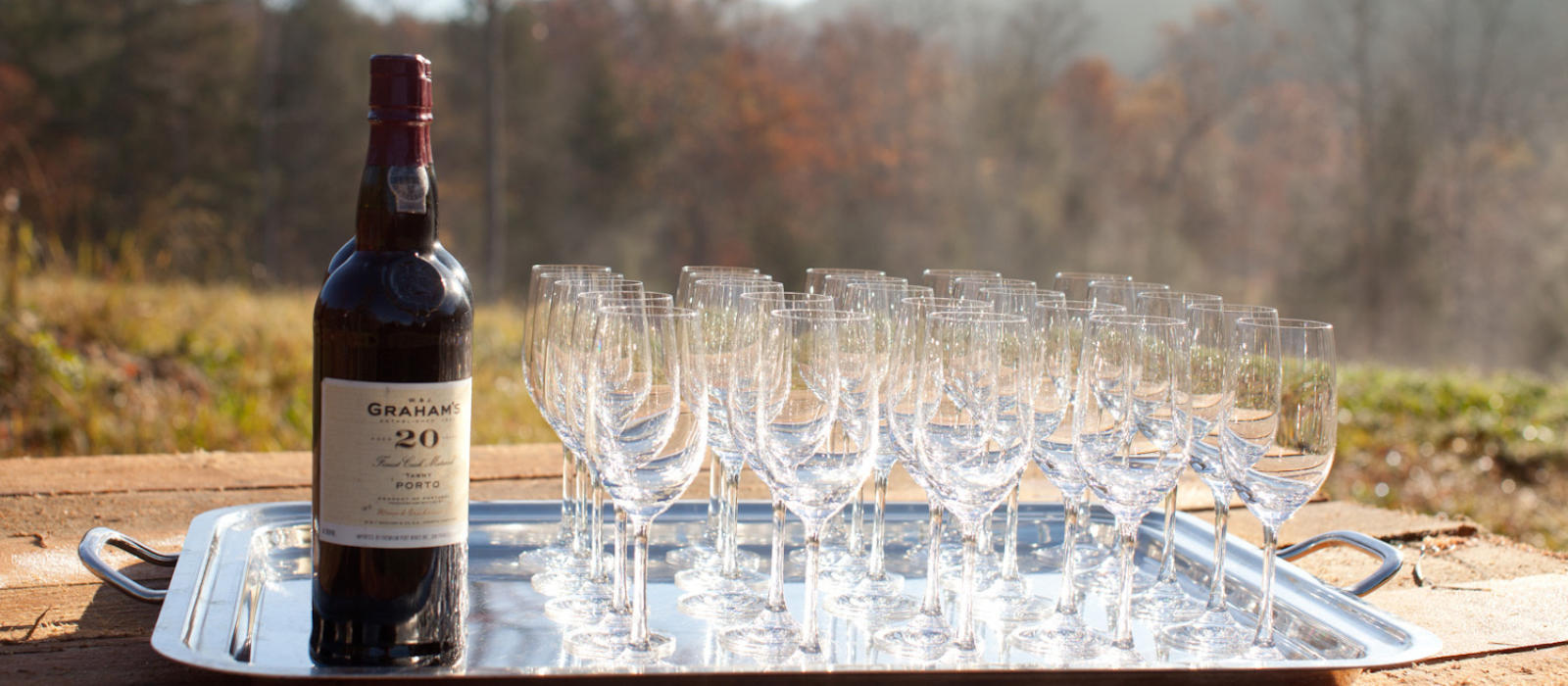
This February, with Valentine’s Day in mind, I’m devoting attention to the great fortified wines of this world. A bottle of fortified wine would be a way better gift than a box of chocolates on my opinion!
In some cases, these fortified wines are wines that we all know of such as Port. In other cases, these are wines from lesser known areas such as Rivesaltes. But being lesser known doesn’t make them lesser wines at all. This month, it’s this lesser known region of Rivesaltes on which I’m focusing.
Rivesaltes is a region in Southwestern France for wine production. French wine laws often dictate the production methods of wine if that wine is to bear a certain name on the label. To be called Rivesaltes, these wines undergo a process very similar to the process by which Port or Madeira are made. This process makes a wine that falls into the category of Vin Doux Naturelle or VdN for short.
This process goes like this: Grapes are picked when they are ripe and sweet. Grapes are crushed and that makes grape juice. This grape juice has naturally occurring sugar in it. Yeast feeds on that sugar and one of the by-products of that is alcohol. Usually wines are fermented until all the sugar is eaten up and the yeast dies from lack of food. That leaves a dry wine (a wine without noticeable sugar content).
However, if the winemaker wanted to make a sweet wine, they could do that by intervening and stopping the yeast before it eats all the sugar. If that happened, what would be left would be a wine that still had sugar in it, or a sweet wine. One way to stop the yeast is to raise the alcohol content in the fermenting wine up to a point at which the yeast cannot survive. That is the method by which VdN wines are made. You add brandy to wine while it’s fermenting and that brings the alcohol level up to the point at which the yeast cannot survive, they stop eating the sugar in the wine and you end up with a fortified wine that still has natural grape sugar in it causing it to be sweet or “Vin Doux Naturelle.”
One of the great things about this process is that both alcohol and sugar are natural preservatives so these wines can age for an incredibly long time without going bad. In fact, they get better. The sugars gently caramelize and oxidize over time creating the flavors of toffee and maple and the wine becomes more elegant and mellow. Many families in rural areas of the world made wine by this method so that they had something to drink that wouldn’t go bad, particularly before the onset of air conditioning. Some of these families left a few barrels of their best VdN wines ageing in cask for generations.
Enter the Gayal family. Philippe Gayal, has been travelling around his homeland of Southwestern France buying a few select barrels of these styles of wines from families who had some to sell. Remarkably, there were a few very rare older casks available. He bottled them and has released a limited quantity of these wines to the market.
For February, we are excited to be pouring a bottling of Rivesaltes harvested in 1950 as well as a rare bottling harvested in 1874 (it’s so old, that the it predates the term “Rivesaltes!”) We’ll be pouring these by the glass all month long and they are a perfect end to a meal.
Andy Chabot, Food and Beverage Director