
Story
previously on farm stories
Fly Fishing High on a Mountainside
As we release one of the many pretty little rainbows of the day, my guests turns to me and says “This is great – fishing at eye level. You can’t really get this anywhere I have ever fished.” It was a hot Summer day, and to avoid crowds and high water temperature, the decision to seek higher elevations was the key to success. “Eye level” were his words to describe watching fish after fish rise to dry flies presented to the many plunge pools of the high gradient and high elevation stream we snuck our way into. Tactfully easing our way up the stream, we would find ourselves just behind a boulder, casting into pools that were literally at eye level.
We often use warmer Summer days as an excuse to sneak off to one of the many higher elevation streams of the Great Smoky Mountains National Park. Getting higher in elevation is the ticket to Summer success in the Smokies. As ambient air temperatures rise, so does the temperature of the water. By gaining elevation, we seek cooler water. The high elevation streams also provide refuge from the many often crowded streams that come with fishing in the most visited national park in the United States. These tributary creeks are usually smaller in size and full of eager fish that typically don’t receive much pressure. Their opportunistic nature also offers great opportunities for dry fly fishing in small pocket water streams.
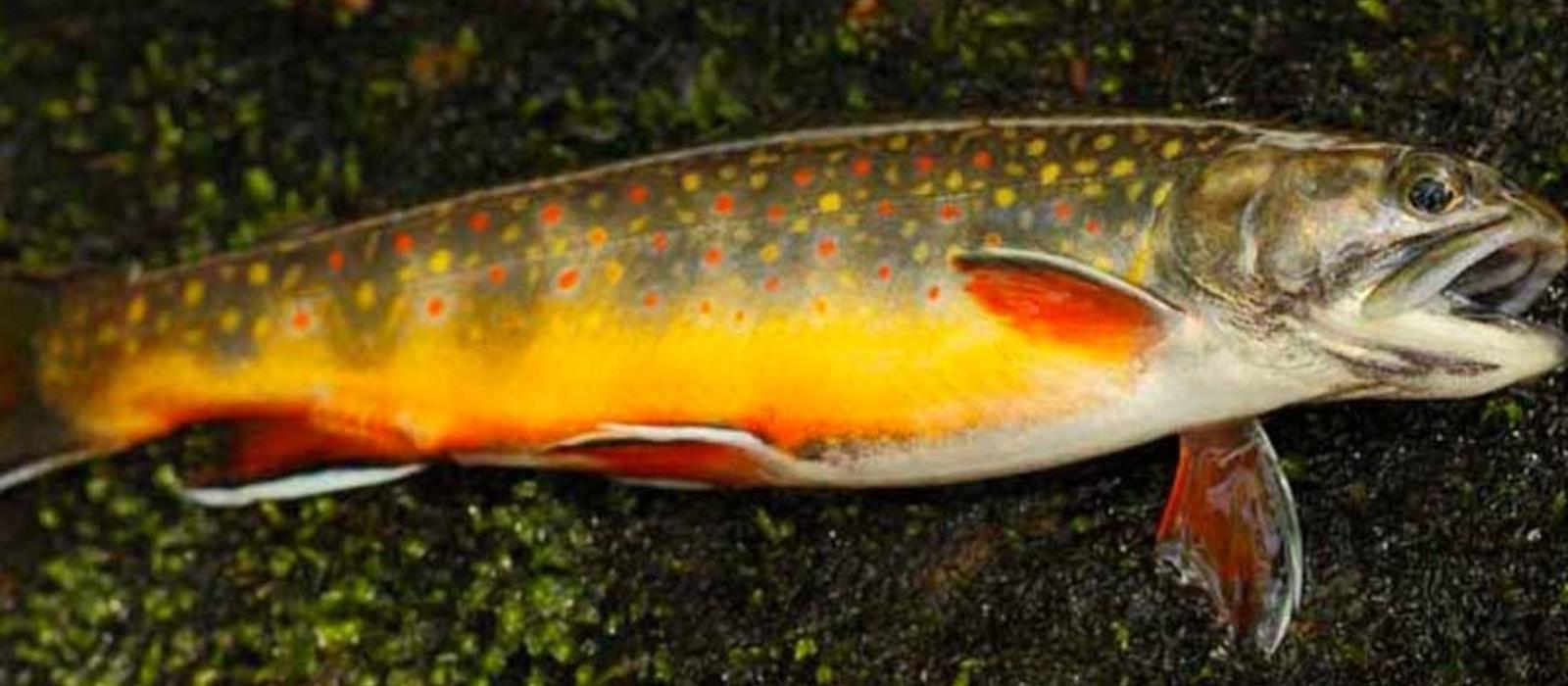
The fish that inhabit these beautiful mountain streams are typically not all that big, and therefore the prize is not found in the size of the fish, but instead in the entire experience. In fact, our true native brook trout seldom exceed 8-9 inches in length. However, having a stream to oneself in the midst of the natural charm of the southern Appalachian Mountains is an experience worth having in and of itself. The chance to fool a few of the trout that abide in such a stream is often seen as an added bonus at the end of the day.
Dry flies are a personal favorite for Summer mountain fish, as I love nothing more than seeing a splashy rise from a wild mountain brook or rainbow trout. Here are a few tips for catching Summer trout in the Smokies:
- Higher elevation fish are easily fooled with a heavily hackled or bushy dry fly. Look to standard attractor patterns like the Royal or Tennessee Wulff to be consistent producers, along with yellow flies such as the Neversink caddis and stimulator.
- Terrestrial insects make up the majority of a Smoky Mountain trout’s diet throughout the Summer, so don’t overlook ant and beetle patterns to provide great Summer action.
- With lower water levels, stealth is vital. Work your way up stream slowly and methodically while paying attention to not cast a silhouette over your desired fishing spots. Our fish are small and spooky. Wear subdued colors to improve your chances of sneaking up in wary fish.
- The strikes on a dry will be fast. “Get your mind right” and settle into a state of constant anticipation so that when you see that splash you are ready to set the hook.
- Getting away from the roadways and into the back country can increase your chances of success and really add to the experience. It also puts you into the areas where our native brook trout live.
- If you find yourself in brook trout water, save some time at the end of the day to head down to a lower elevation stream to try your hand at catching a rainbow and brown trout to complete the Smoky Mountain “triple crown” – all three species in one day.
Enjoy your time on the water.
– Alex Quick, Fly Fishing Manager