
Story
previously on farm stories
Fall Colors
The bright colors blanketing the mountain sides set the stage for an angler’s fall experience in the Smoky Mountain National Park. In the moment it can be quite a quandary, the season’s falling leaves seem to seek out every opportunity to snag a well place fly and steel it from an eagerly feeding trout. It can seem that just as the fly enters the area where you “just know” the fish is…the hook catches a freshly fallen leaf. One look up the stream presents a beautiful portrait of red, orange, and yellow streaming down the mountain flow. But the exciting splash of an enthusiastic, wild mountain trout picking off a high floating dry fly between the passing leaves keeps us in the game, willing to pull leaf after leaf from the flies hook in the hopes of pulling out the other wonderful piece art work of fall that comes from below the water’s surface.
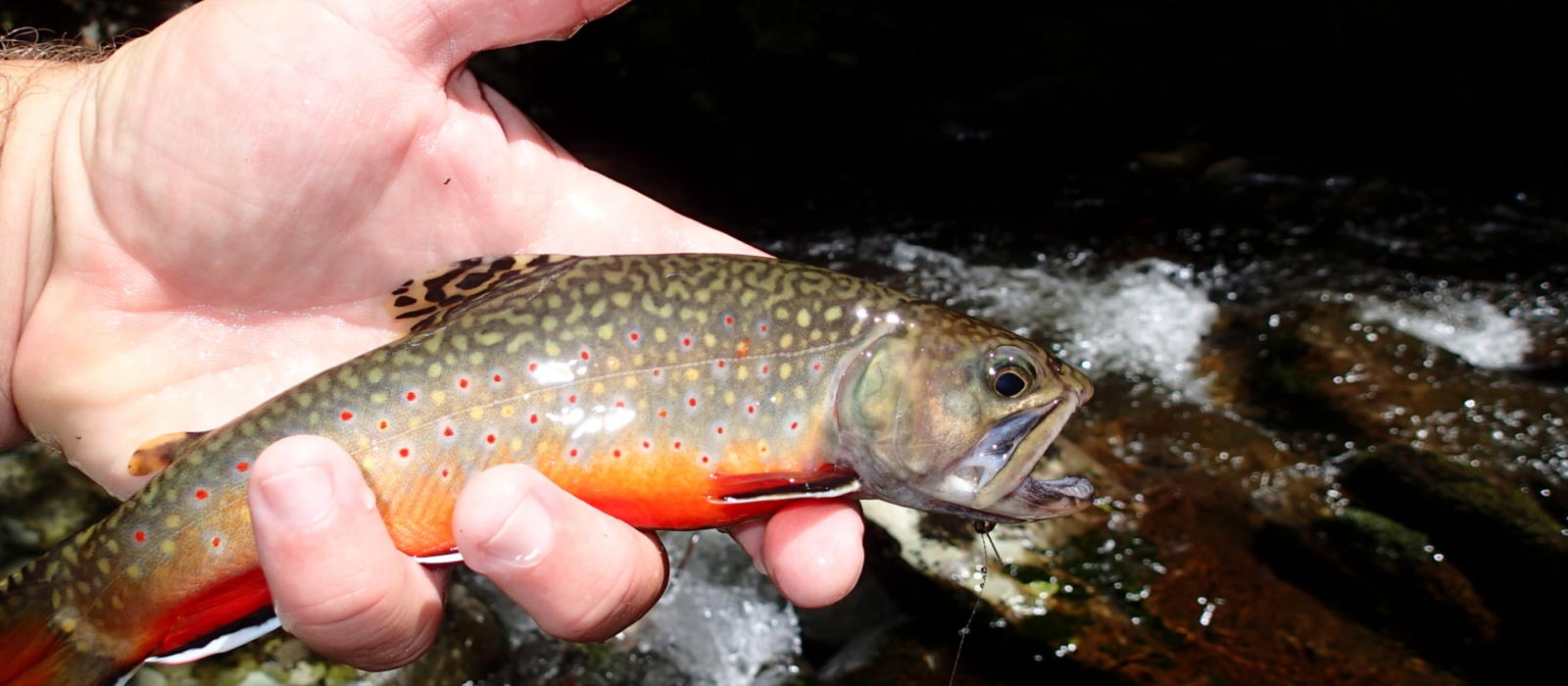
As the cool late summer nights give way to the comfortable temperatures of autumn, the mountains again transform. As anxiously as we await the emergence of spring, we also anticipate the coming of fall. Not only do the changing leaves provide spectacular colors for the day’s adventure, but so can the fish. Brown and brook trout are both fall spawning species. As this time approaches, the fish will take on vibrant colors as they present themselves to each other. The already gorgeous little fish of the Smokies will show bright hues of yellow, red, and orange. As the time to spawn draws close, we do lay off of these Smoky Mountain gems, staying out of their way as much as we can. But in weeks preceding we take every opportunity to catch these fish as they feed up before the approaching winter months. This “fall frenzy” provides some of our favorite fishing opportunities of the year. Dry flies or subsurface, fall brings with it beautiful scenery and great fishing.
Dry fly fishing is still our favorite way to fish for fall mountain trout. Laying flies between the parade of floating leaves can be rewarded by splashy takes. Much like the rest of the year, we favor high floating dry flies. An orange stimulator is a fall favorite. The large October Caddis flies that start to appear in late September set the precedent for big orange fly patterns. We also tie an orange foam bodied caddis fly to imitate the bug. Other standby patterns, such as the parachute Adams, will draw fish to the top along with most other attractor patters. Larger nymph patterns can also be productive below the surface. A hare’s ear or pheasant tail nymph will produce most days, as will stone fly patterns like a prince nymph.
Whether it be dry flies on the surface or patterns fished below, perhaps the biggest joy to fall fishing is taking time to enjoy the theater in which you pursue the fish. In between drifts or maybe while you take a second to pull a fallen leaf from your fly, take time out of the experience to enjoy the colors of fall….
Small fish and big memories….
Alex Quick, Fly Fishing Manager