
Story
Covering Water
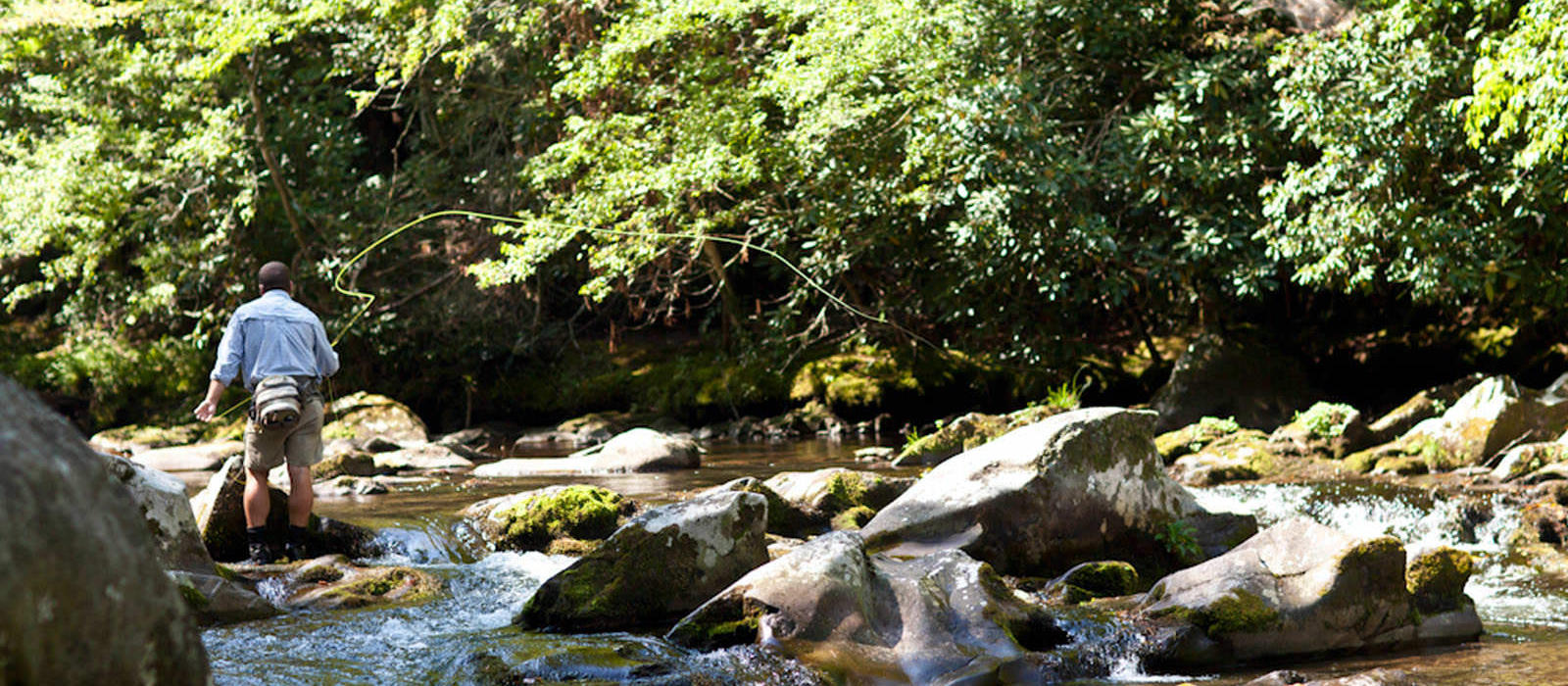
As the tailgate closes we flash a quick smile at each other. Summer has set in and it is the heat and humidity that is noticeable. But we have committed for the day, we are going to hike in for a while before we ever start to fish. As we walk along the river, bypassing beautiful water as we go, the urge to stop and fish grows stronger. Again we flash a quick smile at each other. The back drop and sounds of the river make for a gorgeous walk, the conversation is quite enjoyable as well, but the urge to start fishing grows with each mile we put on our feet. We stop a minute at a few select holes as I recount memorable fish, or maybe to point out unique features or history, wipe the sweat from our brow, and then we continue on. About four miles in, we reach the water I have planned for the day. We haven’t seen another fisherman now for at least a mile or two along the stream, and that’s one of the things we hoped for on the day. With our toes in the cool water we take a quick inventory of the scene. We have already forgotten about the hike in. It is a rising fish under the low hanging rhododendron to concern ourselves with now. So we set to work, spending little time in each spot. We softly lay the dry fly on the water’s surface from target to target as we move our way up the stream somewhat methodically, constantly moving as we go. The feisty little mountain fish are eager to slap the dry. We stop only to release the fish we are quick enough to catch, and of course for lunch. The hike out will come soon enough. For now we have found what we came for..
As summer moves along, we begin to seek out less visited water and cooler, high elevation streams. The Smokies angler has many challenges on his plate. With the Smoky Mountains National Park being the most visited National Park in the United States, one could assume the fish see a lot of people as well. As the lower elevation streams warm with the summer temperatures and the fish grow weary of the traffic, the keen angler seeks out roads less traveled. We take these opportunities to combine the two most popular activities within this great park, hiking and fly fishing. Often if one is willing to hike much more than a mile, great fishing with less pressured fish can be found. And obviously the farther and higher you go, the cooler and more tranquil the water. What a combination for enjoying a summer afternoon in southern Appalachia, cool water and tranquility!
Aquatic insects can become quite scarce in the Smokies streams throughout the summer. Fish become much more dependent on terrestrial insects such as ants and beetles as the summer wears on. For the angler willing to hike in to less pressured water, the fish are typically willing to slap at a well placed dry fly as it floats downstream. This is especially true of fish that have seen few anglers over the course of the year. With opportunistic fish in the waiting, an angler need not spend much time in one spot. We often make only three or four presentations to a likely spot before moving our way up these small high elevation streams. Staying mobile yet stealthy can be vital to success once you are on the water. Two keys to summer fishing in the backcountry streams of the Smokies are a stealthy approach and covering water.
We typically plan for longer days for these back country trips. Not only can the fishing be great on hike in trips, but the scenery can be just as breathtaking. From small secluded waterfalls to picturesque pools, the magnificent theater in which these small wild fish live in often is payment enough for the angler dedicated enough to seek them out. From more commonly known streams to unknown blue lines on the map, adventure awaits the Smokies angler with more than 800 miles of fishable water within the borders of the Park. Let go on an adventure!
Small fish and big memories…
Alex Quick
As the tailgate closes we flash a quick smile at each other. Summer has set in and it is the heat and humidity that is noticeable. But we have committed for the day, we are going to hike in for a while before we ever start to fish. As we walk along the river, bypassing beautiful water as we go, the urge to stop and fish grows stronger. Again we flash a quick smile at each other. The back drop and sounds of the river make for a gorgeous walk, the conversation is quite enjoyable as well, but the urge to start fishing grows with each mile we put on our feet. We stop a minute at a few select holes as I recount memorable fish, or maybe to point out unique features or history, wipe the sweat from our brow, and then we continue on. About four miles in, we reach the water I have planned for the day. We haven’t seen another fisherman now for at least a mile or two along the stream, and that’s one of the things we hoped for on the day. With our toes in the cool water we take a quick inventory of the scene. We have already forgotten about the hike in. It is a rising fish under the low hanging rhododendron to concern ourselves with now. So we set to work, spending little time in each spot. We softly lay the dry fly on the water’s surface from target to target as we move our way up the stream somewhat methodically, constantly moving as we go. The feisty little mountain fish are eager to slap the dry. We stop only to release the fish we are quick enough to catch, and of course for lunch. The hike out will come soon enough. For now we have found what we came for..
As summer moves along, we begin to seek out less visited water and cooler, high elevation streams. The Smokies angler has many challenges on his
plate. With the Smoky Mountains National Park being the most visited National Park in the United States, one could assume the fish see a lot
of people as well. As the lower elevation streams warm with the summer temperatures and the fish grow weary of the traffic, the keen angler
seeks out roads less traveled. We take these opportunities to combine the two most popular activities within this great park, hiking and fly
fishing. Often if one is willing to hike much more than a mile, great fishing with less pressured fish can be found. And obviously the farther
and higher you go, the cooler and more tranquil the water. What a combination for enjoying a summer afternoon in southern Appalachia, cool
water and tranquility!
Aquatic insects can become quite scarce in the Smokies streams throughout the summer. Fish become much more dependent on terrestrial insects such as ants and beetles as the summer wears on. For the angler willing to hike in to less pressured water, the fish are typically willing to slap at a well placed dry fly as it floats downstream. This is especially true of fish that have seen few anglers over the course of the year. With opportunistic fish in the waiting, an angler need not spend much time in one spot. We often make only three or four presentations to a likely spot before moving our way up these small high elevation streams. Staying mobile yet stealthy can be vital to success once you are on the water. Two keys to summer fishing in the backcountry streams of the Smokies are a stealthy approach and covering water.
We typically plan for longer days for these back country trips. Not only can the fishing be great on hike in trips, but the scenery can be just as breathtaking. From small secluded waterfalls to picturesque pools, the magnificent theater in which these small wild fish live in often is payment enough for the angler dedicated enough to seek them out. From more commonly known streams to unknown blue lines on the map, adventure awaits the Smokies angler with more than 800 miles of fishable water within the borders of the Park. Let go on an adventure!
Small fish and big memories…
Alex Quick
As the tailgate closes we flash a quick smile at each other. Summer has set in and it is the heat and humidity that is noticeable. But we have committed for the day, we are going to hike in for a while before we ever start to fish. As we walk along the river, bypassing beautiful water as we go, the urge to stop and fish grows stronger. Again we flash a quick smile at each other. The back drop and sounds of the river make for a gorgeous walk, the conversation is quite enjoyable as well, but the urge to start fishing grows with each mile we put on our feet. We stop a minute at a few select holes as I recount memorable fish, or maybe to point out unique features or history, wipe the sweat from our brow, and then we continue on. About four miles in, we reach the water I have planned for the day. We haven’t seen another fisherman now for at least a mile or two along the stream, and that’s one of the things we hoped for on the day. With our toes in the cool water we take a quick inventory of the scene. We have already forgotten about the hike in. It is a rising fish under the low hanging rhododendron to concern ourselves with now. So we set to work, spending little time in each spot. We softly lay the dry fly on the water’s surface from target to target as we move our way up the stream somewhat methodically, constantly moving as we go. The feisty little mountain fish are eager to slap the dry. We stop only to release the fish we are quick enough to catch, and of course for lunch. The hike out will come soon enough. For now we have found what we came for..
As summer moves along, we begin to seek out less visited water and cooler, high elevation streams. The Smokies angler has many challenges on his plate. With the Smoky Mountains National Park being the most visited National Park in the United States, one could assume the fish see a lot of people as well. As the lower elevation streams warm with the summer temperatures and the fish grow weary of the traffic, the keen angler seeks out roads less traveled. We take these opportunities to combine the two most popular activities within this great park, hiking and fly fishing. Often if one is willing to hike much more than a mile, great fishing with less pressured fish can be found. And obviously the farther and higher you go, the cooler and more tranquil the water. What a combination for enjoying a summer afternoon in southern Appalachia, cool water and tranquility!
Aquatic insects can become quite scarce in the Smokies streams throughout the summer. Fish become much more dependent on terrestrial insects such as ants and beetles as the summer wears on. For the angler willing to hike in to less pressured water, the fish are typically willing to slap at a well placed dry fly as it floats downstream. This is especially true of fish that have seen few anglers over the course of the year. With opportunistic fish in the waiting, an angler need not spend much time in one spot. We often make only three or four presentations to a likely spot before moving our way up these small high elevation streams. Staying mobile yet stealthy can be vital to success once you are on the water. Two keys to summer fishing in the backcountry streams of the Smokies are a stealthy approach and covering water.
We typically plan for longer days for these back country trips. Not only can the fishing be great on hike in trips, but the scenery can be just as breathtaking. From small secluded waterfalls to picturesque pools, the magnificent theater in which these small wild fish live in often is payment enough for the angler dedicated enough to seek them out. From more commonly known streams to unknown blue lines on the map, adventure awaits the Smokies angler with more than 800 miles of fishable water within the borders of the Park. Let go on an adventure!
Small fish and big memories…
Alex Quick