
Story
Christmas Notes from the Farmstead
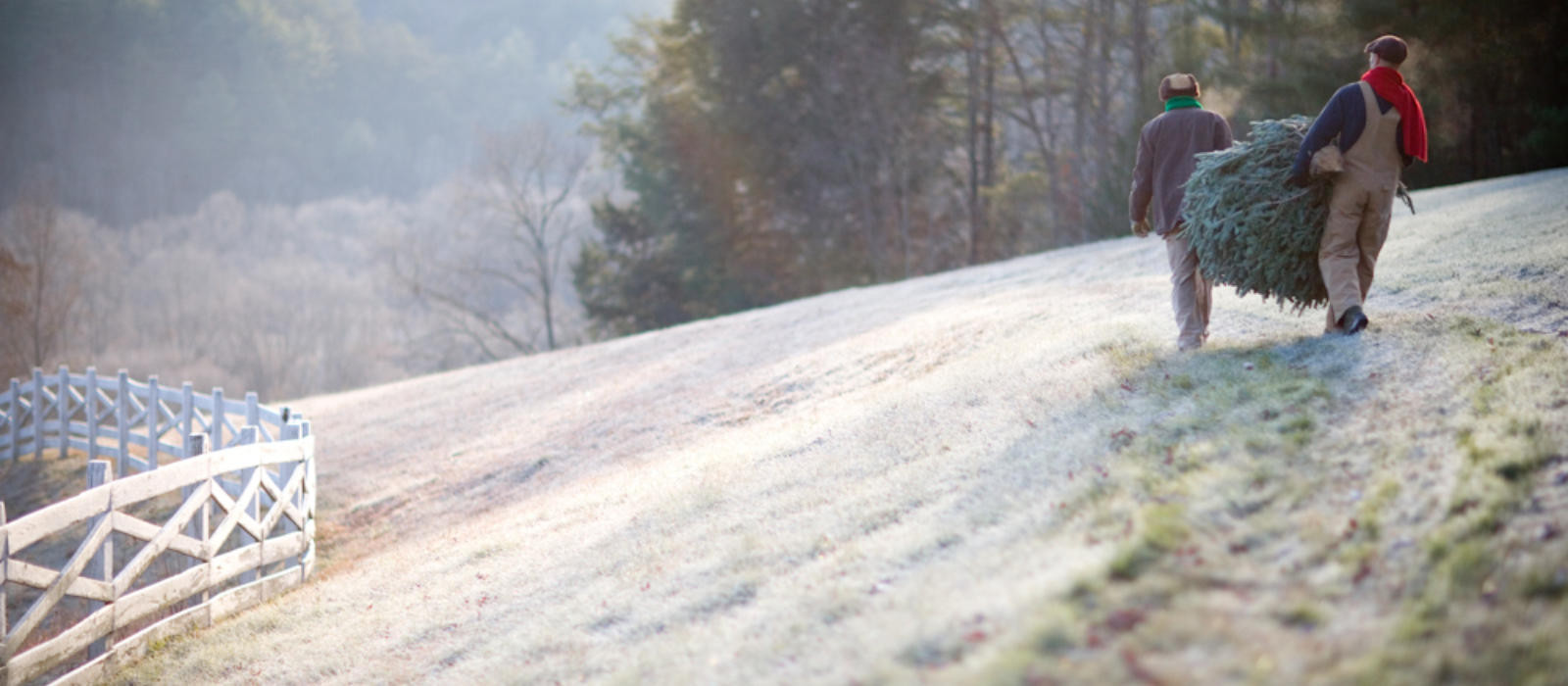
Going back in time, well more than 100 years ago, Christmas in the remote regions of the mountains was quite different from anything that we would recognize today. Many families were far removed from city or town areas, and others could not afford to buy Christmas presents even if they were close enough to a town to do so. In may cases, families did what they referred to as “making do” and that meant using the natural resources in your area to decorate with and build toys for the children.
Store bought decorations were unheard of, but there was an abundance of wild decorating material growing in the nearby wooded areas. Mistletoe was sometimes hung from front porch rafters and native holly greenery with there bright red berry clusters would decorate the interior’s of the cabins. Pine and cedar served as Christmas tree’s and were decorated with mistletoe, holly, strings of popcorn, sweetgum and sycamore balls.
Children’s toys, for the most part, were made at home as well. Girls would get hand-crafted dolls which were often cornhusk dolls with cornsilk used for hair. Rag dolls were also common in those days.
For the boys in the family, “bulger wagons” were made by their fathers. These small wagons consisted of a wide board, two axles with wheels made from hickory and were steered by placing their feet on both sides of the front axle. There was also a small wagon tongue with a handle so that the wagon could be pulled as well.
Corncobs were used to make darts. A sharpened nail was stuck into the cob and feathers were used to finish the darts. Spinning gourds were another popular item, and were often taken to school to be used during playtime. If a child was very fortunate, they might find a couple of oranges, apples and a bunch of raisins in their stockings. I have known many that never got more than that for Christmas.
I once asked an old couple what they had for Christmas dinner when they were growing up, and their answer was “anything that we could get, anything we could get.”
In the mountains, bear, venison, wild turkey, rabbit or anything else that could be hunted might appear on the Christmas table. Turnips, greens of different types such as kale, collards and mustards were common. Vegetables from the root cellar such as pickled corn, pickled beans, cabbage, onions and carrots were everyday fare during the winter and Christmas.
Some of the old favorites desserts included black walnut stack cakes, dried apple stake cakes, sweet potato and pumpkin pies and fried apple pies.
For the most part, most families did quite well for “making do.”
John Coykendall, Master Gardener
Going back in time, well more than 100 years ago, Christmas in the remote regions of the mountains was quite different from anything that we would recognize today. Many families were far removed from city or town areas, and others could not afford to buy Christmas presents even if they were close enough to a town to do so. In may cases, families did what they referred to as “making do” and that meant using the natural resources in your area to decorate with and build toys for the children.
Store bought decorations were unheard of, but there was an abundance of wild decorating material growing in the nearby wooded areas. Mistletoe was sometimes hung from front porch rafters and native holly greenery with there bright red berry clusters would decorate the interior’s of the cabins. Pine and cedar served as Christmas tree’s and were decorated with mistletoe, holly, strings of popcorn, sweetgum and sycamore balls.
Children’s toys, for the most part, were made at home as well. Girls would get hand-crafted dolls which were often cornhusk dolls with cornsilk used for hair. Rag dolls were also common in those days.
For the boys in the family, “bulger wagons” were made by their fathers. These small wagons consisted of a wide board, two axles with wheels made from hickory and were steered by placing their feet on both sides of the front axle. There was also a small wagon tongue with a handle so that the wagon could be pulled as well.
Corncobs were used to make darts. A sharpened nail was stuck into the cob and feathers were used to finish the darts. Spinning gourds were another popular item, and were often taken to school to be used during playtime. If a child was very fortunate, they might find a couple of oranges, apples and a bunch of raisins in their stockings. I have known many that never got more than that for Christmas.
I once asked an old couple what they had for Christmas dinner when they were growing up, and their answer was “anything that we could get, anything we could get.”
In the mountains, bear, venison, wild turkey, rabbit or anything else that could be hunted might appear on the Christmas table. Turnips, greens of different types such as kale, collards and mustards were common. Vegetables from the root cellar such as pickled corn, pickled beans, cabbage, onions and carrots were everyday fare during the winter and Christmas.
Some of the old favorites desserts included black walnut stack cakes, dried apple stake cakes, sweet potato and pumpkin pies and fried apple pies.
For the most part, most families did quite well for “making do.”
John Coykendall, Master Gardener