
Story
previously on farm stories
Black Walnuts
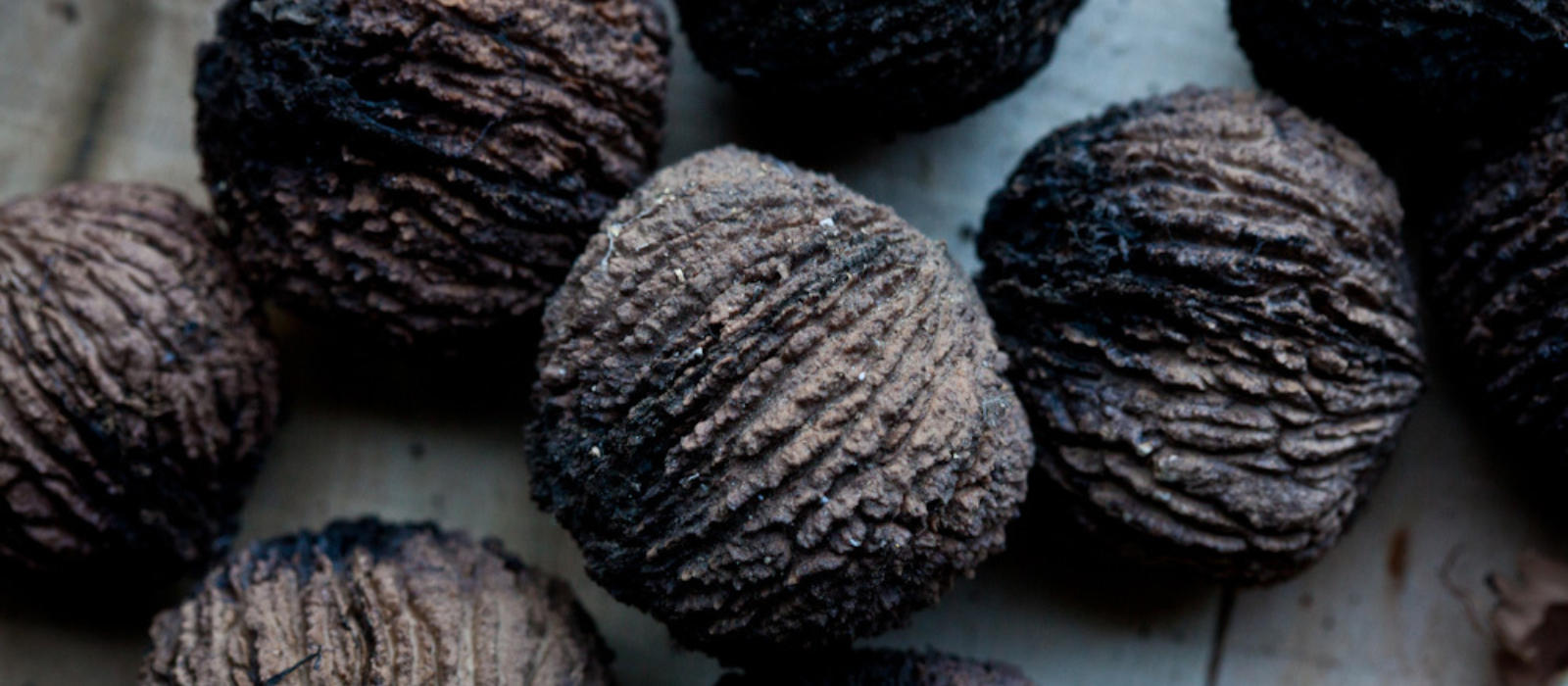
Black Walnut trees are among the last to leaf out in the Spring, signaling that Spring has officially arrived. During the late Spring, small green walnuts begin forming and continue their growth throughout the growing season until in September they begin falling from the trees and continue into November. Walnut trees have been prized for centuries for lumber as well as for the nuts that they bear.
Over the years, the lumber has been in great demand for furniture making. The heartwood of the walnut is dark in color and finishes out to a dark grained tone that is almost black. I have my great grandmother’s walnut bed stand that dates to the early 1800s in Campbell County, Tennessee.
Black walnuts have thick hulls which contain a deep brown dye. When the dark dye gets on your hands or clothing, it is hard to remove. During the 1800s, the hulls were boiled down in cast iron kettles, and the dark brown dye was used to make ink and to dye confederate uniforms, which is where the term “butternuts” came from, referring to soldiers wearing their uniforms. Black walnuts have a very unique, rich flavor and have been used over the years in many baked goods recipes, including one of my favorites – walnut stack cake. When our pioneer ancestors first arrived in East Tennessee, walnuts were an important staple during the Winter months, as were hickory nuts and any other wild food that could be foraged.
– John Coykendall, Master Gardener