
Story
previously on farm stories
Awake in Winter
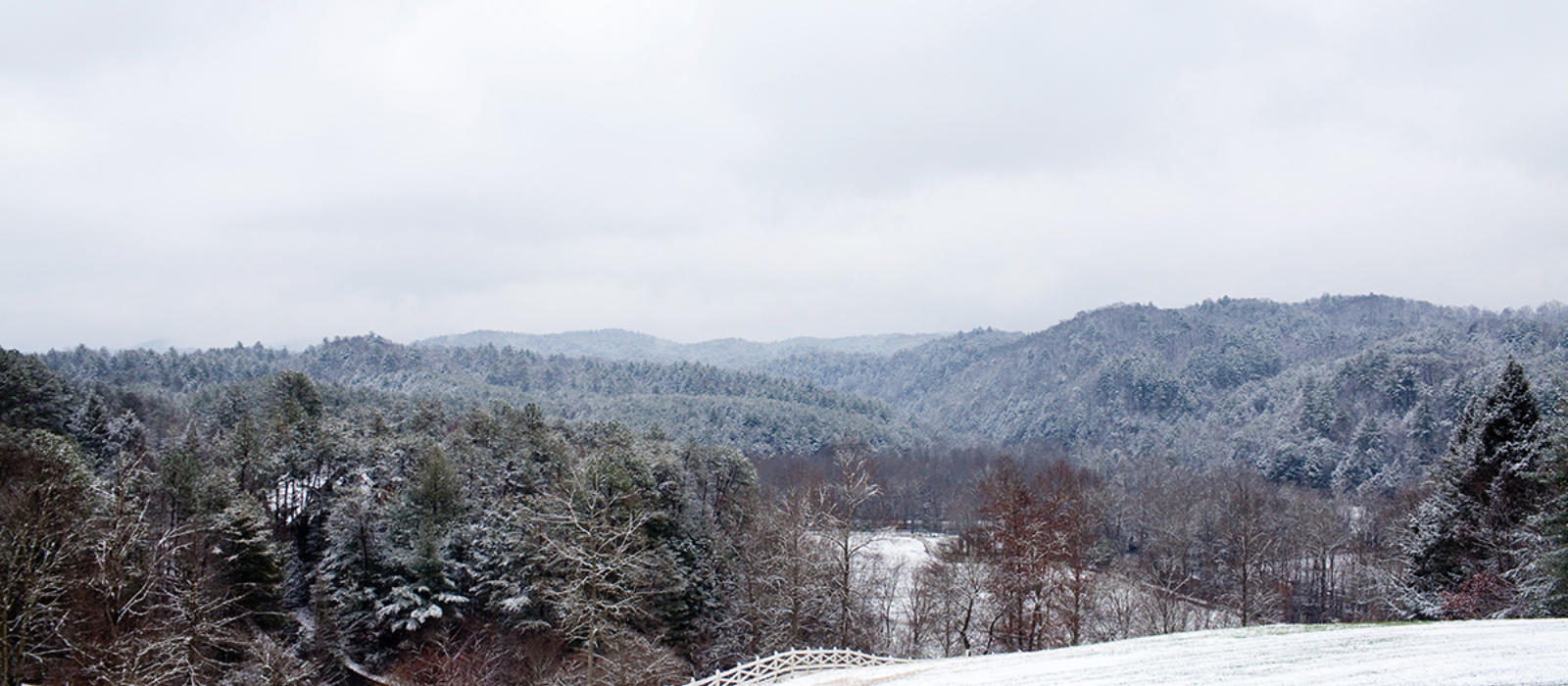
Gone now are the vibrant hues of Autumn. Still, what beauty there is to be found in the woods!
It will only be seen by the few bold souls who venture forth undeterred by the naysayers' testimony of the bleak and dreary world that now huddles down amid the blackened boles of the trees and waits for Spring.
The sun shines unimpeded on the forest floor. The majestic Beech alone stands royally attired in robes of burnished copper, filtering the light to shades of cinnamon. The effect is that of standing in some ancient cathedral, the shattered stained-glass windows harking back to its former glory. The Beech is in and of itself worth the cold of Winter.
Throughout the sylvan realm of this arboreal monarch march loyal subjects of the King. Like wise men they come, each one bearing their own special gift in low slung, herbaceous arms.
Here is Partridge Berry, festooned with plump red berries. This plant is food and medicine for man and beast alike. Starchy now, they will sweeten as Winter progresses until the kind-eyed Hermit Thrush plucks them off in February. Look closely at the ruddy orbs! There you will see two perfectly round scars where two beautiful white, trumpet-shaped flowers once collaborated to form this single fruit. These little scars differentiate Partridge Berry from other red berries in the forest that may or may not be edible. A handful of them is said to have similar properties to baby aspirin, while copious quantities are reputed to cause uterine contractions! So, enjoy them in moderation.
Battalions of Shining Club Moss catch the eye. These venerable old plants are arraying themselves for battle with tiny sword-like spore cases coated with what looks like gold dust. Breezes that would not reach them, far below the canopy of Summer, now whisk their gilded offspring away to hidden cloisters in the forest where they will muster little armies of their own. So, in effect, it is love and not war that they make. These spores are highly combustible and were used for flash photography before magnesium shavings replaced them. Also highly antiseptic, Civil War surgeons would collect them and rub a thin coat of them on their hands before surgical procedures in order to reduce the risk of infection. Once established, it will take these tiny spores seventeen years to reach their mature adult form, so when encountered, these plants should definitely engender respect.
Boyd Hopkins, Head Naturalist