
Story
A Growing Herd
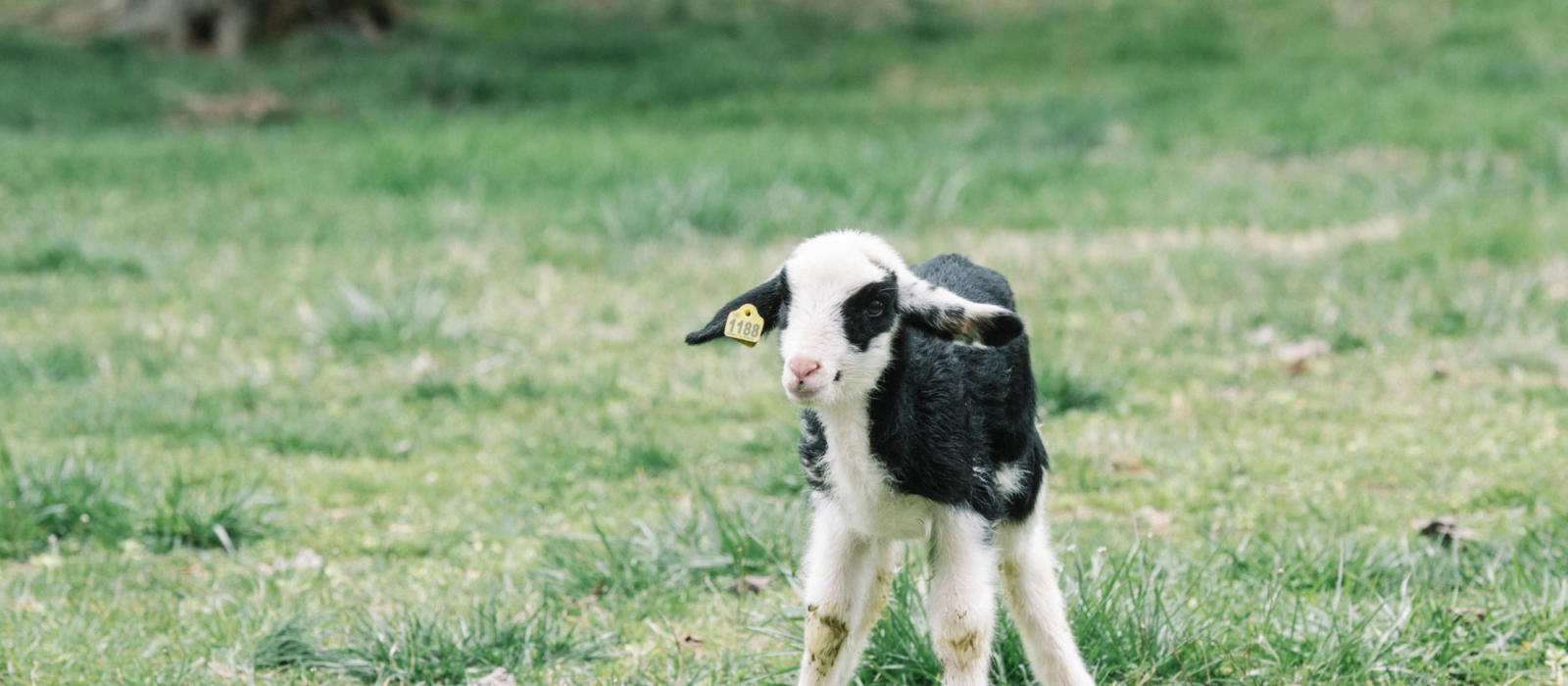
Springtime welcomes in new growth all around the farm, from beautiful pink redbud bulbs to bright green grass filling the fields. But perhaps the most energetic new life we are welcoming too the Farm are the lambs being born in our flock!
We have more than 35 lambs playing in the pastures, and it’s certainly brought the Farm to life.
If you’ve ever seen the lambs on the Farm, you know they’re just as entertaining as they are cute. Livestock Manager Christen Waddell watches over the sheep and enjoys a front row seat as our herd grows each Spring. She shared some insight on our lambs and how they grow.
The first time that a ewe – an adult female sheep – has lambs, she often only has one. After that first year, twins are the most common, and triplets are relatively frequent as well.
Almost immediately after birth, the lambs will begin attempting to stand and nurse. Their mothers encourage them with nudges and gentle noises. This is an important bonding time between mother and lamb.
Lambs will nurse very frequently for the first month, getting small amounts every hour. The mothers will slowly wean them, and by two months, the lambs are mainly eating what they forage for and can be completely weaned from milk. They eat grass, forbs, hay and a little bit of grain.
Lambs are extremely social. As they begin to get a little more confident, usually when they’re a couple of weeks old, the lambs will form a group and adventure away from their mothers together to play for a while during the day. They run around, jumping off of whatever they can find. They will even jump onto their mothers' backs. (They also like to sleep on top of their mothers' backs when the ground is wet, which is really cute!)
Ewes are very protective of their babies. If they feel something is threatening their lambs, they will charge and stomp at it. They will usually knock away lambs that aren't theirs and only let their own lambs nurse. If their lambs get too far away, they call for them, going to get them if they don't come. Each sheep knows the voice of its own mother. They also recognize each other by sight, and studies have shown that sheep remember more individuals for a longer period of time than humans can. Sheep have very good memories and are especially good at remembering patterns.
Sheep will usually keep growing and maturing until about 12-18 months, but they technically start to reach maturity at about eight months.