
Article
Harness the Ultimate Rush
photo by Gabriel L'Heureux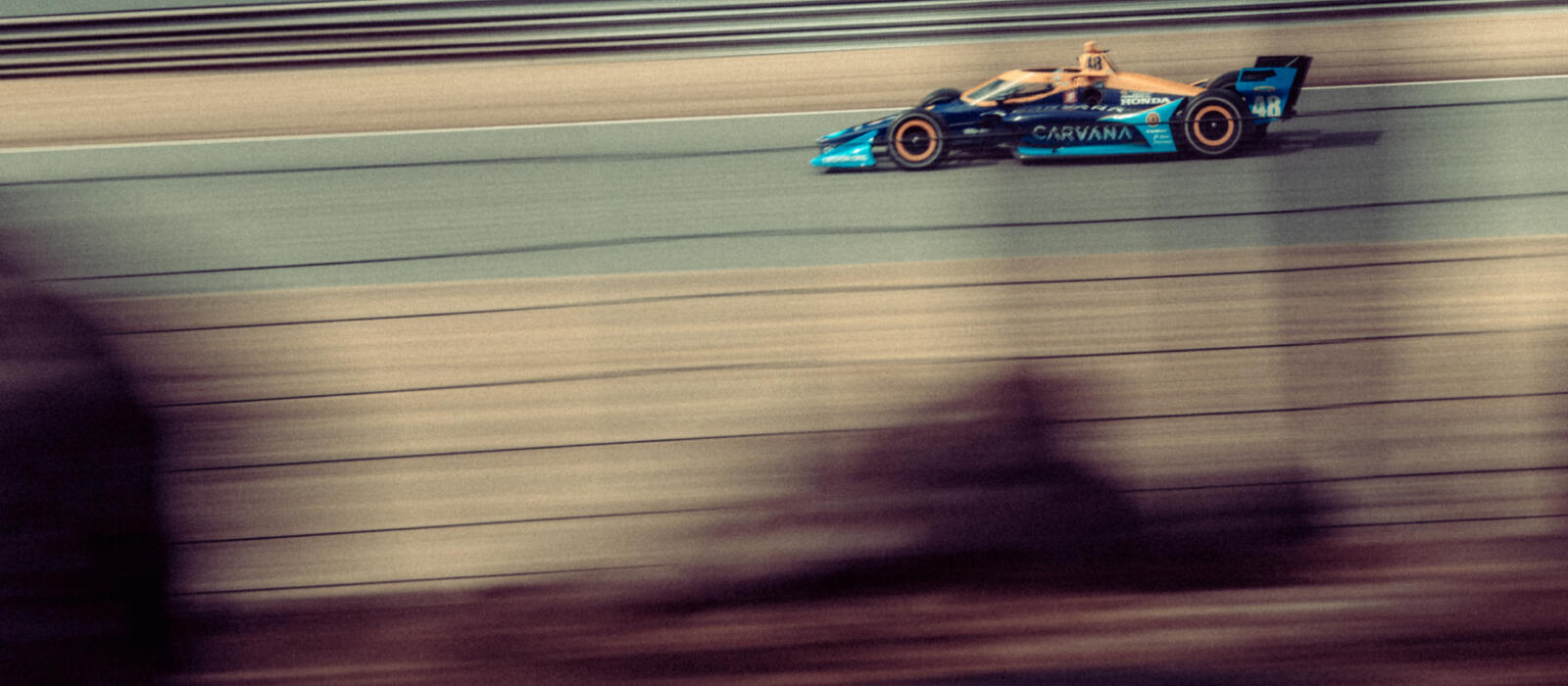
Adrenaline manifests itself in many ways. For some people, it’s a nervous, butterflies-in-the-stomach sensation that arises at the start of a 5K race or as they walk on stage for a speaking engagement. For others, it’s a surge of energy that makes them feel invincible before they skydive out of a plane or pick up the cadence on their bike to overtake a competitor. How individuals respond to adrenaline reveals a lot about how they handle stress, says Dr. Kevin Sprouse, owner of Podium Sports Medicine in Knoxville, Tenn. Adrenaline is another word for the hormone epinephrine, which prepares the body’s sympathetic nervous system to respond to emotional or physical stress. When the stress response is triggered, our adrenal glands release stress hormones including adrenaline, dopamine and noradrenaline, explains Dr. Sprouse. “This surge of hormones creates a physiological and neurological response,” he says. “A person’s heart rate and blood pressure increase. They may start to sweat. Their pupils dilate. Extra oxygen gets sent to the brain increasing alertness. From an evolutionary standpoint it predisposes you to perform well in difficult situations.”
The ability to channel anxiety into adrenaline is what sets great athletes apart, he says. “There are talented athletes with incredible VO2 max capacity and hand-eye coordination who cannot manage adrenaline in the competitive moment,” he says. When it comes down to the wire, nerves get the best of them.” The massive release of energy from an adrenaline rush can feel like you’ve just had a big cup of coffee, says Dr. Sprouse. It can leave you jittery or hyper focused. “Nervous energy can be wasted, pacing before a race,” he says, “or harnessed and used to give you that extra push when you have nothing left in the tank. You have to mentally manipulate the physical reaction to your advantage.” Here, four self-described adrenaline junkies share how they’ve learned to channel nervous energy into their secret weapon behind the wheel of a race car, on stage, in the kitchen and on the bike.
Jimmie Johnson
Seven-time NASCAR Cup Series champion-turned IndyCar racer
“I certainly do crave adrenaline. I ultimately seek it out many times a week. My race weekends make sense for that experience, but I also get a similar rush when I’m on my mountain bike, road bike or motorcycle. I certainly do focus more in those moments, and I love the accountability that comes with it. I even like the uncomfortable nature that comes with pressure and the adrenaline that comes from the pressure. I think adrenaline can be driven from a lot of things but, in any form, it makes me feel alive.”
Tai Beauchamp
Speaker and co-founder of Brown Girl Jane, a plant-based wellness and beauty brand
“As a person who speaks publicly for a living, there was a time when adrenaline felt more like a bad boyfriend than a helpful bestie. When I first began hosting television 13 years ago, I remember feeling sweaty and having brain fog when I’d go on air. It was stressful. I later learned to make friends with what naturally happens in our body when we are called to task. I remember, literally, having conversations with "fear" and the uneasiness. Tell it, I appreciate it's presence and know that it is here to help me produce my best work and be my best self. Over time, the practice helped. Today, I’ve learned to use adrenaline as a source of energy and fuel.”
Mari Holden
World champion cyclist and Olympic silver medalist
“The worst thing you can do as an athlete is waste energy, which is essentially what adrenaline is. Some people let adrenaline take over. It makes them more fearful. It paralyzes them. It’s easy to get really nervous at high-pressure events like the Olympics, but I use adrenaline to shift my mindset; to help me find a flow state. It helps me block everything else out and focus. It gives me a heightened awareness so I can dial everything in to achieving my goal. Adrenaline, when harnessed the right way, helps you to go deeper than you normally would to pull out a great performance.”
John Feathers
Executive Chef of the Main House at Blackberry Farm
“Adrenaline addiction is probably why some people are life-long line cooks. It gets in your blood. You’re always looking for that next rush. When dinner service hits peak, the kitchen has to be in a rhythm to maintain consistency. There might be six tickets for orders arriving at one time, and you have to be in constant communication with your team, and in flow, so you don’t turn around and bump into someone. It’s definitely an adrenaline dump and can be hard to come down from. After 12 hours on my feet, I take the edge off by going to the gym. I put on ACDC and do a heavy workout. It lets me channel that energy in a different arena.”