
Article
For the Love of the Ride
photo by Sarah Rau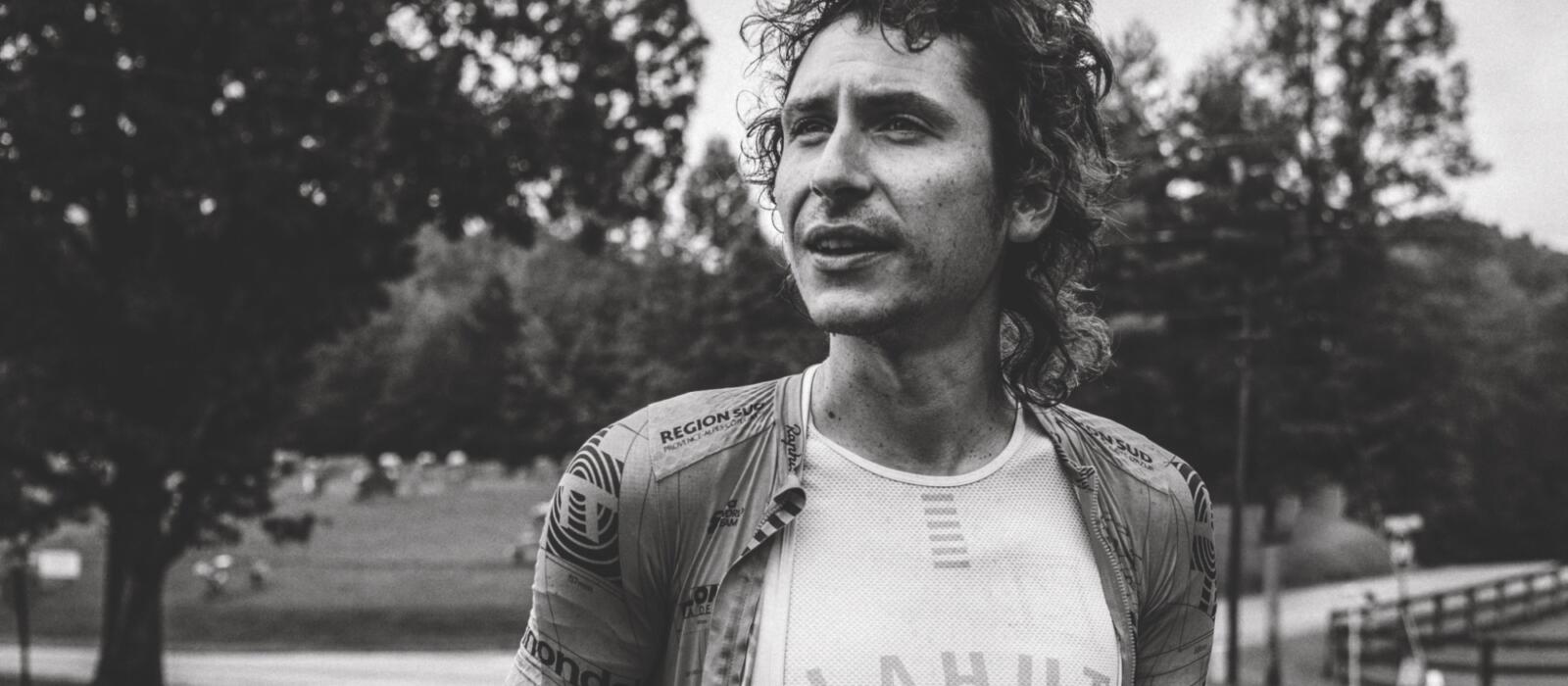
In its purest sense, cycling is about freedom. Hop on a bike and the possibilities for adventure are limited only by how far you can pedal. But the pressures of training and competing at an elite level make many pros feel more like slaves to the saddle.
Australian cyclist Lachlan Morton distinctly remembers when a sport he loved since age seven started to feel more like an obligation. At age 19, Lachlan joined the Garmin-Sharp development team and was quickly heralded as the sport’s next great climbing prodigy.
Hobbies, like soccer and motor bike racing, suddenly became distractions, as did family and friends. Riding a bike was his singular focus and ultimately his identity. The numbers on his bike’s power meter dictated whether he’d have a good or bad day. “I was very obsessive about the way I’d train and about how I approached cycling in general,” he reflects. “It led to some very unhealthy behaviors that served me well to get to the top level but were unsustainable in the long run.”
During the 2013 season, Lachlan, then 21, turned heads winning the best young rider category in both the Tour of Utah, considered America’s toughest stage race, and the USA Pro Challenge, a weeklong stage race through the Colorado mountains. He stood on the podiums, accepted the flowers and yellow jerseys, smiled for the cameras, but quietly wondered if the personal sacrifices were worth what everyone else considered success. The reality of making a living from cycling was very different from his childhood dream. “I was winning races, but there was no passion,” he says. “I was riding for the paycheck, and it was all I knew how to do. I felt stuck.”
Lachlan’s older brother Gus experienced similar burnout and disillusionment with the sport. Gus, two years older, competed with Australian team Drapac Porsche between 2008 and 2010 before retiring to attend fi lm school. In December 2013, the brothers left their childhood home in Port Macquarie with a fi lm crew and embarked on a nearly 1,500-mile cycling journey to Uluru, Australia’s iconic 1,142-foot-tall red-hued monolith in the middle of the country.
The actual riding, admits Lachlan, was pretty boring – dead straight roads stretching for 60- to 70-mile expanses through the arid bush. But the open road and occasional remote pub provided plenty of opportunities for them to bare their souls about the hardships of competitive cycling, bond over their shared struggles of living up to the hype of being prodigal young cyclists and rediscover their mutual love of simply getting on their bikes and exploring.“ The scenery wasn’t super engaging, but it was a life-changing trip for me,” says Lachlan. “It was a huge shift in the way I saw bikes.”
The expedition had deep impact on both men. Gus rediscovered his competitive mojo and was inspired to make a cycling comeback. After a disappointing 2014 season, Lachlan decided to step away from the WorldTour so he could find a balance that would allow him to compete but also continue to freeride. The brothers accepted spots on Jelly Belly-Maxxis, a small, scrappy American team that took their entire family to Boulder, Colorado. What many outsiders deemed as a step back for Lachlan, he saw as a huge step forward. The team name didn’t have the prestige of Garmin-Sharp, but he wasn’t racing with athletes trying to get ahead or make money, his teammates were racing purely for the love of the sport. “It was a throwback to being a kid again,” he says. “It forced me to reassess what my motivation was to ride, and I came to my own realization that cycling isn’t just about beating other people. My primary motivation now is to see new places and the racing is secondary.”
Gus turned the Uluru endeavor into a documentary, Thereabouts, and the brothers have since pursued other epic endeavors that have inspired follow-up films in the series. Lachlan no longer has a coach and has struck a deal with WorldTour team EF Education-Nippo that allows him to carve out time for personal adventures in his race calendar. The newfound balance has rekindled his drive. Not only is he racing better than ever, he’s having the time of his life pursuing wild challenges, like his 2021 solo cycle of the Tour de France route.
“I probably train more now, but it’s because I want to be out on the bike,” Lachlan says. “I wake up, feel out what’s motivating me. It might be a section of trail I want to ride or a bakery I want to end up at.” Lachlan no longer measures the success of a training ride with numbers. “A great training ride is one I’ll still remember in 10 years’ time,” he says. “My new approach definitely makes me happier.”