
Article
Chill Factor
photo by Reid Long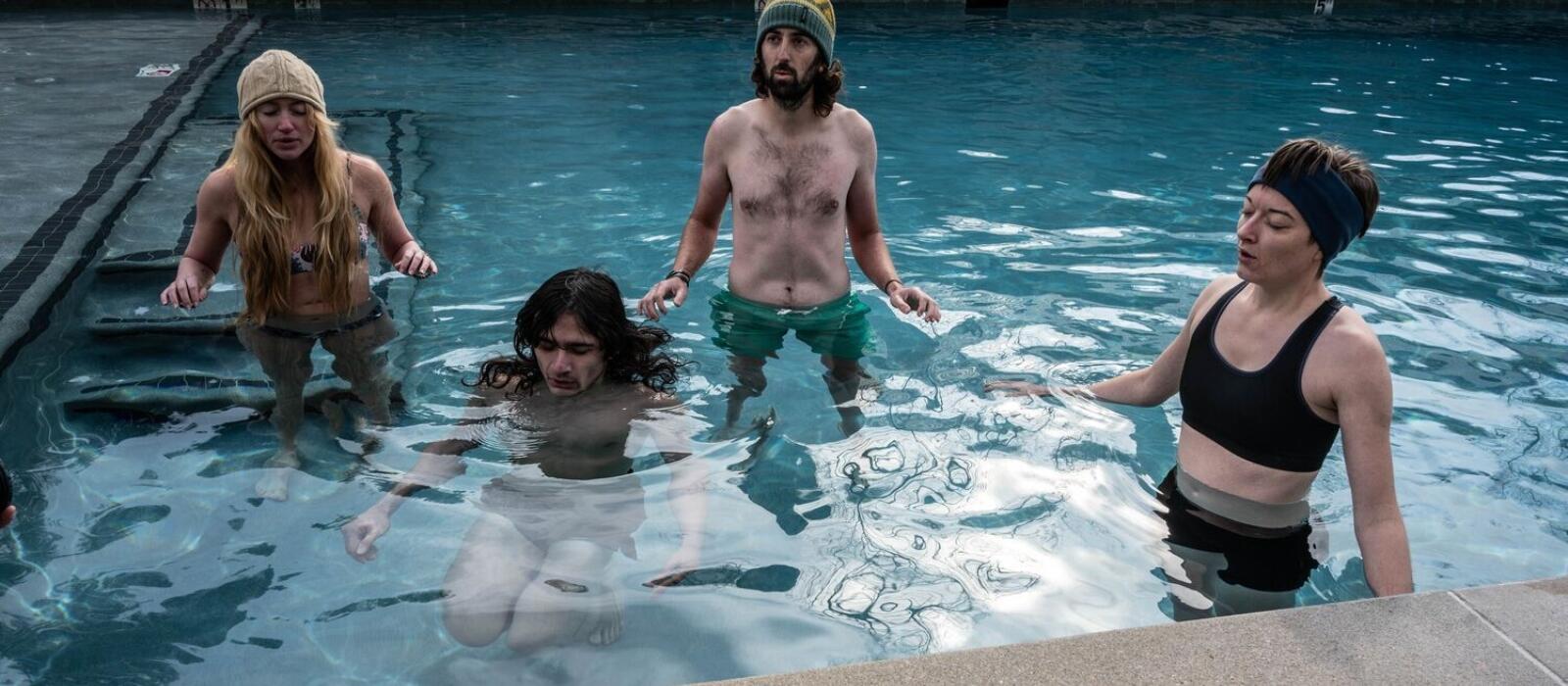
Before every tennis match, superstar Rafael Nadal takes a teeth-chattering shower to help him find what sports psychologists refer to as flow state – a state of alert concentration where his body moves by instinct. According to an ever-growing body of science, this is just one of many ways a douse of cold water can enhance performance. Studies have shown that cold exposure revs our metabolism, reduces inflammation and can help with muscle recovery after a strenuous workout.
Hydropathy, also known as the cold-water cure, dates to the 1820s, when an Austrian farmer started touting the healing powers of cold-water compresses, baths and showers. Fast forward to the early aughts and Dutchman Wim Hof, nicknamed the Iceman for his frozen exploits, started touting cold exposure as a mood booster.
The Wim Hof Method, a combination of cold exposure and breathing techniques, has since been taught to NAVY Seals and mere mortals looking for everything from pain and stress relief. Researchers from major universities have studied Hof and found evidence that his method allows him to control his nervous system, body temperature and immune response as well as release, at will, mood-boosting chemicals, like opiates, that provide natural pain relief and a sensation like a runner’s high.
Generally speaking, heat is used to soothe and quiet the body and cold is used to stimulate the body, explains Christopher Minson, a cardiovascular physiologist at the University of Oregon. Anyone who has soaked in a hot tub or relaxed in a sauna knows how soothing the experience can be. Sitting in an ice bath isn’t as inviting, which is why Meghan Henley, the Wellness Manager at Blackberry Mountain, coaches guests through the cold plunge experience.
“In my opinion, it is mostly mental,” says Meghan, which is why she begins each experience with a breathwork session in the yoga loft. Guests are lead through gentle seated movement and diaphragmatic breathwork before reclining onto their meditation cushion sets. Meghan then offers three rounds of more intense breathing, involving a series of deep inhalations followed by breath retention. “The intention is for them to move into a meditative state fueled by hypnotic voice and gentle tones from the Hapi drum during the retention times,” she explains.
Once the guests are relaxed, they don swimsuits and robes and are driven down the Mountain in a Lexus to the Valley pool that is somewhere between 40 and 50 degrees. At the water’s edge, Meghan coaches them through 15 to 20 more breaths to calm the nervous system. On each exhale, she has them step a bit further into the water. “This tells our nervous system that we are in control and that this is okay,” she says. The guests then walk to either hip or shoulder level, focusing on calming the breath for 60 seconds. “I then ask them if they want to go further and coach them again on an exhalation to submerge further,” says Meghan. After two minutes in the chilly water, they slowly head back to shore where Meghan leads them through a series of movement to naturally warm the body and hands them their robe and a warm cup of homemade ginger tea. Those two minutes aren’t just good for the body, they also have a profound effect on the mind. “It’s pretty amazing how energized it can make you feel the rest of the day,” she says.